
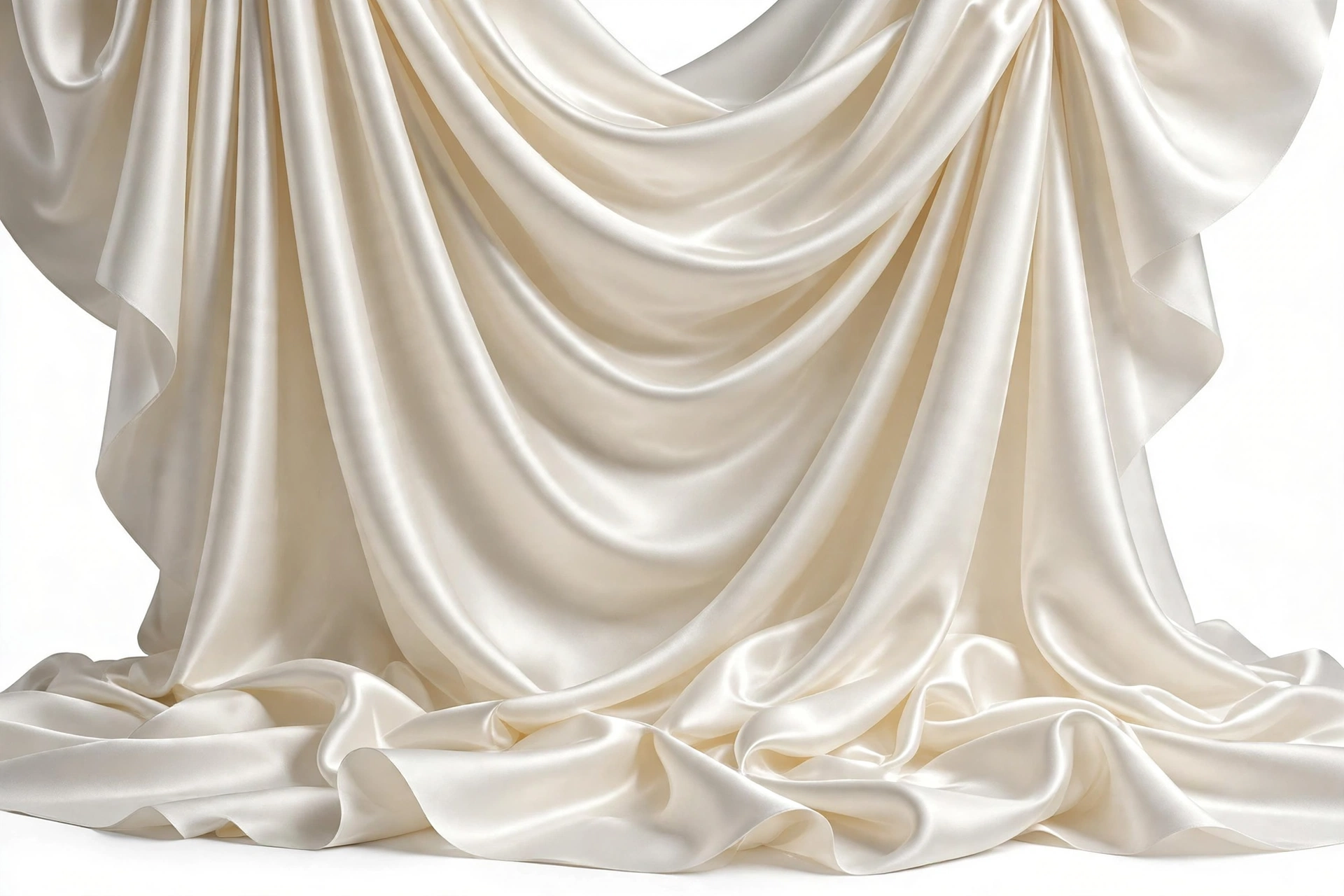
Bridal Satin: The Complete Guide
What is bridal satin?
Bridal satin is a mid-weight polyester satin sold for wedding garments, chosen for its glossy face, body, and modest price. The word “bridal” describes who it is sold to, not how it is woven. That one fact explains almost every confusion shoppers run into with this fabric.
If you are sewing a wedding dress, or choosing between dresses made from it, you need to know what the label hides. Real bridal satin listings range from featherweight 74 GSM cloth to heavy 250 GSM satins. Some are genuine duchess satin. Some are lighter satins borrowing the name. This guide shows you how to tell them apart, pick the right weight for your silhouette, and buy without regret.
What does “bridal satin” actually mean in the fabric trade?
Here is the trade truth: there is no weave called bridal satin. Satin is the weave. Duchess, charmeuse, and crepe-back are specific weave constructions within the satin family. “Bridal satin” is a marketing label that means “a satin we think wedding buyers want.” Most of the time, that means a medium-weight polyester satin with a glossy face and a matte back, sold in whites, ivories, and blushes at a price brides can afford.
That is not a complaint. A label that names the use case helps shoppers find the right aisle. The problem starts when the label pretends to be a specification. Two bolts labeled “bridal satin” from two shops can be completely different fabrics. One Etsy listing sells a 74 GSM lightweight version; another sells a 145 GSM medium-heavy one; a third sells a 250 GSM sturdy cloth, all under the same name. Same words, three different dresses.
So treat “bridal satin” the way you would treat “evening fabric.” It tells you the intention, not the construction. The construction is what you must verify: fiber content, weight, sheen, and stretch. Get those four and you know exactly what you are buying. Miss them and you are buying a name. For where this label sits in the wider family, see the complete guide to satin types.
Is bridal satin the same as duchess satin? The naming trap, resolved
No. Duchess satin is a specific weave; bridal satin is a use-case label. Every duchess satin can honestly be called bridal satin, but most fabric labeled “bridal satin” is not duchess. That is the whole trap in one sentence.
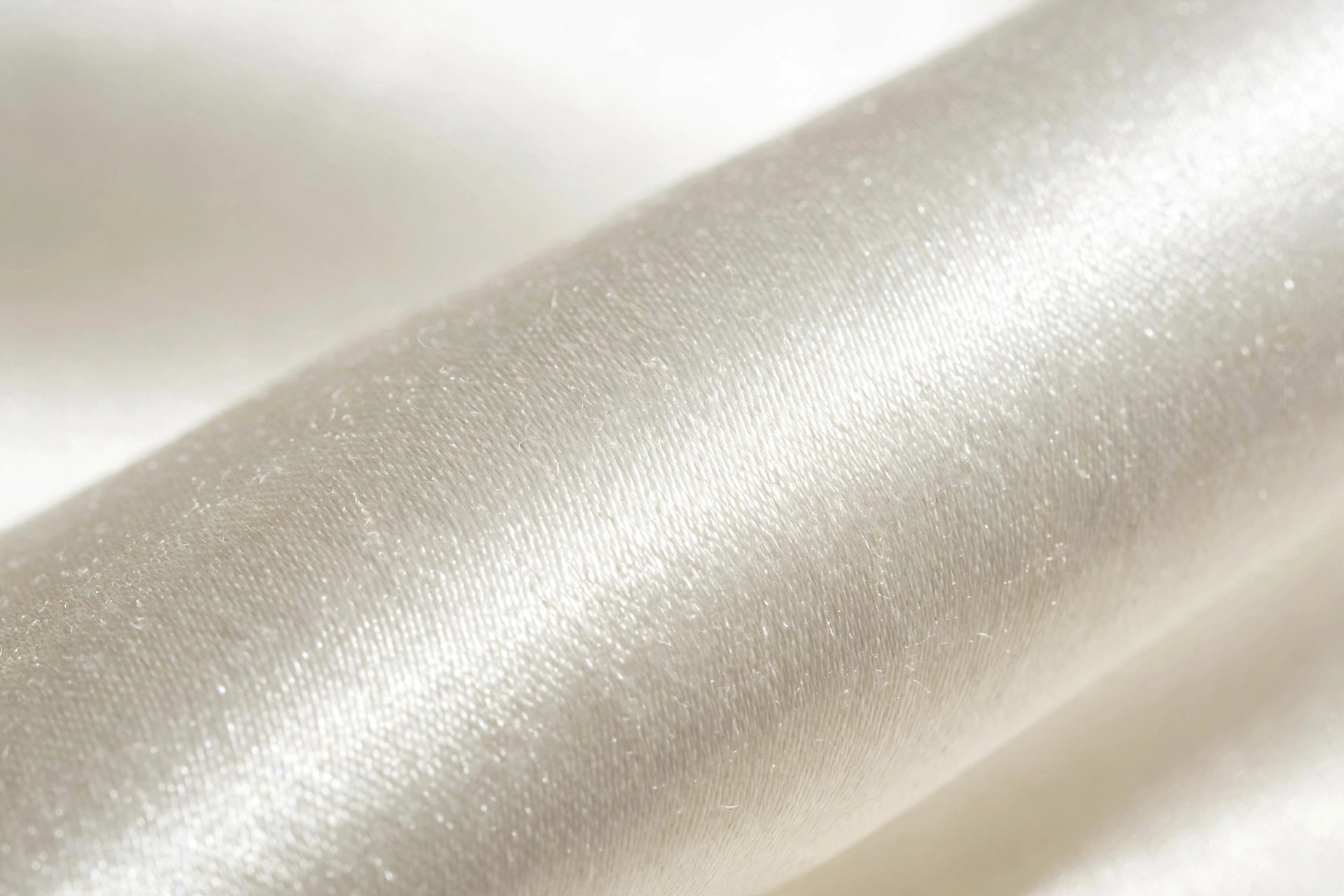
Some sellers make this worse on purpose. You will find listings literally titled “Bridal Satin / Duchess Satin” as if they are synonyms. They are not. Duchess has a technical definition underneath it: very fine yarns, a high thread count, and extended floats, historically seven or more per weave repeat. That construction produces a pearly, low-luster sheen, real body, and near-opacity. Polyester duchess consistently lands around 175 to 215 GSM in retail listings. our duchess satin guide breaks the mechanism down further.
Generic bridal satin has no such definition. The most common difference you will feel: bridal satin is usually shinier and looser. A listing with a wet, mirror-like gloss in the product photo is almost certainly not duchess. A true duchess photo shows soft, pearly highlights. The other difference is consistency. Duchess is one thing; “bridal satin” is a spectrum.
Here is the practical test, and it works every time. If the fiber is unstated, assume polyester. If the weight is unstated, be suspicious; genuine duchess sellers usually state it. Scrunch the swatch and release it. Duchess springs back with faint creasing. Lighter bridal satins crease more and feel thinner in hand. And ask one question that settles it: “Is this duchess construction, or bridal satin in the general sense?” Honest sellers answer straight.
Should you choose silk bridal satin or polyester?
Most “bridal satin” is polyester, and most silk satin for weddings is sold under a different name: silk satin, silk duchesse, or silk charmeuse. But the fiber choice is the biggest decision in this guide, because it changes everything about care, budget, and behavior on the day.
Polyester bridal satin is the workhorse. It runs about $4 to $6 per yard at US fabric shops, shrugs off creases better than any natural fiber, and survives a steamer without drama. It holds a press through a long wedding day and does not panic at light rain. The tradeoffs are a slightly stiffer hand and a sheen that can read a touch synthetic in harsh daylight. For a dress worn once, polyester is the sane choice, not the cheap one.
Silk bridal satin is the couture option. It drapes with a liquid softness polyester cannot copy, breathes on warm skin, and has a sheen that looks lit from within rather than coated on. It costs multiples of polyester, wrinkles easily, spots from water and sweat, and needs dry cleaning. Silk satin at the duchess weight runs lighter too: classic silk duchesse sits around 140 GSM, with more body than its weight suggests.
There is a third option worth knowing: silk-polyester blends. They borrow some of silk’s hand and some of polyester’s forgiveness. If your heart wants silk but your wedding is outdoors in August, a blend deserves a swatch test.
One more fiber note. Acetate satin shows up in vintage and budget bridal lines. It looks gorgeous and wrinkles permanently, so treat it as a different animal. And if a listing calls something “vegan silk” or “silk satin” at polyester prices, read the fiber line twice. Sellers who paid for silk always say so in plain words.
For the silk-versus-polyester mechanics in depth, our silk satin guide covers how the fiber changes every satin type.
How heavy should bridal satin be? A GSM guide by gown silhouette
Weight is the fastest way to predict how a gown behaves. GSM, grams per square meter, is the number that matters, and most bridal satin listings fall somewhere between 74 and 250. Match the band to your silhouette and half your fitting problems disappear.
Lightweight (under ~120 GSM) drapes and clings. This is charmeuse territory: bias-cut slips, flowing sheaths, soft romantic skirts. It will not hold a sculpted bodice or a stand-away skirt, and it will show every seam and bump, so it needs careful lining and a good undergarment. Beautiful for elopement dresses and second looks.
Medium weight (~140 to 190 GSM) is the sweet spot for most DIY bridal projects. It has enough body to hold a gentle A-line and a clean bodice, enough drape to move nicely, and it sews with less fuss than either extreme. If you are unsure which weight to buy, start here. A mermaid or fit-and-flare silhouette works well in this band, especially with a touch of stretch for the seated dinner.
Heavyweight (~190 to 250+ GSM) is the structural end: ball gowns that stand away from the body, sculpted bodices, architectural pleats. This is where true duchess lives. The fabric holds its own shape, stays opaque without heavy lining, and supports beading and boning. The price is literal weight; a full ball gown skirt in heavy satin is tiring to wear, and it sews like upholstery at the seams.
A quick framing: weight is destiny for silhouettes. A ball gown cut in lightweight satin collapses into a limp puddle. A slip dress cut in heavy satin looks like a tent. Neither is the fabric’s fault. Match the band to the design before you fall in love with a color.
What should you ask at a fabric store before buying bridal satin?
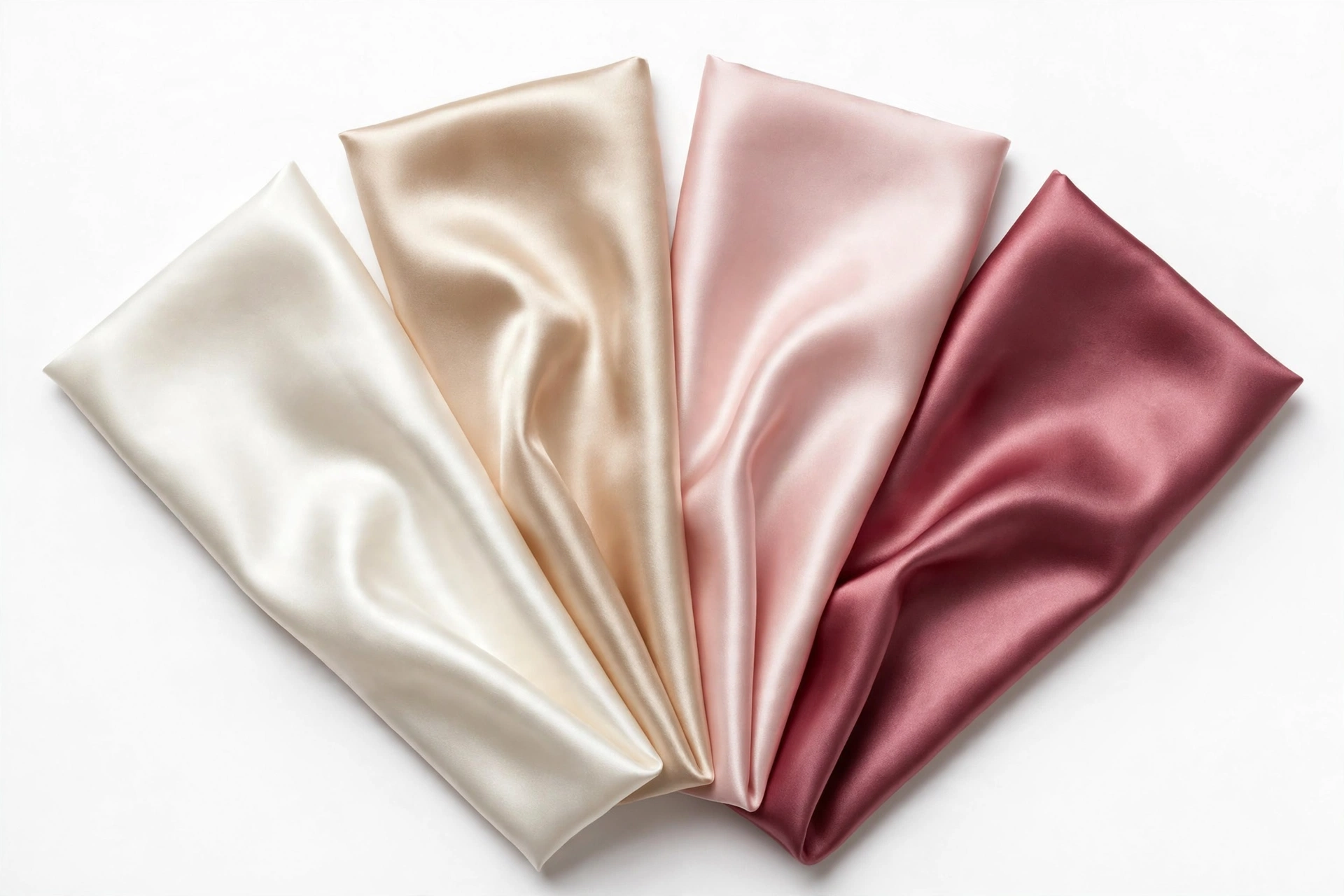
Walk in with this checklist and you will out-shop ninety percent of buyers. Ask for the fiber content first and accept nothing vaguer than a percentage. Ask the weight in GSM; if the seller does not know it, that is information too. Ask whether it is genuine duchess construction or general bridal satin, because the answer changes the price you should pay.
Then do the physical tests. Drape the fabric over your forearm and let it fall: slow, rounded folds mean body; flutter and collapse mean a lighter cloth than the listing implied. Scrunch a corner hard and release it. Minimal creasing means a forgiving dress day; sharp lines mean you will be steaming at the venue. Hold it to the light, because wedding dresses have a bad habit of going translucent under flash photography.
Buy a swatch and live with it for a day. Wash a corner the way you will clean the finished gown. Press it the way your seamstress will. Check dye lot matching if you need more than one bolt; whites and ivories drift between batches, and a bodice from lot A with a skirt from lot B will haunt your photos. Finally, confirm the width and yardage. A ball gown can eat 8 to 10 yards at 60 inches wide. Bridal satin is cheap per yard, but ten yards of the wrong weight is not cheap at all.
What are the most common bridal satin buying mistakes?
The first mistake is buying the shine instead of the structure. A mirror-gloss satin photographs like liquid silver in the shop and wrinkles like tissue on the day. If your design needs body, a calmer sheen almost always serves you better.
The second is skipping the swatch. Screens lie about color, weight, and sheen. Ivory on your phone and ivory in the bolt are frequently strangers. A swatch costs almost nothing and answers everything.
The third is ignoring the back side. Some bridal satins have a crepe-textured reverse, which is fine until you line a bodice and the texture shows through a thin lining. Flip every candidate over and check.
The fourth is assuming all whites match. “White” is a family, not a color: optic white, silk white, diamond white, winter white. Your veil, your shoes, and your dress came from different factories. Compare them together in daylight, because warm and cool whites side by side look like a mistake in photos.
The fifth is sewing bridal satin like quilting cotton. It slips, it shows every pinhole, and the sheen flips direction if you cut pieces upside down. Nap layout matters here. Cut in a single layer with all pieces facing the same way, pin inside the seam allowance only, and use a walking foot or tissue paper underneath. Our full technique guide lives at how to sew satin.
How do you sew and press bridal satin for a wedding garment?
Bridal satin punishes hurry. The weave’s long floats shift under a standard presser foot. A walking foot feeds both layers together and fixes most of it. Tissue paper under the seam is the low-tech version that works almost as well. Cut with a rotary cutter on a single layer when you can; scissors lift and shift the plies.
Needle and stitch matter more than people expect. Use a fresh sharp needle, size 60/8 or 70/10 for lightweights, 80/12 for heavyweights, and a slightly longer stitch length, around 3 mm, so the needle does not perforate the fabric into a tear line. If the machine chews the start of a seam, hold both thread tails for the first few stitches.
Pressing is where wedding dresses are won or lost. Always press from the wrong side, always with a press cloth, on the lowest heat that works. Satin shines permanently if the iron touches the glossy face directly. Steam from a few inches away, never letting the steamer head touch the fabric, and use distilled water; mineral spots on white satin are forever. Silk versions spot even more easily, so steam around the gown rather than at it, and let everything cool and dry before moving it.
Linings deserve a word too. Bridal satin loves a good understructure: a corset or bustier in the bodice, a proper petticoat for full skirts, and smooth charmeuse bridal undergarments so nothing shows through. Lingerie is not an afterthought in bridal sewing; it is half the silhouette. Build the foundation first and the satin behaves.
Bridal satin vs duchess satin vs charmeuse: which one for your wedding?
These three get confused constantly because all of them sell under the “bridal” umbrella. They are different fabrics with different personalities, and the right one depends entirely on what the design asks the fabric to do.
| Bridal satin (general label) | Duchess satin | Charmeuse | |
|---|---|---|---|
| What it is | Use-case label, usually mid-weight polyester satin | Specific heavy weave, fine yarns, extended floats | Light fluid satin weave |
| Typical weight | 74 to 250 GSM, inconsistent | 175 to 215 GSM polyester, ~140 GSM silk | Under ~140 GSM |
| Sheen | Often high gloss | Pearly, low luster | Liquid mirror shine |
| Structure | Medium body, varies | Holds sculpted shape | Clings, follows the body |
| Wrinkle behavior | Middling | Resists well | Creases fast |
| Opacity | Usually opaque | Nearly opaque | Often needs lining |
| Best wedding use | Budget gowns, bridesmaid dresses, decor | Ball gowns, structured bodices, corsetry | Slip dresses, lingerie, draped details |
| Sewing difficulty | Moderate | Moderate, hates pinholes | Hardest, slips constantly |
My honest read: buy duchess for architecture, charmeuse for movement, and general bridal satin when the budget needs mercy and the design is simple. And when a design mixes all three, a structured duchess bodice, a bridal satin skirt, charmeuse lining, check that the whites match across all three bolts before you cut a single piece. For color inspiration from the dress side, the champagne satin dress guide shows how tone changes everything.
Frequently Asked Questions
Is bridal satin real satin?
Yes. Bridal satin is woven in the satin weave, the same weave family as charmeuse and duchess. “Bridal” describes the market it is sold to, not a different weave. Most of it is polyester, which is why it is affordable, and polyester satin is still genuinely satin by construction.
What is the difference between bridal satin and duchess satin?
Duchess satin is a specific heavy weave with fine yarns and extended floats, giving a pearly sheen and real structure. Bridal satin is a loose retail label for any satin sold for weddings. Some bridal satin is genuine duchess; much of it is lighter and shinier. Check the weight and sheen rather than trusting the name.
Is bridal satin polyester or silk?
Almost always polyester. The retail category called “bridal satin” is overwhelmingly a mid-weight polyester satin, which keeps the price around a few dollars per yard. Silk satins for weddings are usually sold as silk satin, silk duchesse, or silk charmeuse instead. If the fiber is not stated on the listing, assume polyester.
How much does bridal satin cost per yard?
Polyester bridal satin typically runs $4 to $6 per yard at US fabric retailers, based on current listings from shops like The Fabric Market and SAS Fabrics. Heavier or specialty versions cost more. Silk bridal satins cost many times that and are sold under silk-specific names. Always price the full project; a ball gown can need 8 to 10 yards.
What weight of satin is best for a wedding dress?
Match the weight to the silhouette. Lightweight satin under about 120 GSM suits flowing slip dresses. Medium weight, 140 to 190 GSM, handles most A-line and fitted gowns. Heavyweight, 190 GSM and up, supports ball gowns and sculpted bodices. When in doubt, medium weight is the safest starting point for a first bridal project.
Does bridal satin wrinkle easily?
Polyester bridal satin resists wrinkles better than silk versions or lightweight charmeuse, but it is not wrinkle-proof. Heavyweight satins spring back from creases well; lighter ones crease more. Steam from a few inches away with distilled water, never press the glossy face directly, and hang the finished gown so gravity does the last of the work.
Can you wash a bridal satin wedding dress?
Polyester bridal satin is technically washable, but a finished wedding gown should go to a professional bridal cleaner. Beading, boning, layered linings, and mixed fabrics make home washing risky. Clean the gown within a few weeks of the wedding; invisible stains like sugar and sweat oxidize yellow over time.
Is bridal satin good for bridesmaid dresses?
Yes, it is one of the most common choices, mostly for the price. A bridesmaid lineup in bridal satin looks cohesive and photographs well. Buy all dresses or all fabric from the same dye lot, because whites, ivories, and blushes drift between batches.