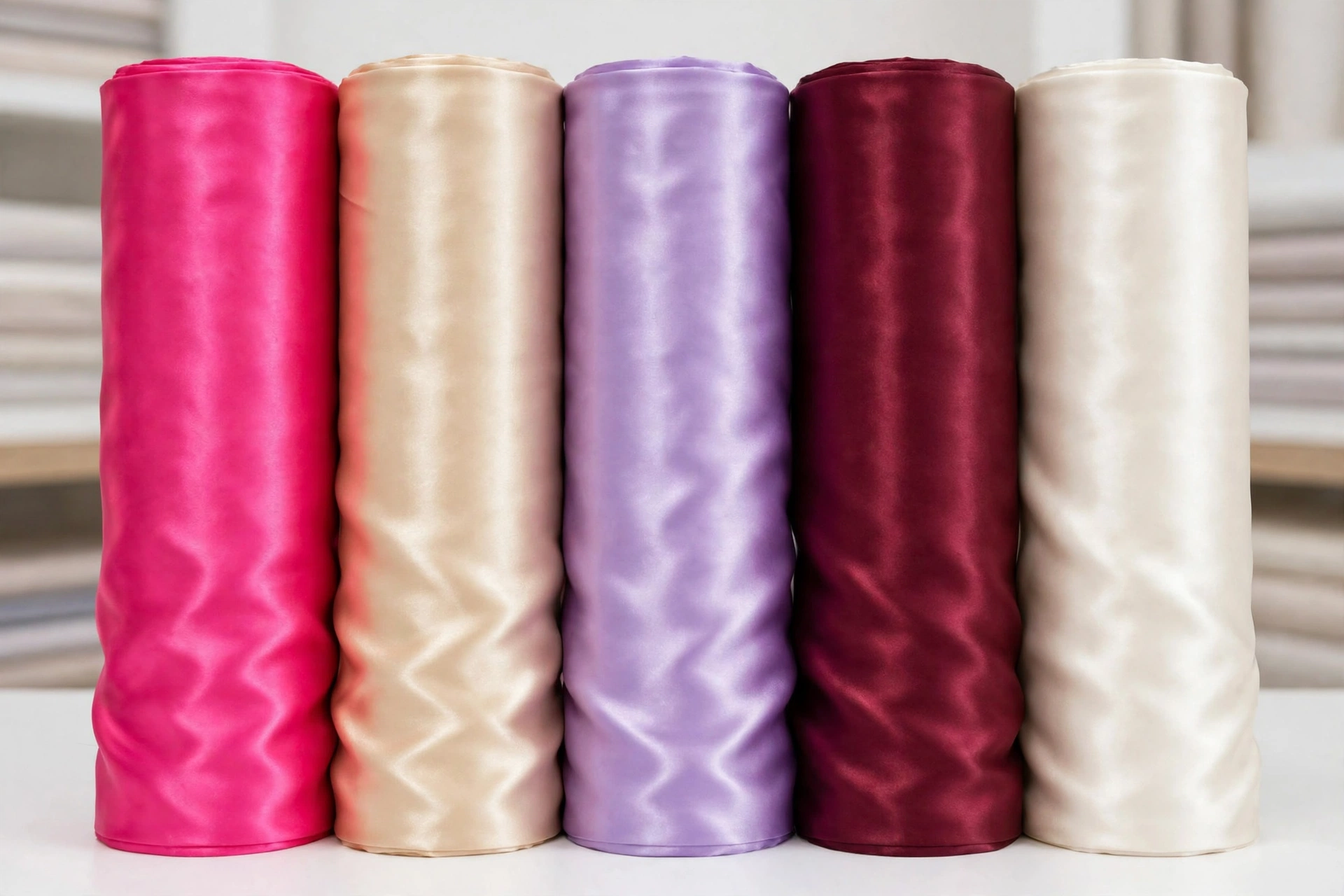
Types of Satin: The Complete Guide
Walk into any fabric store and the names hit you like a wall: charmeuse, duchess, crepe-back, peau de soie, l’amour, baronet. They sound like different fabrics. They are not. Every one of them is the same weave family, tuned by fiber, weight, and finish into a different character.
This guide covers each major type: its structure, fibers, hand-feel, best uses, and common confusions. The centerpiece is a comparison matrix no consumer site has published before: every major type mapped against fiber, weight, drape, shine, uses, and buying traps.
how the satin weave actually works
What are the different types of satin?
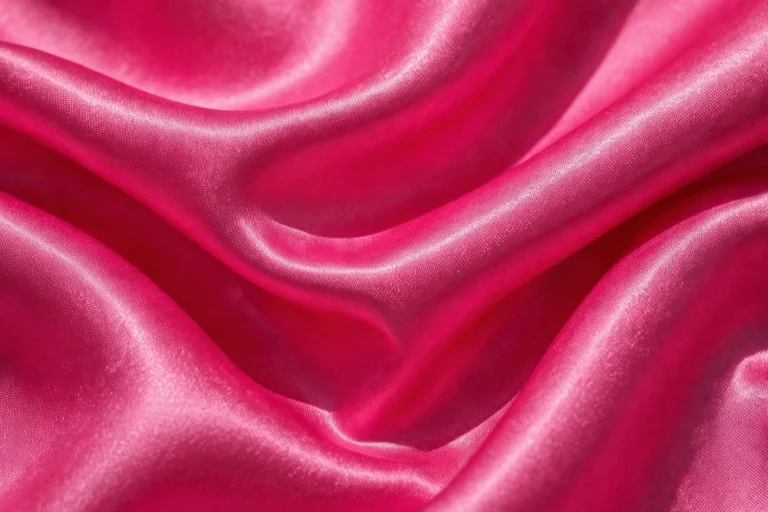
Satin names a weave, not a fabric. Charmeuse is the lightest and most fluid member of the family; duchess is the heavyweight, dense and structured; crepe-back satin gives you two faces in one cloth. The trade name tells you the character. The fiber content on the label tells you the truth, because almost every type comes in both silk and polyester versions that behave very differently. The matrix below answers both questions at once.
The master matrix: every major satin type at a glance
| Type | Typical fibers | Weight feel | Drape | Shine level | Best uses | Watch out for |
|---|---|---|---|---|---|---|
| Charmeuse | Silk, poly, rayon, blends | Light (silk 16-19 momme; poly ~90-95 GSM) | Liquid, fluid | High gloss face, matte back | Slip dresses, lingerie, blouses, bias eveningwear | Slippery to sew; poly version puckers at seams |
| Duchess satin | Orig. silk; now mostly poly | Heavy (poly remnant ~169 GSM) | Stiff, sculptural | Deep structured gloss | Wedding gowns, ball skirts, structured eveningwear | “Duchess” used loosely for any heavy poly satin |
| Crepe-back satin | Silk, poly, rayon | Medium (silk ~185 GSM) | Body with flow | Satin face, matte crepe reverse | Reversible garments, bridal, eveningwear | Confirm which face the pattern uses |
| Satin-backed crepe | Mostly poly | Midweight (poly ~209 GSM) | Fluid, opaque | Matte crepe face, dull satin back | Blouses, slip dresses, bias skirts | Constantly confused with crepe-back satin |
| Peau de soie | Silk, manufactured fibers | Medium | Moderately stiff | Soft, low-key luster | Bridal, bridesmaids | Sellers mislabel matte poly as peau de soie |
| Delustered / l’amour | Mostly poly | Medium-heavy | Heavy fall | Low sheen by design | Foundation under lace, modest bridal | Name chaos: also sold as “dull duchess,” “Audrey” |
| Double-faced satin | Silk, poly, rayon | Light-medium | Depends on fiber | Glossy both sides | Ribbons, sashes, reversible trim | Pricier; overkill where the back never shows |
| Stretch satin | Poly/spandex, silk/spandex | Medium (poly/spandex ~195 GSM) | Fitted, gives | High gloss | Mermaid gowns, dancewear | Wash cold; heat kills the stretch |
| Slipper satin | Various | Sturdy, tight weave | Firm | Medium gloss | Upholstery, structured garments, shoes | Thin modern specs; check before buying |
| Antique satin | Silk, poly | Midweight | Soft structure | Aged, muted | Drapery, historical costume | Slub texture is the point, not a defect |
| Messaline | Silk | Very light, thinner than charmeuse | Feathery | Soft gloss | Linings, scarves | Rare in modern retail |
| Baronet | Trad. cotton back, rayon/silk face | Heavy | Firm, full | Medium gloss | Vintage suiting, structured pieces | Vintage term; verify fiber content today |
| Bridal satin | Mostly poly | Heavy (sold by oz/yd) | Holds shape | Matte or glossy | Wedding gowns, structured formalwear | Generic name; quality varies by seller |
| Polysatin | Polyester | Light-medium | Fluid to papery | Bright, sometimes mirror-like | Tablecloths, backdrops, sashes, crafts | Can look cheap in apparel; static |
What is charmeuse?
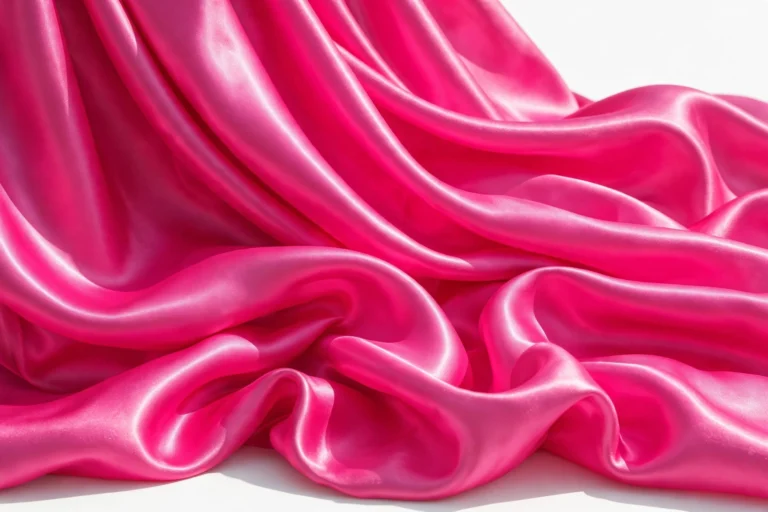
Charmeuse is the lightest, most fluid satin, woven with a higher float ratio than standard satin. It comes in silk, polyester, rayon, and blends. Silk charmeuse typically runs 16 to 19 momme (about 68 to 82 GSM); polyester versions sit around 90 to 95 GSM. It has a high-gloss face and a dull matte back, and it is the classic slip-dress and lingerie fabric.
At the sewing machine, handle it with respect. Charmeuse is widely considered the hardest satin to sew: it slides under the presser foot, so sewists sandwich it in tissue paper. Use fine sharp pins (they leave visible holes), a 10/70 needle, and short stitches. The polyester version puckers at seams and frays as you cut.
sewing slippery satin without puckering
What is duchess satin?
Duchess satin is the heavyweight of the family: dense, stiff, with a deep structured gloss. It was born in France as a silk fabric woven from fine threads at very high density, with at least seven yarns floating between tie-downs. Today the name on a retail bolt almost always means polyester. A measured poly remnant came in around 169 GSM.
Duchess built royal wedding gowns (Sarah Ferguson 1986, Queen Silvia 1976) and still rules structured bridal. The weight is the point: it holds a sculptural silhouette instead of collapsing. At the machine it is thick and cut edges roll, so interface pieces that need stability. One veteran sewing writer called its hem “pretty much impossible to make invisible.” Dry cleaning is the safe choice.
how to care for heavy satin fabrics
What is crepe-back satin?
Crepe-back satin is two fabrics in one cloth: a satin face and a matte creped reverse. The shine comes from low-twist filament warp yarns lying smooth; the texture comes from high-twist crepe filling yarns. Silk versions run about 185 GSM and 0.45mm thick. Dharma Trading calls its 19.5 momme silk version the “Rolls Royce of silks.”
It is also the friendliest satin at the sewing machine. Use a press cloth and a silk or low iron setting around 300F (148C). Clip or weigh the pattern pieces instead of pinning, lay tissue paper between fabric layers while cutting, use a sharp 10/70 needle with short stitches, and overlock raw edges. One caution: silk crepe-back shrinks about 5% in length and 4% in width, so buy extra yardage.
What is satin-backed crepe, and how is it different from crepe-back satin?
Satin-backed crepe is the mirror image of crepe-back satin. Crepe-back satin shows the satin face; satin-backed crepe shows the matte crepe face, with de-lustered satin on the reverse. A midweight polyester version runs about 209 GSM: opaque, fluid, made for blouses, slip dresses, and bias skirts.
Retailers mix the two names up constantly, sometimes on the same product page. The fix is simple: ask or check which face is meant to show. If you want shine outward, you want crepe-back. If you want matte outward with a smooth reverse against the skin, you want satin-backed.
What is peau de soie?
Peau de soie means “skin of silk.” It is a satin with a fine grain and a soft, low-key luster rather than mirror shine, and a moderately stiff drape. It comes in silk and manufactured fibers and is a bridal and bridesmaid staple, chosen when the look should whisper instead of shout.
Watch the name in online listings. Some sellers label matte polyester “l’amour satin” as “(peau de soie),” selling two different goods under one name. Real peau de soie shows a fine, even grain and a restrained glow. When a listing stacks both names, read the fiber content and trust that over the poetry.
What is delustered (l’amour) satin?
Delustered satin, sold as “l’amour,” “Audrey,” “dull satin,” or “dull duchess,” is satin manufactured to a low sheen. Bridal designers prize it as a foundation under lace: one textile house notes it has the strength to support even heavy beaded lace and falls with real weight. The matte surface lets the lace do the talking.
Buy it for the matte look on purpose, not as a cheaper substitute for something else. The name chaos is the only real trap: “l’amour,” “dull duchess,” and “Audrey” can all describe the same bolt.
What is double-faced satin?
Double-faced satin is glossy on both sides, made with a doubled construction instead of one shiny face and one dull back. It is the standard for ribbons, sashes, and reversible trim: anywhere the reverse will show. A normal satin sash betrays itself the moment it twists and flashes its dull back.
It costs more, so reserve it for jobs where both sides show. For linings, single-faced satin does the same work for less.
What is stretch satin?
Stretch satin adds spandex to the satin structure, usually with two-way stretch. A common polyester/spandex version runs about 195 GSM; a silk/spandex version around 28 momme (120 GSM). It sews like a knit-satin hybrid and suits fitted mermaid gowns and dancewear.
Wash cold and gentle, hang to dry, keep the iron low. Heat kills spandex, and dead stretch in a fitted gown shows immediately.
What about the rare and vintage satins?
The names you will meet in vintage listings, deadstock shops, and old sewing books:
- Slipper satin: tightly woven and sturdy. It dressed evening shoes a century ago; today it covers upholstery and firm structured garments. Modern specs are thin, so confirm weight before buying.
- Antique satin: slub (thick-and-thin) filling yarns give it an aged, dupioni-like texture. Made for drapery and historical costume. The texture is the point, not a defect.
- Messaline: a lightweight silk satin, thinner than charmeuse. Classic for linings and scarves. Rare in modern retail; usually vintage or deadstock.
- Baronet (baronette): a vintage heavy satin, traditionally a cotton back with a rayon or silk face: weight and body at lower cost than silk. Vintage term; verify fiber content on modern listings.
- Cuttanee: a heavier, coarser satin with a firm hand. Found in vintage-textile references only.
- Bridal satin: a generic heavyweight polyester warp-faced satin, matte or glossy, that holds its shape. Sold by the ounce per linear yard (commonly 6 to 9 oz). Dry clean or cold delicate wash. Quality varies by seller, so order a swatch.
- Polysatin: plain polyester satin, the workhorse of event decor: tablecloths, backdrops, sashes. Wrinkle-resistant and machine-washable. For tablecloths, buy polysatin and never look back. For apparel, it can read cheap.
- Embossed satin: a 3D pattern pressed in with engraved heated rollers. Durable with minimum care needs.
- Printed satin: usually digital print on charmeuse around 16 to 19 momme. Vivid color with a softer hand than plain charmeuse.
- Jacquard / damask satin: a satin ground with a woven jacquard figure. Lighter versions go by the name ticking satin.
- Lining and upholstery satin: weight-defined trade categories, not distinct weaves. Lining satin is lightweight; upholstery satin is heavier. Ribbon satin means double-faced construction.
What looks like satin but isn’t?
- Surah looks satiny but weaves as a twill. Spot a diagonal line in the structure and you are not looking at satin.
- Faille is a ribbed plain weave. The ribbed family runs taffeta to grosgrain as ribs grow. Glossy, yes, but a rib is not a satin float.
- A “satin finish” is not always a satin weave. Calendering, pressing fabric between hot rollers, irons a temporary shine onto plain weaves. It washes out unless the finish is resin-set. The weave is permanent; the finish is a rental.
- “Duchess” used loosely. Retailers label any heavy polyester satin “duchess.” Check weight and density, not the name.
- Panama satin. We could not verify this term in current trade. Treat such listings with skepticism.
- Hammered satin. The term appears in passing mentions only; no solid profile exists. If a seller uses it, ask what they mean.
- Liquid satin. A retailer marketing term for very fluid thin polyester satin, not a technical category.
Which satin should you buy?
- Structured bridal gown that holds its silhouette: duchess satin.
- Foundation under lace: delustered / l’amour satin.
- Flowing slip dress or lingerie: charmeuse. Silk for luxury, polyester for budget.
- Blouse you can actually sew: crepe-back satin, the easiest of the family at the machine.
- Lining: messaline, lightweight charmeuse, or a poly lining satin.
- Sash or ribbon: double-faced satin, so the reverse never betrays you.
- Fitted dancewear or mermaid gown: stretch satin.
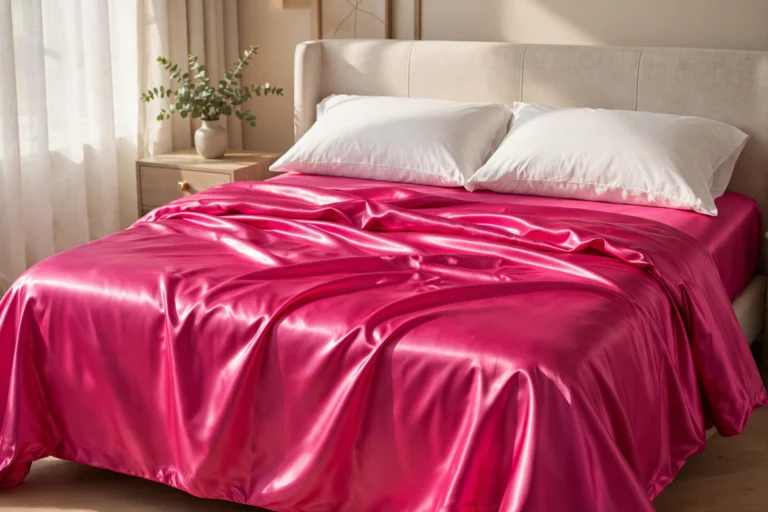
- Pillowcase or bedding: charmeuse in silk or poly (cotton sateen if you want a cotton fiber).
- Drapery or upholstery: antique or slipper satin in heavier weights.
- Event decor on a budget: polysatin. Wrinkle-resistant, washable, cheap.
silk satin vs polyester satin, the honest comparison
Frequently asked questions
What is the difference between charmeuse and satin?
Charmeuse is a type of satin, not a rival to it. All charmeuse uses the satin weave; the word “satin” on a bolt usually means a heavier, less fluid construction. Think of satin as the family name and charmeuse as one member.
What is the difference between crepe back satin and charmeuse?
Crepe-back satin is reversible with a matte crepe reverse; charmeuse has a dull flat back. Crepe-back has more body; charmeuse drapes like liquid. Crepe-back is the easier of the two to sew.
Is duchess satin real silk?
Historically, yes. Duchess was born as a French silk fabric. Today the name on a retail bolt almost always means polyester. If you want silk duchess, expect bridal-atelier prices and ask for the fiber content in writing.
What is the shiniest type of satin?
Silk charmeuse and high-harness bridal satins show the deepest luster: long floats plus smooth filament yarns reflect light most cleanly. Polyester charmeuse can look even more mirror-like, though the slick hand gives it away.
What type of satin is best for wedding dresses?
Match the type to the silhouette. Duchess for structured gowns that hold their shape; charmeuse or crepe-back for flowing bias-cut gowns; delustered l’amour as a foundation under lace. The silhouette decides, not the price tag.
Is l’amour satin the same as peau de soie?
Not reliably. Some sellers use the names interchangeably for matte polyester satin, but true peau de soie is a fine-grained, low-luster satin with its own character. When a listing says both, read the fiber content and trust that over the name.
Why trust this guide? Written from textile references and trade sources, not rewritten from competing pages. Where trade usage is loose or a term could not be verified, it says so. Corrections welcome: they make the guide better for everyone.