Slipper Satin: The Complete Guide
What exactly is slipper satin?
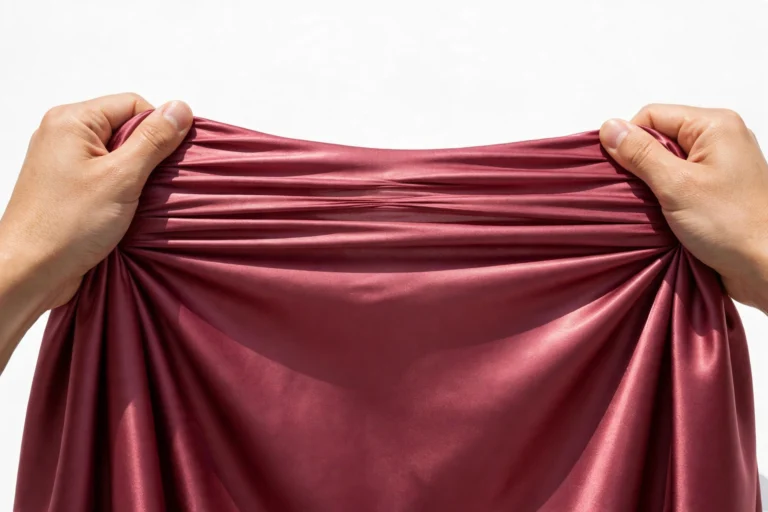
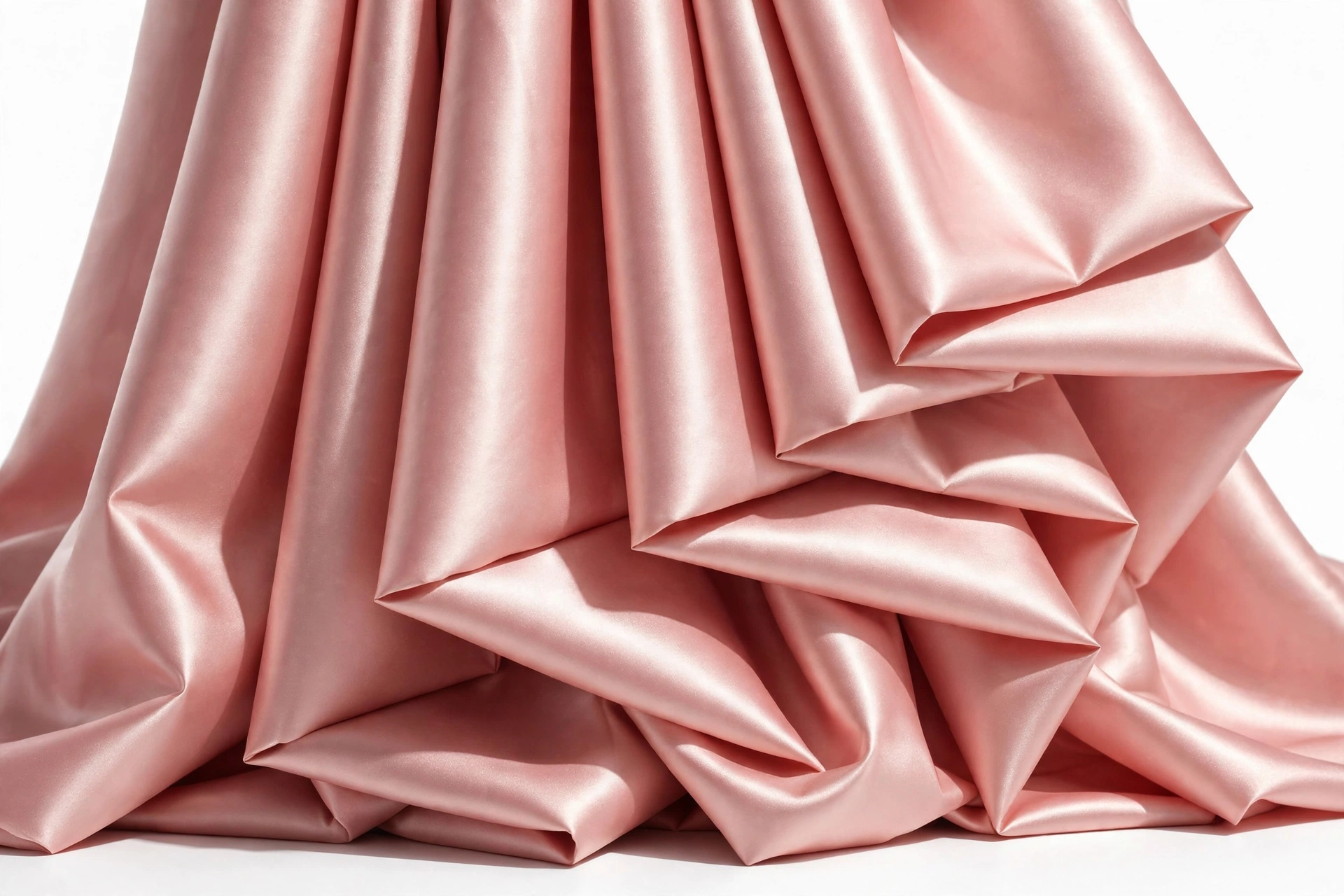
Slipper satin is the firm, structured member of the satin family: a medium to heavy-weight satin with a tight weave, crisp hand, and high luster, first developed for women’s formal shoes that could be dyed to match evening gowns. It uses the same warp-faced satin weave as every other satin, but woven tighter, from heavier yarns, so it holds its shape instead of pouring. If you have ever sat at a wedding table covered in a glossy “satin” tablecloth, you have already touched slipper satin: most event linens sold today are polyester slipper satin. For most readers, slipper satin is not a discovery. It is a reunion.
Like every satin, “slipper” describes the type, not the fiber. It can be woven from silk, polyester, nylon, or blends, and the fiber changes the price, the care, and the hand more than the weave does.
Why is it called slipper satin?
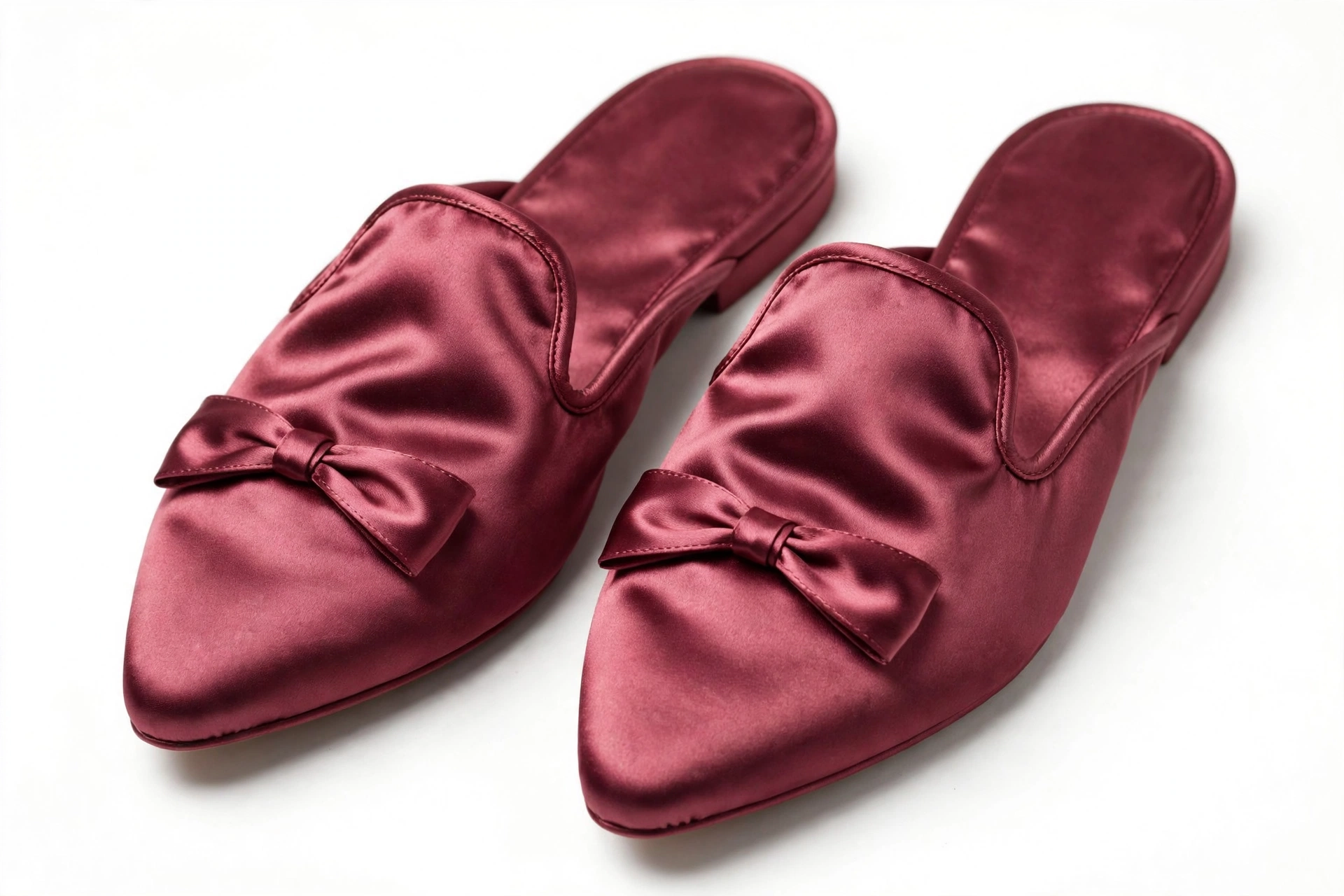
The story starts with shoes, not gowns. In the late 19th and early 20th centuries, mills produced this fabric specifically for elegant women’s footwear, the dress slippers of formal occasions. Fabric histories point to manufacturers like William Skinner and Sons in Massachusetts, which sold a slipper satin with a silk face and cotton back, designed so shoemakers could dye it any color to match a customer’s gown. The back got plain-weave cotton because nobody saw it and cotton added cheap stability.
The ballet connection runs through the same logic. Pointe shoes are covered in satin because the smooth face lets dancers glide and turn with less friction, and the sheen catches stage light: a hardworking cousin of slipper satin, built for shape, not flowing. There is even a cultural echo in paint shops. Farrow & Ball sells an off-white called Slipper Satin, named for the pale silk on traditional ballet slippers.
Synthetics rewrote the story in the 20th century. Polyester made slipper satin cheap, durable, and machine washable, opening up the applications that now dominate: event tablecloths, chair covers, sashes, and drapery. The name stayed long after the shoes stopped being the main buyer.
How is slipper satin woven, and why does it feel so different?
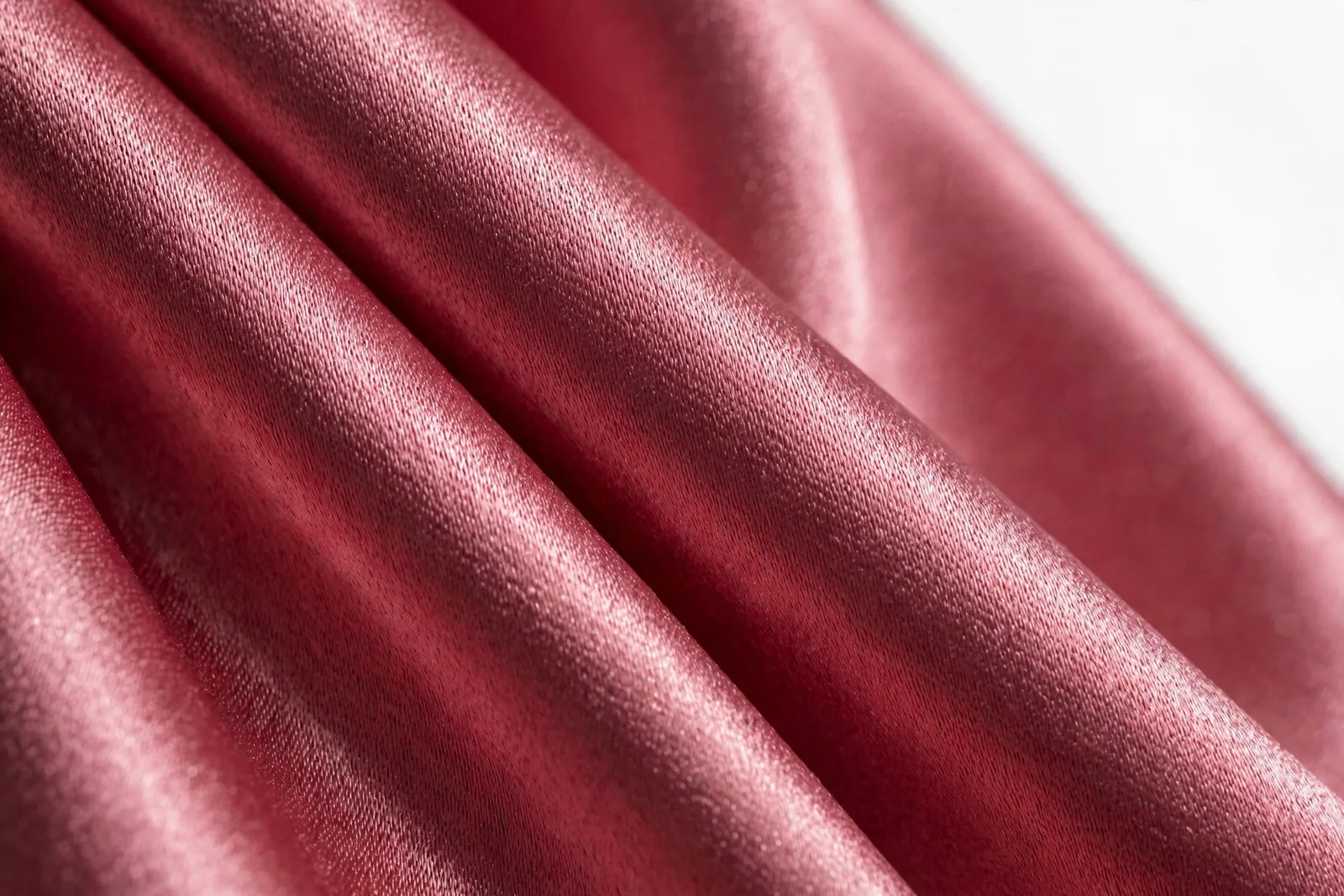
Every satin gets its shine from the same trick. In a warp-faced satin weave, warp threads float over four or more weft threads before dipping under one, so most of the visible surface is long, uninterrupted yarn. Light bounces off those floats in one direction instead of scattering, and the eye reads that as gloss. The full mechanics are in our satin weave guide.
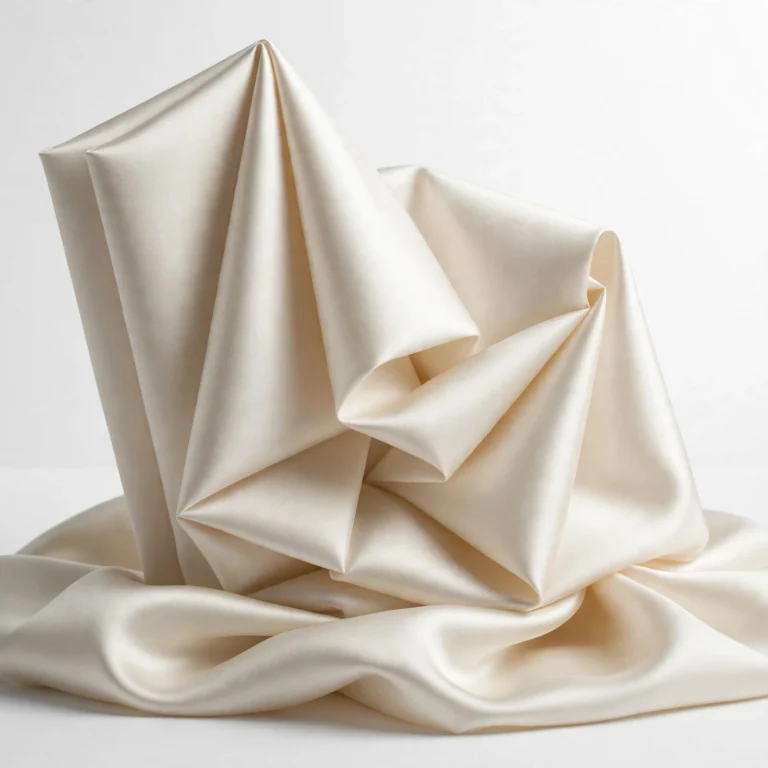
Slipper satin works that weave harder. Thread count goes up, yarns get thicker, and loom tension runs tighter, packing the floats close instead of letting them lie free. The fabric forms structured folds instead of ripples, springs back from creases better than lighter satins, and resists the sliding that makes charmeuse miserable under a sewing machine. The trade is real too: it will never pour or cling like a lightweight satin, and a garment cut for fluidity will fight you if you make it in this cloth.
What weight is slipper satin?
Slipper satin sits in the medium to heavy band of the satin spectrum, roughly 120 to 210-plus GSM, the same neighborhood as duchess satin and well above a light charmeuse at 70 to 110 GSM. Retailers rarely print the GSM, so judge with your hands: substantial, falling in deliberate folds.
A good mental model: charmeuse is cut for movement, duchess for architecture, and slipper satin for work. It carries its gloss into places where beauty has to survive handling, which is exactly why it ended up on shoes and rental tablecloths rather than bias-cut gowns.
Which fibers does slipper satin come in, and how do they change it?
Silk slipper satin. The original. A silk face gives the deepest, most natural luster, and the fiber breathes, so shoes and garments stay comfortable against skin. Historical versions paired a silk face with a cotton back for stability and lower cost. Expect dry clean only, water spot sensitivity, and the highest prices, roughly $30 to $80 or more per yard at retail. Buy it for heirlooms or when the hand against skin justifies the fuss.
Polyester slipper satin, often sold as “polysatin.” The modern default and by far the most common version. It mimics silk’s look at a fraction of the price, resists wrinkles, survives repeated washing, and dyes evenly in any color a wedding planner can name. Reported retail runs about $3 to $8 per yard, which is why event companies can own hundreds of tablecloths. The trade: it traps heat and experienced eyes can tell it from silk. For table linens, chair covers, and anything washed weekly, polyester is not the compromise. It is the correct answer.
Nylon slipper satin. Stronger and slightly stretchier than polyester with good recovery, but it builds static and softens at lower iron temperatures. Pick it for accessories that take abuse, not for anything meeting a hot dryer.
Blends. Silk-polyester blends split the difference between luxury and practicality. Silk-acetate adds drape and luster at a lower price, though acetate is fragile and usually needs dry cleaning. Cotton-backed versions keep the beauty on the face and the cost underneath.
The fiber, not the weave, sets your care routine.
What does slipper satin feel like, and how do you test it in a store?
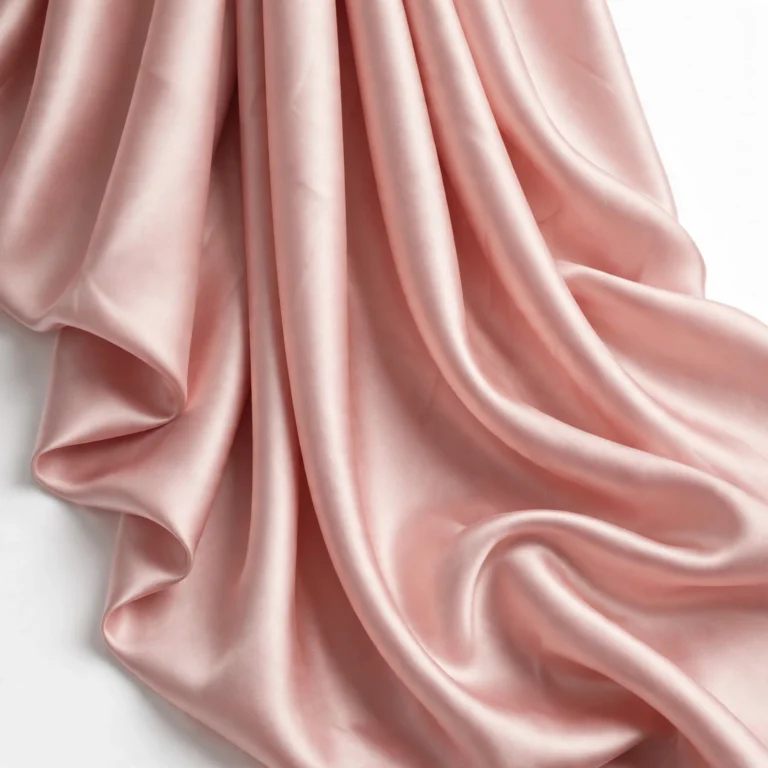
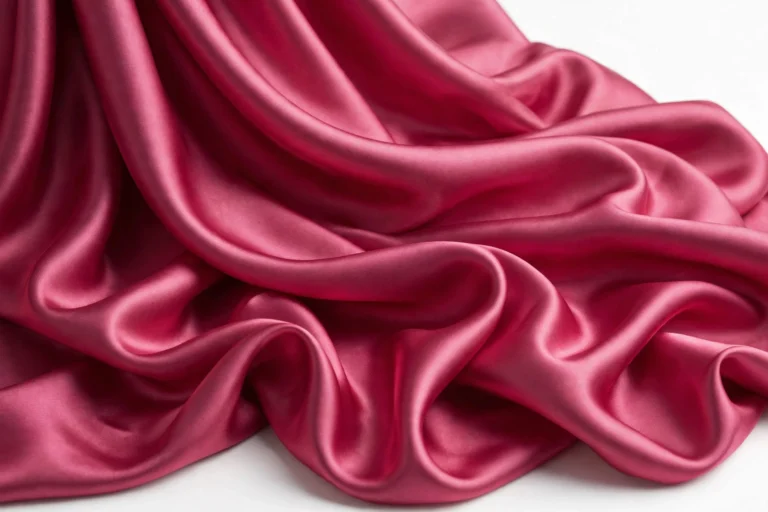
In the hand it is smooth and crisp, substantial without being board-stiff. The gloss face has a refined glow rather than a mirror glare, and the back is noticeably duller, a quick way to tell it apart from double-faced satins.
Three tests work at the store. The scrunch test: crush a handful and let go. Good slipper satin springs back with minimal wrinkling; charmeuse holds every crease. The drape test: hold it up and watch it fall. You want structured folds with body, not limp puddling. The edge test: check the cut edge of the bolt. Some fraying is normal, but heavy fraying on a fresh bolt warns of loose weaving. And check color in light close to where the finished piece will live; satin sheen shifts under different lighting, and a shade that looks perfect under store fluorescents can turn brassy at a candlelit reception.
What is slipper satin actually used for?
Formal footwear. Still true to its name. Ballet flats, evening pumps, and bridal shoes use slipper satin because it dyes to match any outfit and holds its shape through constant friction.
Bags and accessories. Evening clutches, structured handbags, headbands, and hair bows. The body keeps a clutch crisp and takes beading without distorting.
Structured evening wear. Fitted bodices, peplum details, pencil skirts, and formal jackets: satin’s gloss with architectural lines. A favorite for bridesmaid dresses, which want satin’s elegance without charmeuse’s fluidity. For a flowing gown, switch to charmeuse or duchess.
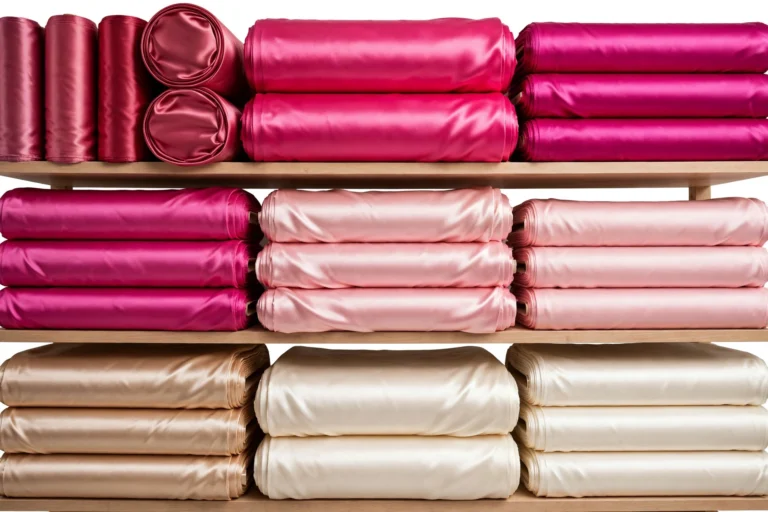
Event linens. Tablecloths, runners, napkins, chair covers, sashes, and decorative draping for walls and ceilings. The fabric’s biggest modern market: wrinkle resistance keeps tables looking pressed all evening, structured drape covers without excessive puddling, and durability survives rental-company laundering. Flame-retardant versions exist for venues with fire codes.
Home accents. Decorative pillows, curtains, valances, and bed runners. The weight helps curtains hang properly and the luster reads rich in the folds.
What is missing: lingerie, bias-cut dresses, scarves, and linings. Those jobs belong to charmeuse and its fluid relatives. Slipper satin is the satin you choose when the fabric has to do work, not when it has to pour. The scarf-side applications live in our satin scarf guide.
Is slipper satin easier to sew than other satins?
Yes, and by a clear margin. It is the most forgiving satin under the machine because its firmness fights the problems that make charmeuse miserable: layers do not slide, pins stay put, and the presser foot does not shove the top layer ahead. Beginners who are scared of satin should start here.
Still satin, so the fundamentals apply. Cut a single layer with a rotary cutter or sharp shears. Keep pins inside the seam allowances; pinholes show on the gloss face. Use a Microtex sharp in 70/10 or 80/12 with a fine thread, stitch at 1.5 to 2.5mm, and reduce presser foot pressure if your machine allows it. A walking foot or tissue paper under the seam stops the last of the creep.
Finish the edges because slipper satin frays. French seams suit straight seams on the lighter weights; a serger works if you test settings on scraps first. Press from the wrong side with a pressing cloth, on the cool setting for the fiber, and keep the iron moving: direct heat on the gloss face flattens the floats and leaves a dull patch that never recovers.
The payoff for the firmness comes with embellishment. Beading and embroidery sit beautifully on slipper satin because the fabric holds its shape under the added weight; use a stabilizer behind heavy beadwork. This is one reason evening shoes and clutches get the full crystal treatment while charmeuse gowns keep it minimal. The complete technique manual is in how to sew satin.
How do you wash and care for slipper satin?
Care follows the fiber, not the weave. A polyester tablecloth and a silk evening shoe share the satin weave and share almost nothing about washing.
Polyester slipper satin. Machine washable on delicate, cold, inside out in a mesh bag. Mild detergent, no bleach or softener. Skip the dryer or use the lowest heat; hot dryers can set wrinkles permanently into polyester and dull the face. Air dry away from direct sun.
Silk slipper satin. Hand wash cool with a detergent made for delicates, or follow the dry clean instruction on structured pieces. Never wring or twist; roll in a clean towel to press out water. Dry flat away from heat and sun.
Both fibers. Never spot-clean a water mark by dabbing. Partial wetting leaves a ring on satin, so wet the area evenly or leave it alone. Roll tablecloths and drapery on a tube rather than folding to prevent permanent creases. Hang garments on padded hangers, never wire. Steam from a few inches away beats ironing for wrinkle removal; if you must iron, wrong side only, press cloth, cool iron, keep it moving.
How do you buy slipper satin without getting the wrong fabric?
Read the fiber first, the word second. The label must state the fiber: silk, polyester, nylon, or a blend. A listing that says “slipper satin” with no fiber content is almost certainly polyester. Judge the price on that assumption.
Know what the trade names mean. “Polysatin” is polyester slipper satin in most event and craft listings. “Bridal satin” on a budget listing is usually polyester slipper satin too. When precision matters, ask the seller for the weave or run the scrunch test yourself.
Match weight to the job. Ask for the GSM if it is printed. If not, judge by hand: structured folds, firm body, spring-back from a scrunch. If a “slipper satin” pours like charmeuse, it is mislabeled. The type family overview is in the complete guide to satin types.
Buy dye lots together. Satin sheen makes dye variation more visible than on matte fabrics. Buy all the fabric for one project from the same bolt, and order swatches for color-critical work like weddings, viewed in the venue’s light.
Add yardage. Add 10 to 15 percent for pattern matching, mistakes, and test scraps. Typical widths run 44 to 60 inches.
Price anchors, reported. Budget polyester runs a few dollars per yard at wholesale-oriented retailers, more at local stores. Silk blends climb into the tens of dollars per yard, and pure silk sits at the top. Treat any price far below these bands as a quality flag: cheap satin often has uneven luster and a face that goes dull after a few washes.
What slipper satin is NOT: naming traps
It is not lingerie or bias-dress fabric. Every season, someone makes a bias-cut slip dress from a fabric labeled satin and wonders why it stands away from the body. If the fabric has body, it is the wrong cloth for fluidity. Charmeuse is the pour; slipper satin is the posture. The fluid side of the family is covered in our charmeuse guide.
It is not “satin-backed crepe.” Crepe-back satin is reversible, with a crepe-textured reverse you can wear face-out. Slipper satin has a plain dull back and is not meant to be reversed. The names sound related. The fabrics are not.
The “satin” on a wedding rental invoice is slipper satin. When an event company quotes “satin tablecloths,” they mean polyester slipper satin. Knowing this saves you from buying charmeuse for your own event and discovering it wrinkles if a guest breathes near it.
Heavier is not always better. Slipper satin beats charmeuse for structure and duchess on price, but duchess still wins for bridal gowns that need both weight and drape, and charmeuse wins everywhere fluidity matters.
Slipper satin vs charmeuse vs duchess vs crepe-back satin
| Slipper satin | Charmeuse | Duchess satin | Crepe-back satin | |
|---|---|---|---|---|
| Weight | Medium-heavy (approx. 120-210+ GSM) | Light (approx. 70-110 GSM) | Heavy (approx. 190-300 GSM) | Medium (approx. 120-180 GSM) |
| Hand | Firm, crisp, structured | Soft, fluid, liquid | Dense, substantial, architectural | Smooth face, textured crepe back |
| Drape | Structured folds | Pours and ripples | Controlled, sculptural | Moderate, follows the body |
| Luster | High, even glow | Very high, mirror-like | Medium-high, refined | High on satin face only |
| Back | Dull, not reversible | Dull, not reversible | Dull, not reversible | Matte crepe, reversible |
| Best for | Shoes, bags, structured evening wear, event linens | Lingerie, bias dresses, blouses, linings | Bridal gowns, ball skirts, tailored formal | Reversible garments, evening wear |
| Sewing difficulty | Easiest of the satins | Hardest of the satins | Moderate, weight prevents slipping | Moderate, back grips the feed dogs |
| Typical fibers | Polyester, silk, nylon, blends | Silk, polyester, rayon | Silk, polyester, blends | Polyester, silk, acetate blends |
Frequently Asked Questions
Is slipper satin the same as regular satin?
No. Slipper satin is one specific type: the firm, medium to heavy-weight one. Regular “satin” on a store label usually means an unspecified polyester satin, tighter weaving and more structure than most being what sets slipper satin apart.
Why is it called slipper satin?
Because it was first made for women’s formal shoes. In the late 19th and early 20th centuries, mills produced this sturdy satin so shoemakers could dye it to match evening gowns; fabric histories point to makers like William Skinner and Sons, who sold a silk-face, cotton-back version for exactly this trade. The name stuck after event linens became the bigger market.
Is slipper satin good for wedding dresses?
For structured styles, yes. Fitted bodices and architectural details play to its strengths, and it is a favorite for bridesmaid dresses. For flowing, romantic gowns, pick charmeuse for the drape or duchess satin for weight with more refinement.
Can you machine wash slipper satin?
Polyester slipper satin, usually yes: delicate cycle, cold water, inside out in a mesh bag, then air dry. Silk slipper satin, usually no: hand wash cool or dry clean. The fiber decides, never the weave. Never use a hot dryer on any slipper satin.
Is slipper satin better for beginners than charmeuse?
Much better. Its firmness means layers do not slide, pins stay put, and the presser foot does not shove the fabric around. It still frays and can snag, so finish your edges and use a sharp Microtex needle.
What is the difference between slipper satin and duchess satin?
Both are structured satins, but duchess is typically heavier with a denser weave and a more subdued luster, which makes it the classic bridal gown fabric. Slipper satin is a touch lighter with a brighter sheen, at home in shoes, accessories, and event decor.
Is the satin on wedding tablecloths really slipper satin?
Almost always. Event rental “satin” tablecloths are polyester slipper satin, chosen because it resists wrinkles, survives commercial laundering, and drapes with structure instead of puddling.
Can slipper satin be dyed to match a color?
That was its original selling point. Shoemakers bought it undyed and dyed it to match gowns, and the tight, even weave takes dye beautifully. At home, only dye fibers you can handle: polyester needs disperse dyes and high heat, a job for professionals. When in doubt, buy it in the color you need.