Satin Sheets: The Complete Buying Guide
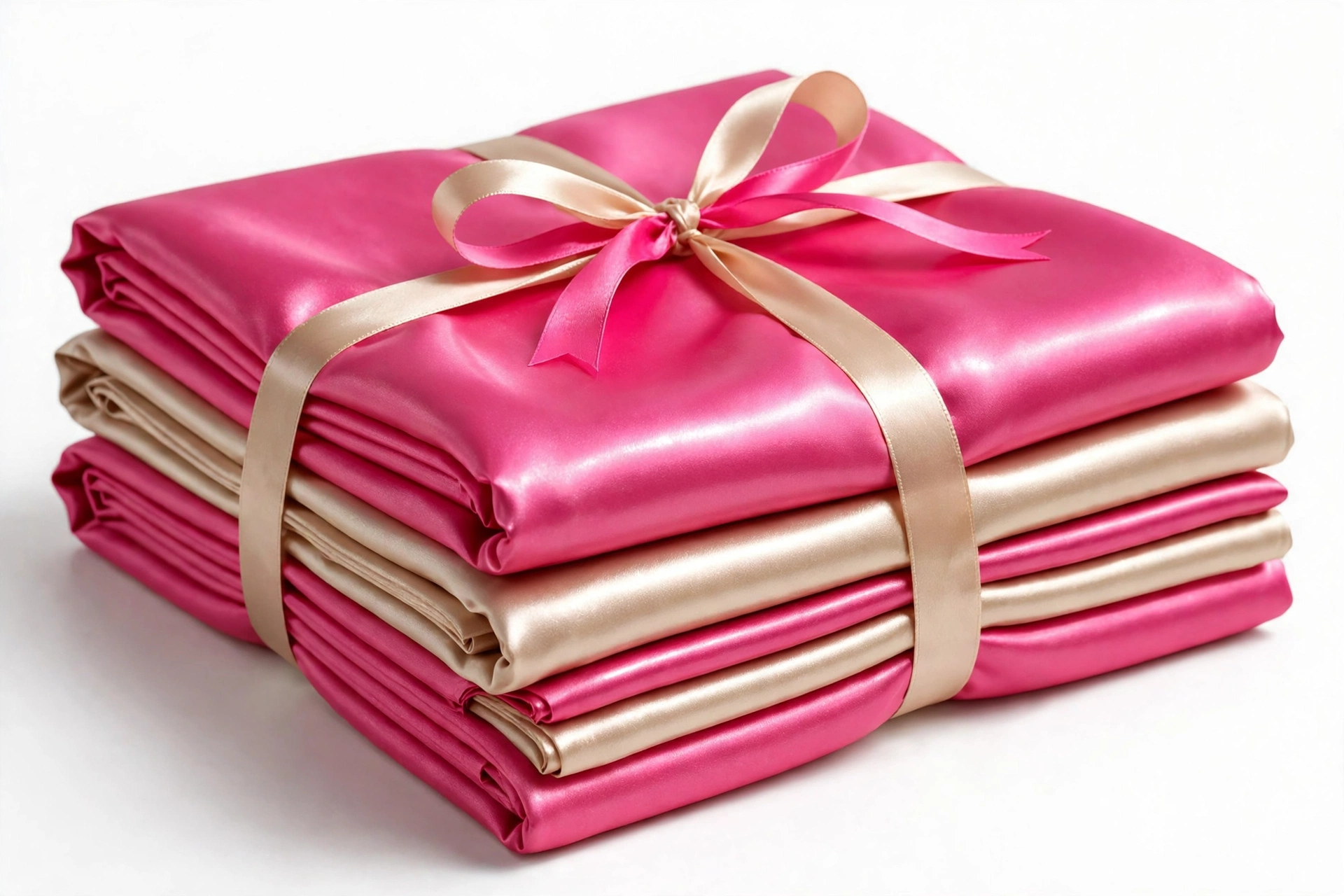
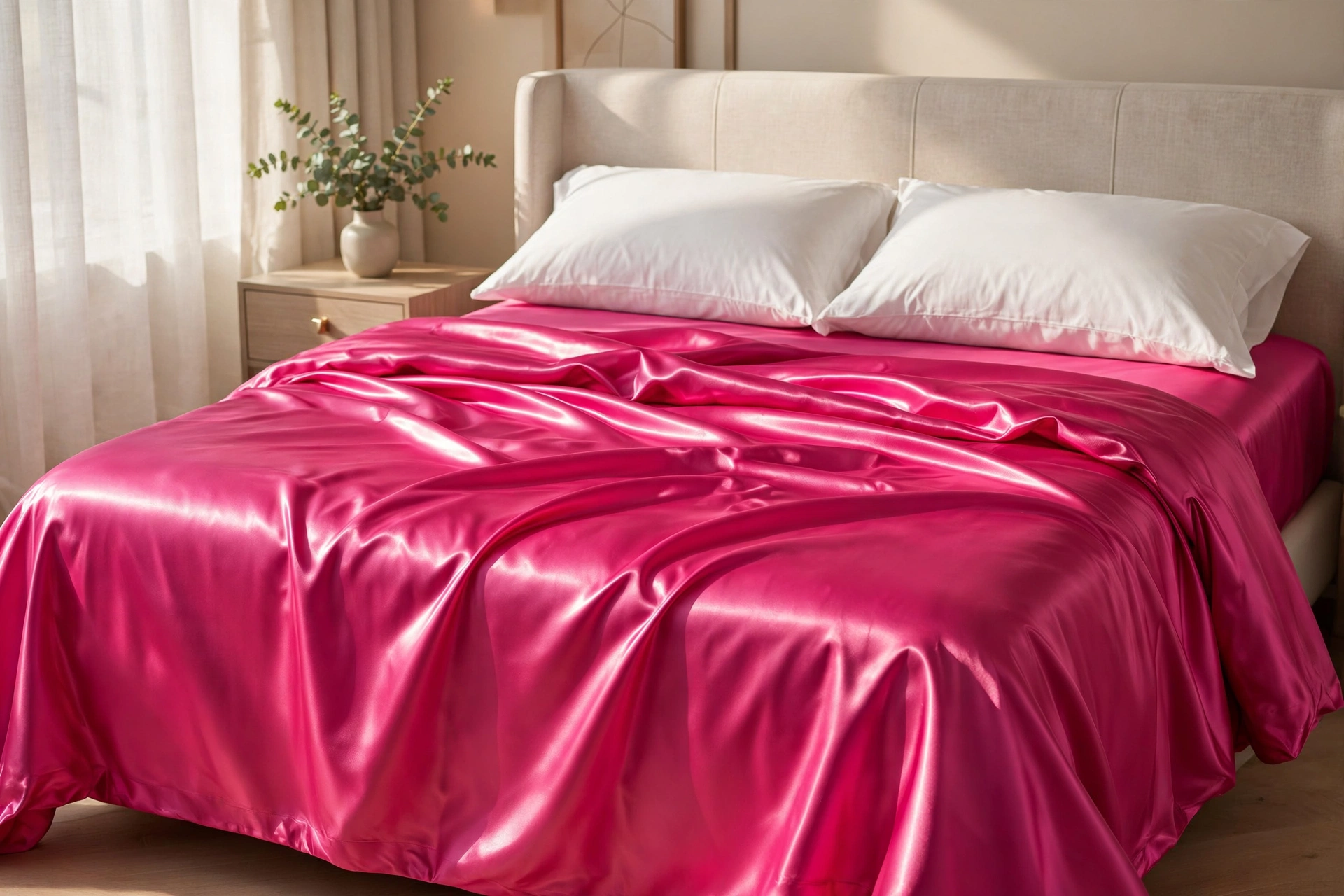
Satin sheets are sheets woven in a satin weave, which gives them their glossy face and slippery feel. The word “satin” tells you nothing about the fiber: most satin sheets are polyester, some are silk, and the two sleep, wash, and age nothing alike. Buy by fiber first and weave second, ignore thread count on polyester satin entirely, and know the trade-offs (sliding, warmth, snagging) before you pay.
What are satin sheets, really?
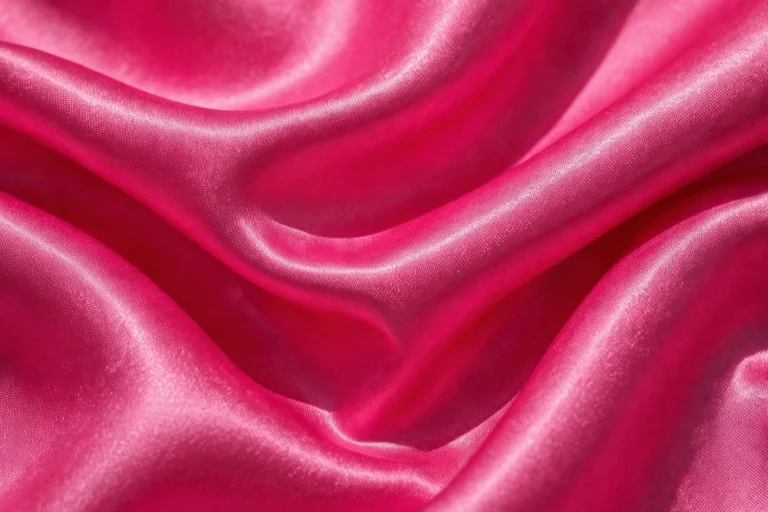
Satin is a weave structure, not a fiber. In a satin weave, yarns float over several crossing yarns before anchoring, which puts long smooth yarn segments on the fabric face. Those floats reflect light evenly, and that is the shine. They also slide against skin with little resistance, and that is the slippery feel people either love or hate.
This matters for buying because the fiber decides almost everything else. Polyester satin sheets and silk satin sheets share a weave and almost nothing else: one sleeps warm and washes in a machine, the other sleeps cool and wants hand washing. Same shine, different sheet. Our lens for every buying decision on this site is fiber first, weave second, finish and weight after that. Sheets are where that lens pays off most.
satin weave explains the float structure in full if you want the mechanism behind the shine.
Which fibers are satin sheets made from?
Polyester satin. The default. It is cheap, colorfast, wrinkle-resistant, and machine washable. It also sleeps warm: polyester absorbs almost no moisture (around 0.4% moisture regain), so sweat sits on the surface instead of wicking away. Hot sleepers consistently report polyester satin as too warm. Static in dry weather is the other complaint. If the price looks too good for silk, it is polyester. That is not an insult; it is just the fact that sets expectations.
Silk satin. The luxury option. Silk fiber breathes, regulates temperature better, and feels cooler against skin. It costs several times more, needs gentle washing, and wears faster than polyester. Silk satin sheets are sold by momme weight (a silk density measure), not thread count. Around 19 to 22 momme is the common range for bedding that lasts.
Nylon satin. Less common in sheets, more in linings. Strong and smooth, but heat-sensitive and prone to static. If you see it, it is usually a blend component, not the whole sheet.
Acetate and rayon satin. Acetate drapes beautifully and takes dye well, but it weakens when wet and hates heat, which makes it a poor sheet fiber. Rayon (viscose) satin feels close to silk when dry but loses strength wet and wrinkles. Both appear in budget “silky” sheet sets. Check the label: if it says acetate, expect a short life.
Blends. Polyester-cotton or polyester-rayon satins try to split the difference: some breathability, lower price than silk, easier care than pure silk. Read the percentages. A “satin sheet” that is 90% polyester behaves like polyester.
How do you read a satin sheet label?
Labels lie by omission more than by commission. Here is the decoder.
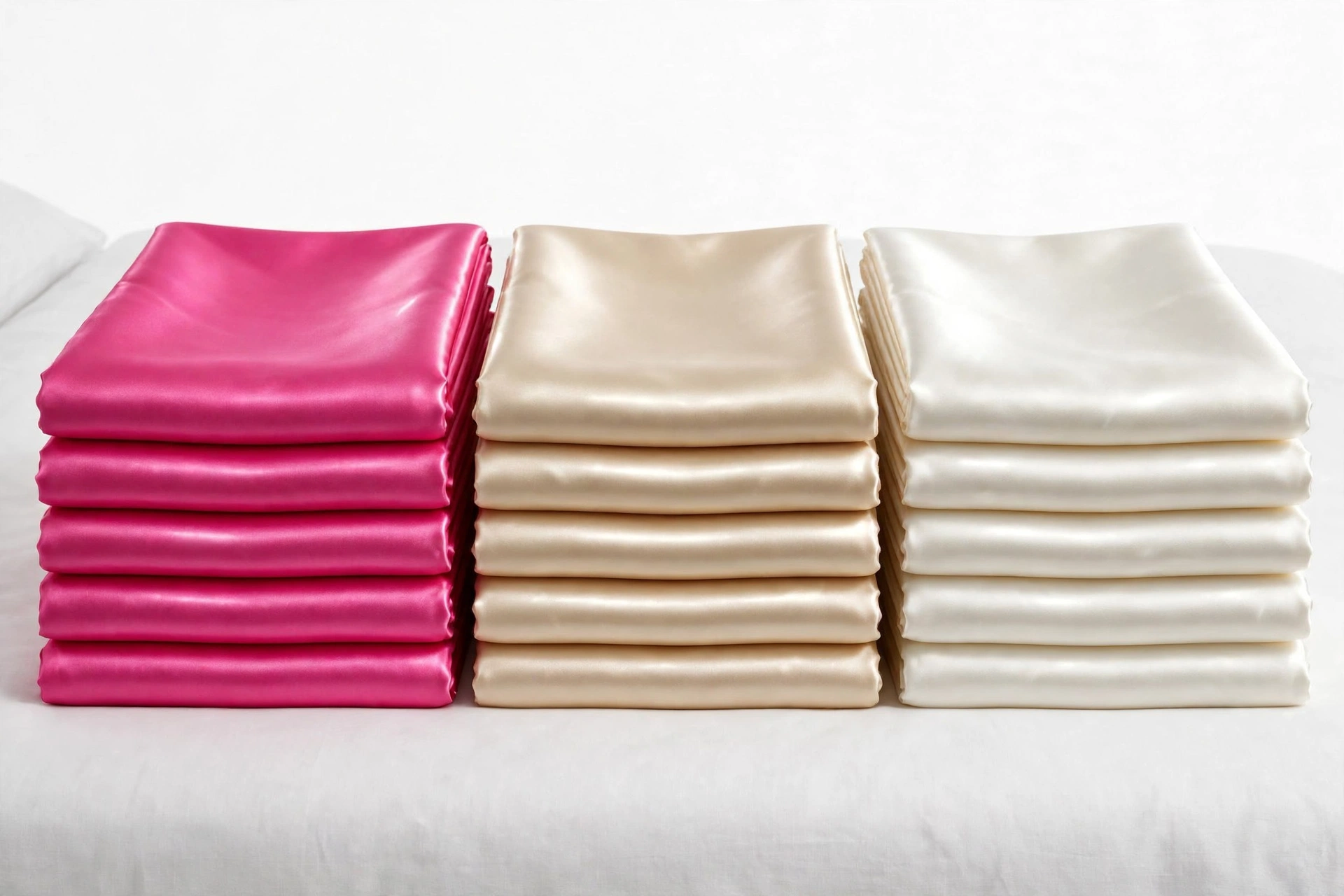
Fiber content is the whole game. It is usually on a side seam tag in small print. “100% polyester” is honest and common. “Silk” must name the fiber; “silky,” “silk-like,” “satin silk,” and “sateen finish” are marketing words, not fibers.
“Satin” vs “sateen.” Both are weaves, and sellers mix them up constantly. Satin weave typically uses filament yarns (silk, polyester) and shines hard. Sateen is the cotton cousin: same float idea, spun cotton yarns, softer glow, more breathable. If your “satin sheets” are 100% cotton, you bought sateen, whatever the package says. The satin vs sateen guide untangles this fully.
Momme for silk, thread count for cotton, nothing for polyester.
Does thread count matter for satin sheets?
Less than you have been told, and for polyester satin, not at all.
Thread count made sense for cotton percale: more threads per inch, denser and smoother cloth, up to a point. Consumer Reports testing found 280-count among the top performers and put the sweet spot around 400. Past that, manufacturers inflate the number by counting multi-ply yarns twice, a practice the FTC has flagged. So even for cotton, the number stops meaning much above 400.
For satin sheets the number means even less. Silk satin is sold by momme, not thread count, because momme measures the silk’s density directly. Polyester satin frequently carries no thread count claim at all, because polyester filament yarns don’t map onto the cotton counting system in any honest way. A “1200 thread count” polyester satin set is marketing, not measurement.
What to check instead: fiber content, weave (satin vs sateen), and for silk, momme. Those three tell you more than any thread count ever will.
Satin vs sateen vs silk sheets
| Satin sheets (polyester) | Sateen sheets (cotton) | Silk sheets | |
|---|---|---|---|
| What it is | Satin weave, polyester fiber | Sateen weave, cotton fiber | Satin weave, silk fiber |
| Shine | High gloss | Soft glow | Deep luster |
| Feel | Slippery, smooth | Buttery, smooth | Cool, fluid |
| Breathability | Low, sleeps warm | Good | Best of the three |
| Durability | Strong, pills little | Good, softens with wash | Delicate, wears faster |
| Care | Machine wash, easy | Machine wash, easy | Gentle wash, fussy |
| Price | Lowest | Mid | Highest |
| Best for | Budget shine, guest rooms | Everyday comfort | Hot sleepers, luxury |
The honest reframe: most shoppers choosing between “satin” and “sateen” sheets are really choosing between polyester and cotton. Decide the fiber first. The weave is secondary.
The honest downsides of satin sheets
Seller pages skip this section. We won’t.
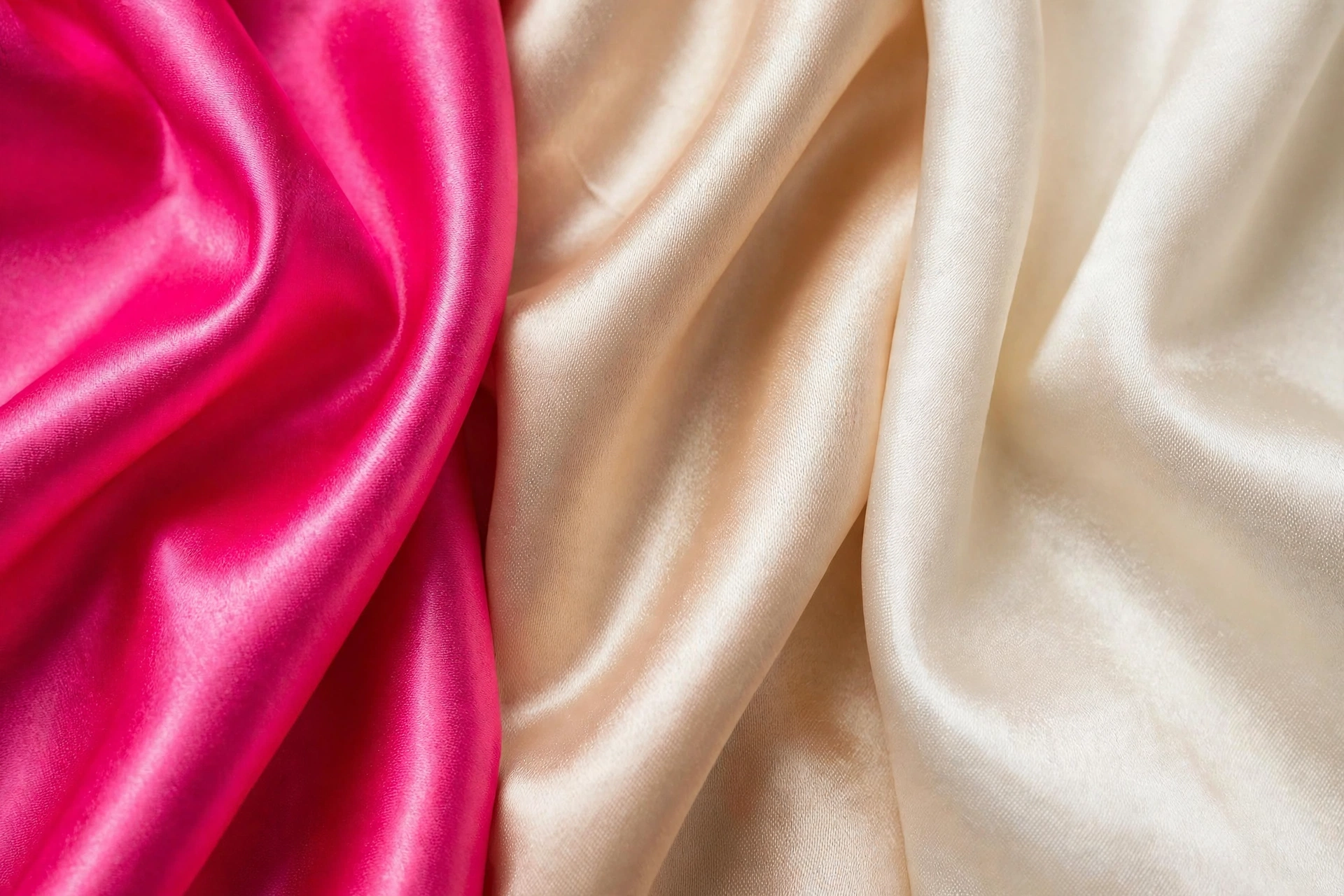
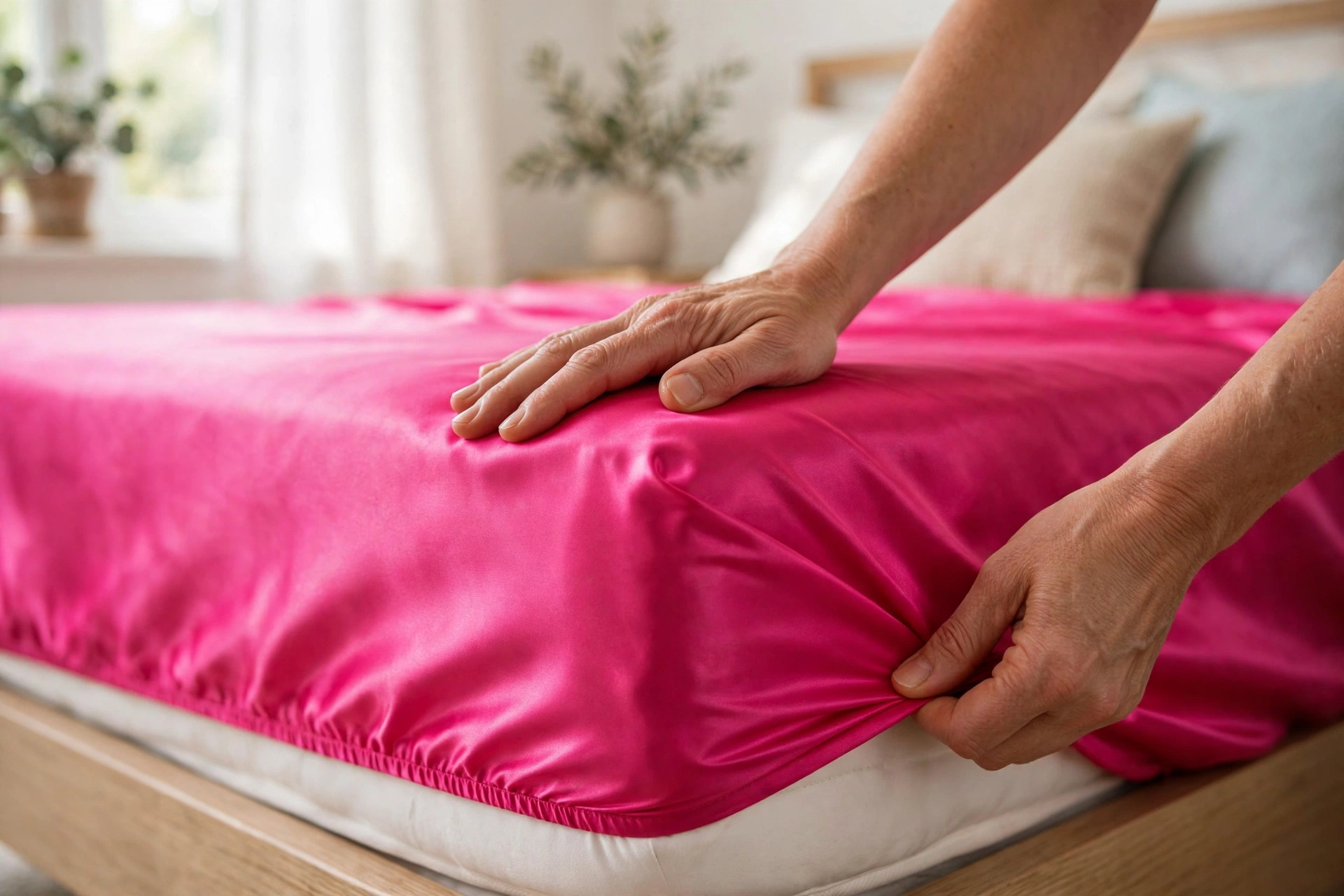
They slide. The slippery face that feels luxurious also migrates. Fitted satin sheets creep off mattress corners; flat sheets puddle at the foot of the bed. Deep-pocket fitted sheets with strong elastic, or sheet suspenders, fix most of it. This is the number one owner complaint, and it never fully goes away.
Polyester satin sleeps warm. Low moisture absorption means body heat and sweat stay against you. Hot sleepers should rule out polyester satin entirely and look at silk satin or cotton sateen instead.
They snag. Long floats catch on rough skin, calluses, pet claws, and jewelry. Satin is among the worst bedding choices for homes with cats that knead. One pulled thread can run.
Static. Polyester satin in dry winter air crackles and clings. A humidifier helps; so does not over-drying.
Dry skin feels odd on satin. Enough owners report this to mention: very dry skin can grip and drag on the slick surface in a way that feels strange. Moisturize or choose sateen.
Water spots. A spilled glass leaves a mark on some satins because the water disrupts the surface unevenly as it dries. Blot, don’t rub, and let it dry evenly.
None of these are dealbreakers for everyone. They are the reasons satin sheets get returned, so knowing them before buying beats learning them at midnight.
How do you care for satin sheets?
Fiber sets the rules again. Polyester satin: machine wash cold or warm on gentle, mild detergent, tumble dry low or line dry. Silk satin: hand wash or delicate cycle in a mesh bag, pH-neutral detergent, never wring, dry away from sun. Acetate and rayon: follow the label exactly and expect fragility.
Three rules for all satin bedding: wash with like fabrics (zippers and hooks snag floats), skip fabric softener on silk, and never iron polyester satin hot. The full per-fiber routines, stain handling, and the water-spot fix are in the satin washing guide.
Who should buy satin sheets?
Buy polyester satin sheets if: you want the glossy look on a budget, they are for a guest room, you sleep cool, and you will use deep-pocket fitted sheets or suspenders. Accept the warmth and the sliding as the price of the shine.
Buy silk satin sheets if: you sleep hot, you want the best hand-feel, and the budget stretches. Check momme (19 to 22 for bedding), and commit to gentle washing. This is the only satin sheet that breathes properly.
Buy cotton sateen instead if: you want smooth and lustrous but breathable, you machine-wash everything without thinking, or pets share the bed. Sateen is what most “satin sheet” shoppers actually want. Saying so costs us nothing and saves you a return.
Skip satin sheets if: you toss hard in sleep (they will tangle and slide), you run hot and won’t pay for silk, or your cat kneads the bed. No shame in percale.
Pair them with a satin pillowcase in a matching or contrast color if you want the set to look deliberate. And if the silk-versus-polyester decision is still open, the satin vs silk guide settles it without a sales pitch.
FAQs
Are satin sheets good for sleep? They are good for people who like a cool, slippery feel and sleep cool themselves. Polyester satin sleeps warm and slides around, which bothers light sleepers. Silk satin sleeps cooler but costs much more. There is no independent sleep-quality research on satin specifically.
What is the difference between satin and silk sheets? Satin is a weave, silk is a fiber. “Satin sheets” are usually polyester in a satin weave; “silk sheets” are silk fiber, usually also in a satin weave. Compare fiber to fiber: polyester satin vs silk satin differ in breathability, care, durability, and price.
Do satin sheets keep you cool? Silk satin does, reasonably. Polyester satin does not; it traps heat because polyester barely absorbs moisture. If cooling is the goal, buy silk satin or cotton sateen, not polyester satin.
How do I keep satin sheets on the bed? Use deep-pocket fitted sheets with elastic all the way around. Corner-only elastic lets the middle ride up. Sheet suspenders or clips add grip. Some owners size down the flat sheet so there is less fabric to migrate. The sliding is inherent to the weave; management beats elimination.
Are satin sheets good for skin? The evidence is modest. Less friction means less tugging and fewer morning sleep lines than rough cotton, which dermatologists acknowledge. Satin will not treat acne, eczema, or wrinkles. Wash pillowcases every two to three nights regardless of fabric.
Can you machine wash satin sheets? Polyester satin, yes: gentle cycle, mild detergent. Silk satin, preferably by hand or in a mesh bag on delicate. Acetate satin, follow the label and handle it like it is fragile, because it is.
Are expensive satin sheets worth it? Expensive polyester satin is not worth much more than cheap polyester satin; the fiber caps the quality. Expensive silk satin can be worth it for hot sleepers who will care for it. Pay for fiber, not for thread count or brand story.
The trust note
No bedding brand paid for a word here, which is rare in this topic: almost every satin sheet comparison online is written by someone selling sheets. The thread-count section uses published Consumer Reports and FTC positions; the fiber claims come from textile reference data. Spot an error and it gets fixed with a dated correction.