Satin Skirt: The Complete Guide
A satin skirt works when the satin type matches the silhouette. Bias-cut slip skirts want fluid charmeuse; structured A-lines and pencils want heavier satins that hold shape. The three honest problems are static cling, sheerness, and wrinkles, and all three have fixes. Buy by fiber, check the lining before the price, and style the shine against matte textures. The detail is below.
Slip skirt or structured skirt?
Satin skirts fall into two families, and they behave like different garments.
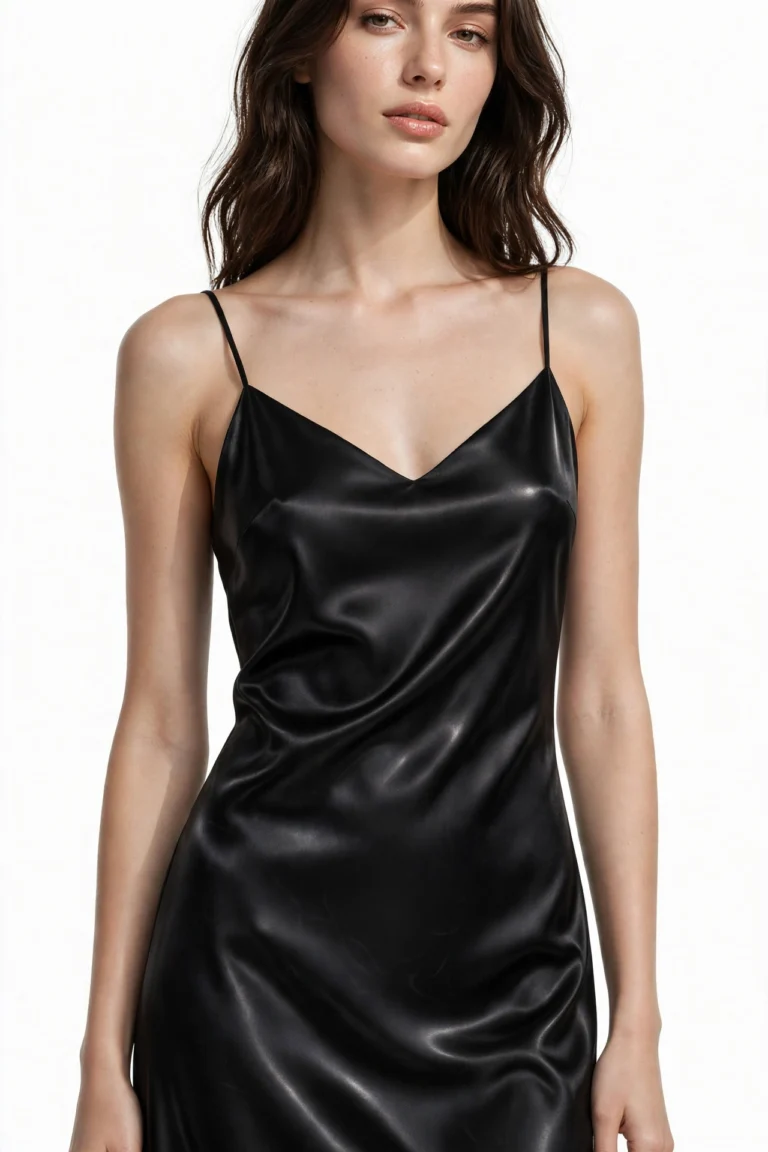
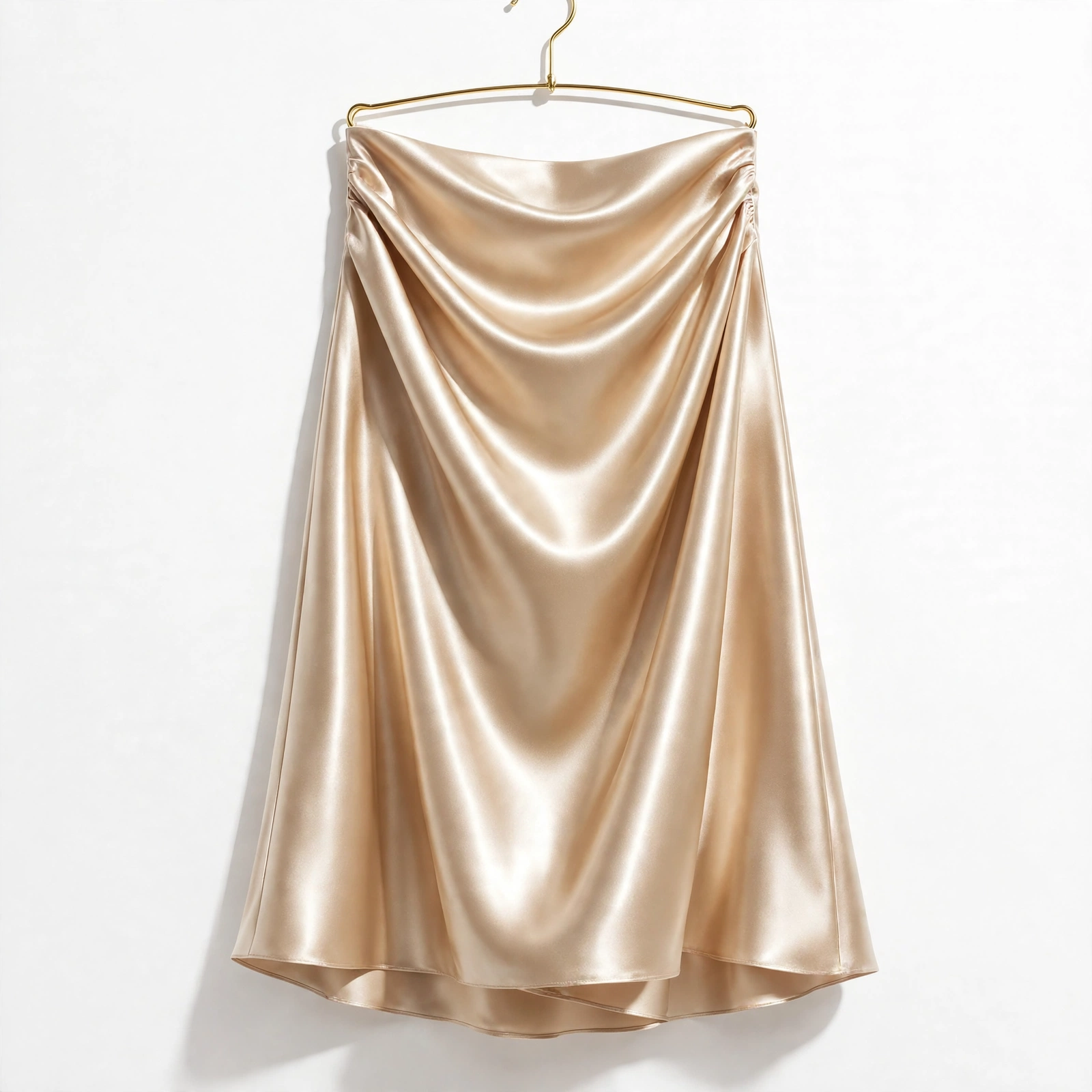
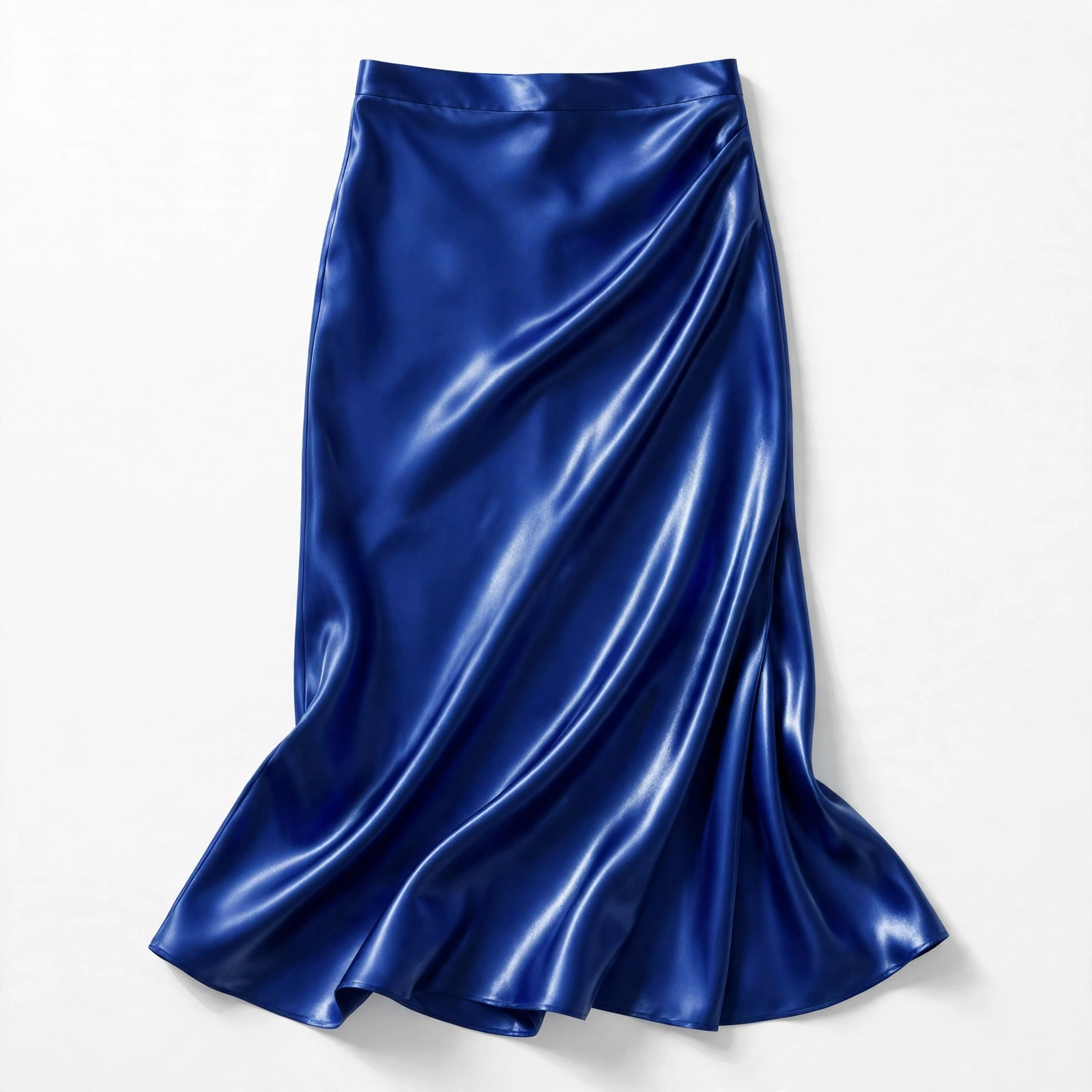
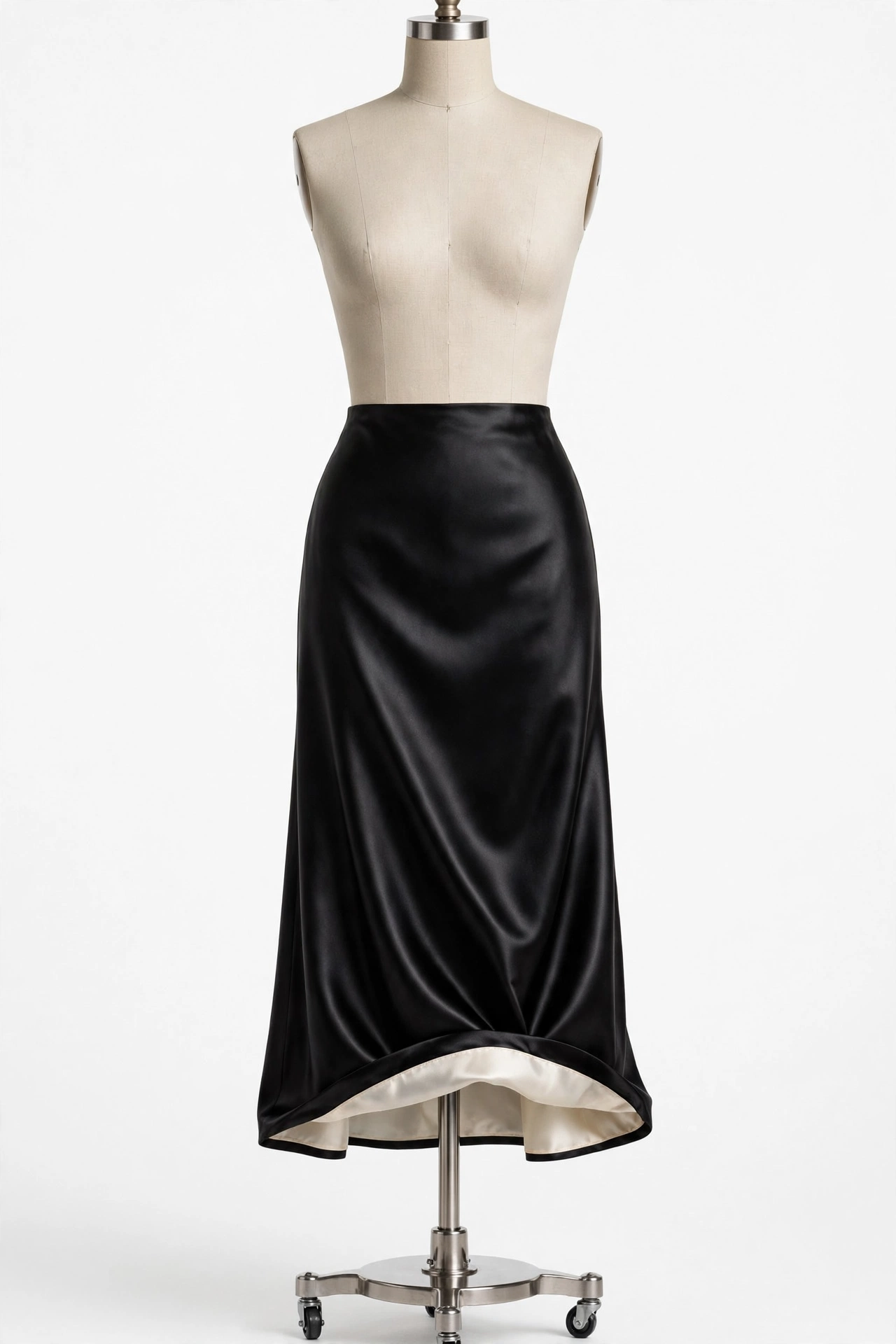
The slip skirt. Cut on the bias from lightweight charmeuse, falling straight from hip to hem, usually midi length. The bias gives it drape and a little natural give, so it moves when you walk and catches light in motion. This is the 90s silhouette that keeps returning, and it is the easiest satin skirt to wear: no waistband engineering, no structure to fight. Its weaknesses are cling, sheerness in light colors, and a tendency to twist around the legs as you move.
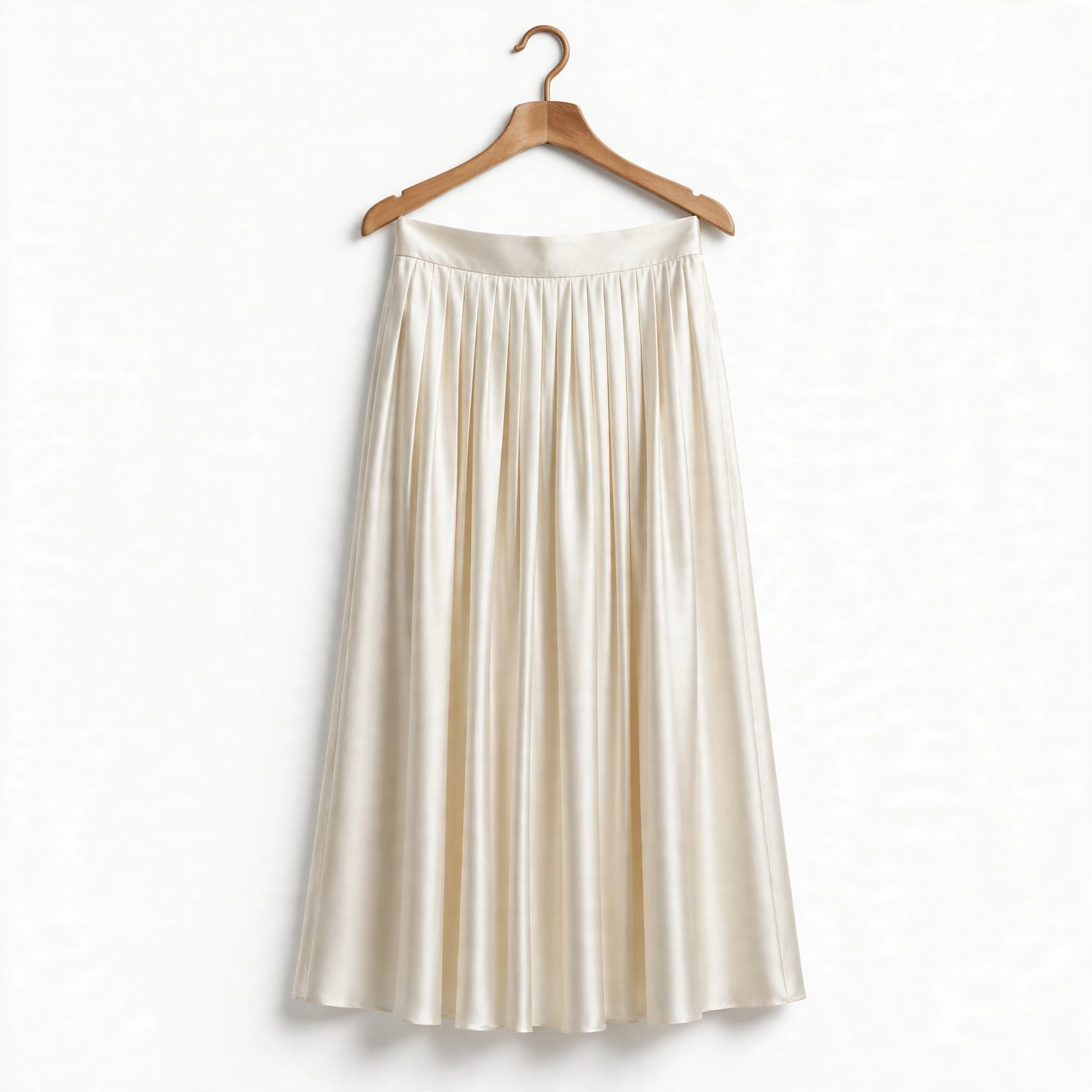
The structured skirt. A-line, pencil, or pleated, cut on the straight grain from heavier satins. These hold their shape instead of following the body, which makes them more forgiving and more office-appropriate. They need proper construction: a real waistband, often a lining, sometimes interfacing. A cheap unstructured “satin pencil skirt” in thin charmeuse is just a tight tube that rides up. The fabric cannot do the tailoring’s job.
Decide the family first. Everything else, the satin type, the lining question, the styling, follows from it.
Which satin works for skirts?
| Satin type | Best skirt styles | Why it works | Watch out for |
|---|---|---|---|
| Charmeuse | Bias slip skirts | Fluid drape, light-catching movement | Sheer in light colors; snags; clings |
| Stretch satin | Fitted pencils, bodycon minis | Holds shape with give; stays put | Maximum cling; shows every line |
| Crepe-back satin | A-lines, day skirts | Quieter shine, more structure | Heavier; less movement |
| Duchess satin | Formal A-lines, occasion skirts | Holds sculpted shape | Too stiff and heavy for casual wear |
Polyester dominates all four at retail, which is fine: it keeps the price low and the wrinkles down. Silk charmeuse makes the most beautiful slip skirt and the most demanding one. As with dresses, the fiber decides care, breathability, and price; the type decides the silhouette. The types of satin guide covers each type per fiber.
Satin’s weave is the reason behind the behavior: long floats mean easy drape and easy wrinkling in the same fabric.
The three honest problems (and the fixes)
Static cling. Polyester absorbs almost no moisture (around 0.4% moisture regain), so in dry air it builds static charge and the skirt grabs your legs. This is the number one complaint about satin skirts, and it is physics, not a defect. Fixes that work: a lined skirt (the lining sits between the satin and your skin), natural-fiber tights or a slip underneath, and anti-static spray in a pinch. Dryer sheets rubbed on the inside work in an emergency.
Sheerness. Light-colored charmeuse in a single layer is often see-through in daylight. Hold the skirt up to a window before buying, or check the lining. A proper lining solves it completely. Flesh-tone underwear helps; white underwear under white satin is the classic mistake, since white shows through more than skin tones.
Wrinkles. Sitting creases satin at the seat and behind the knees, and the creases catch light. Polyester resists better than silk but still creases. For all-day wear, crepe-back satin and lined styles wrinkle least. Steam from a distance revives polyester; silk wants a press cloth and low heat.
Visible panty lines deserve an honorable mention. Satin shows them all. No-show underwear is not optional with this fabric; it is part of the garment.
Lined or unlined?
Check this before you check the price. Lining changes a satin skirt more than any other single factor.
A lined skirt is more opaque, clings less (the lining breaks the static path to your skin), holds its shape better, and lasts longer because the lining takes the abrasion. An unlined charmeuse slip skirt is cheaper and moves more freely, which is the whole point of the style, but it demands more from your underlayers and your tolerance for cling.
The honest rule: unlined is fine for dark colors and evening wear; lined is worth paying for in light colors, office wear, and anything pencil-shaped. If a listing does not mention lining, assume there is none.
How do you style a satin skirt without looking overdressed?
The shine is the styling problem. Satin reflects light, and light reads as formal. The fix is texture contrast: pair the skirt’s gloss against matte, rough, or heavy textures and the outfit reads as deliberate instead of dressy.
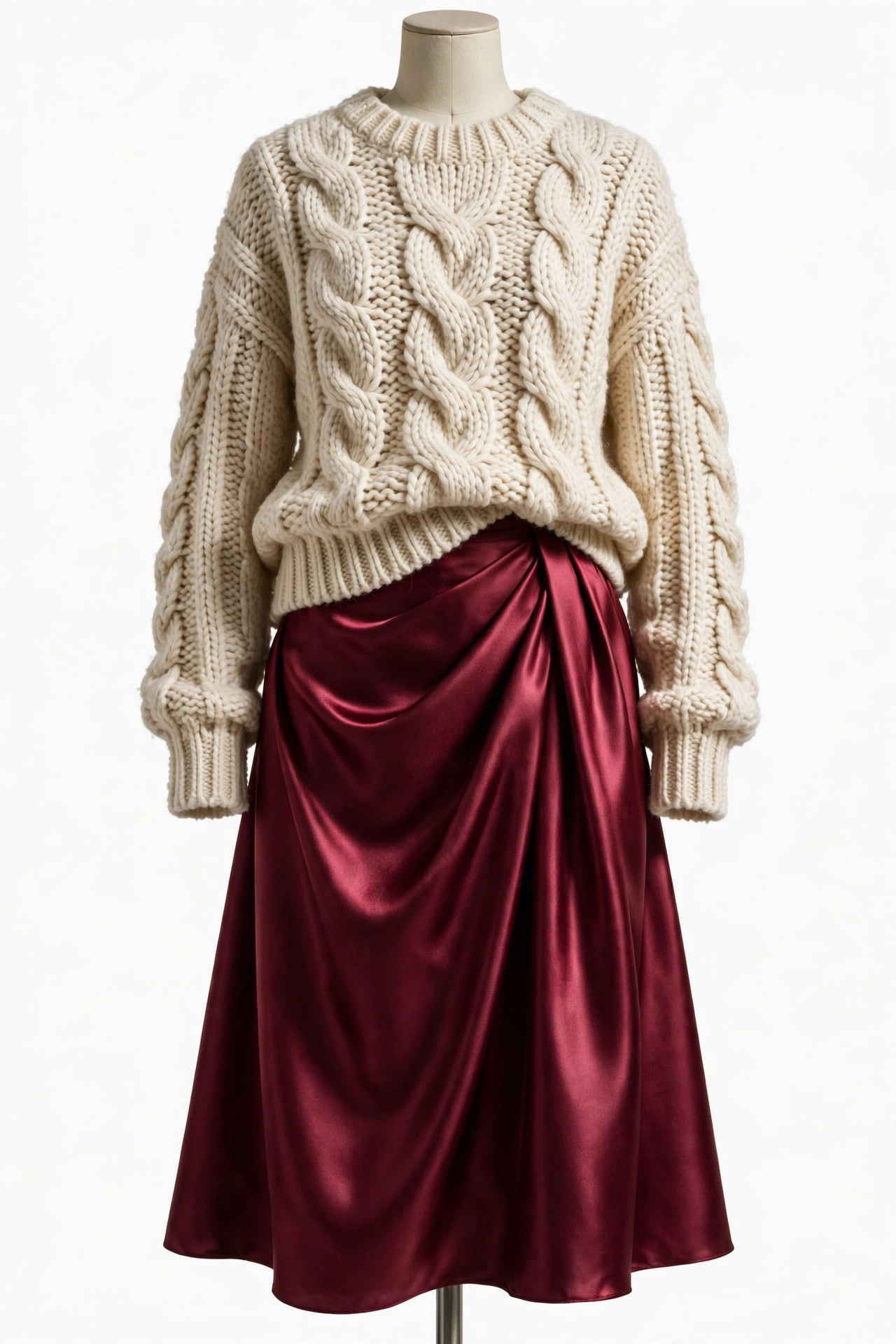
The standard formula. A midi slip skirt with a chunky knit sweater and boots is the combination that keeps resurfacing because it works: heavy matte knit kills the formality, boots ground it. Tuck the front of the sweater or use a fitted knit to keep the waist defined.
Daytime. Flat shoes or sneakers, a cotton tee or overshirt, minimal jewelry. The satin becomes the one polished piece in a casual outfit.
Evening. Heels, a fitted top in a matte fabric, and let the skirt do the talking. Black and jewel tones go darkest-formal; champagne and blush go romantic.
Office. A knee-length or midi A-line in crepe-back satin or a dark slip skirt with a blazer. Keep the shine quiet: dark colors, matte companions, closed shoes.
What to avoid: head-to-toe satin (one shiny piece per outfit), satin-on-satin in clashing shines, and pairing a slip skirt with a slinky satin top for daytime, which reads as lingerie-as-daywear only if that is the intent.
Reading the label before you buy
Fiber first. “100% polyester” is the honest default and it works. “Silk” must say silk. “Silky,” “satin silk,” and “silk-like” are marketing words. A “silk satin skirt” at a polyester price is polyester satin.
Check the construction. Lined or unlined, real waistband or elastic, zipper or pull-on. An invisible zipper in a bias skirt can ripple (the fabric stretches as it is sewn); a well-made one is interfaced at the seam. If you sew, the satin sewing guide explains the bias zipper problem and the fixes.
Price anchors. A polyester slip skirt costs little to make; honest ones are priced accordingly. Paying more buys better construction (lining, waistband, hemming), not better polyester. Silk charmeuse skirts cost several times more because the fiber does.
Our satin dress guide covers the same label traps for dresses, since the lies are identical.
How do you care for a satin skirt?
Fiber sets the rules again. Polyester satin: machine wash cold on gentle, mild detergent, hang to dry. Silk satin: hand wash or delicate in a mesh bag, pH-neutral detergent, never wring. Never iron polyester satin hot; steam from a distance instead. Never spot-wet a water mark; wet the area evenly and let it dry uniformly, because partial wetting is what makes the spot visible.
Skirts have one extra care note: hang them by the waistband on a clip hanger, never folded long-term, because fold creases in satin set stubbornly. Bias slip skirts are the exception that proves the rule about dresses: skirts have less fabric to stretch, so hanging is fine. Full routines per fiber are in the satin washing guide.
FAQs
What is the best satin for a skirt? Charmeuse for bias slip skirts, stretch satin for fitted pencils, crepe-back satin for structured day skirts, duchess for formal occasion skirts. Match the type to the silhouette first, then choose the fiber.
Are satin skirts see-through? Light-colored unlined charmeuse often is, in daylight. Dark colors and lined skirts are not. Hold the skirt to a window before buying, and wear skin-tone no-show underwear, never white under white.
How do you stop a satin skirt from clinging? Lining is the best fix, then natural-fiber tights or a slip underneath, then anti-static spray. The cling is static from polyester’s low moisture absorption plus the weave’s natural drape; both are manageable.
Can you wear a satin skirt to the office? Yes: knee-length or midi, dark color or crepe-back satin for quieter shine, paired with a blazer or knit. Avoid unlined light-colored slips and anything that reads as lingerie.
Why does my satin skirt twist when I walk? Bias-cut skirts have stretch on the cross grain and migrate with movement. A fitted waistband and the right size limit it; some twist is inherent to the cut. Straight-grain skirts do not do this.
How do you get wrinkles out of a satin skirt? Steam polyester satin from a distance, keeping the steamer moving. Press silk satin on the wrong side through a press cloth on low heat. Hang skirts by the waistband so gravity pulls creases out between wears.
Is a lined satin skirt worth the extra money? For light colors, office wear, and pencil shapes, yes: lining adds opacity, cuts cling, and extends the skirt’s life. For a dark evening slip skirt, unlined is fine and moves better.
The trust note
No retailer paid for a word here. Most satin skirt content online is a product listing with adjectives; this guide is built from weave science, practitioner sewing sources, and the actual complaints owners report. The static and sheerness sections exist because forums are full of them and buying guides pretend they are not. Spot an error and it gets fixed with a dated correction.