Is Satin Good for Hair? The Honest Guide
Satin is good for hair, with real but modest effects. It reduces friction and absorbs less moisture than cotton, which means less breakage, less frizz, and hairstyles that survive the night. It will not repair damaged hair, regrow hair, or replace good hair care. The rest of this guide explains the mechanism, the limits, and which satin product actually earns its place in your routine.
What’s the short answer?
Satin helps hair because its smooth face creates less friction and pulls less moisture out of your hair than cotton or rough fabrics. Less friction means fewer snapped strands and less frizz. Less moisture absorption means your hair keeps the oils and conditioning treatments you put in. The benefit is genuine, but it is mechanical, not magical: satin reduces damage, it does not reverse it.
Why does satin help hair? The mechanism.
Two properties do almost all the work: friction and moisture regain.
Friction. Satin’s weave floats long yarns across the fabric face with few anchor points. That smooth face lets hair slide instead of catching. Cotton’s plain weave is rougher, so strands snag, tangle, and snap during the eight hours you toss on a pillow. Friction data cited by textile educators (TRI Princeton, via ursilk) puts satin far below rougher fabrics for surface friction, close behind silk. That is the physical reason curly and coily hair, which tangles fastest, shows the biggest visible difference.
Moisture regain. This is the percentage of its weight a fiber absorbs from the air. Silk sits around 11.0%, cotton around 8.5%, polyester around 0.4%. Most satin bonnets and pillowcases are polyester satin, and polyester barely drinks. Cotton pillowcases wick oils and leave-in conditioner out of your hair overnight. Polyester satin leaves them where you put them. That single number explains most of the “my hair feels softer in the morning” reports.
Static. Polyester’s low moisture regain has a flip side: static. Researcher Ivana Dimitrova (Northeastern) links polyester static to flyaways. Fine hair notices this most. A light leave-in or a humidifier in winter handles it.
So the honest summary: satin works through physics, not chemistry. Smooth surface, low absorption. Everything else in this guide is detail.
What satin actually does for your hair
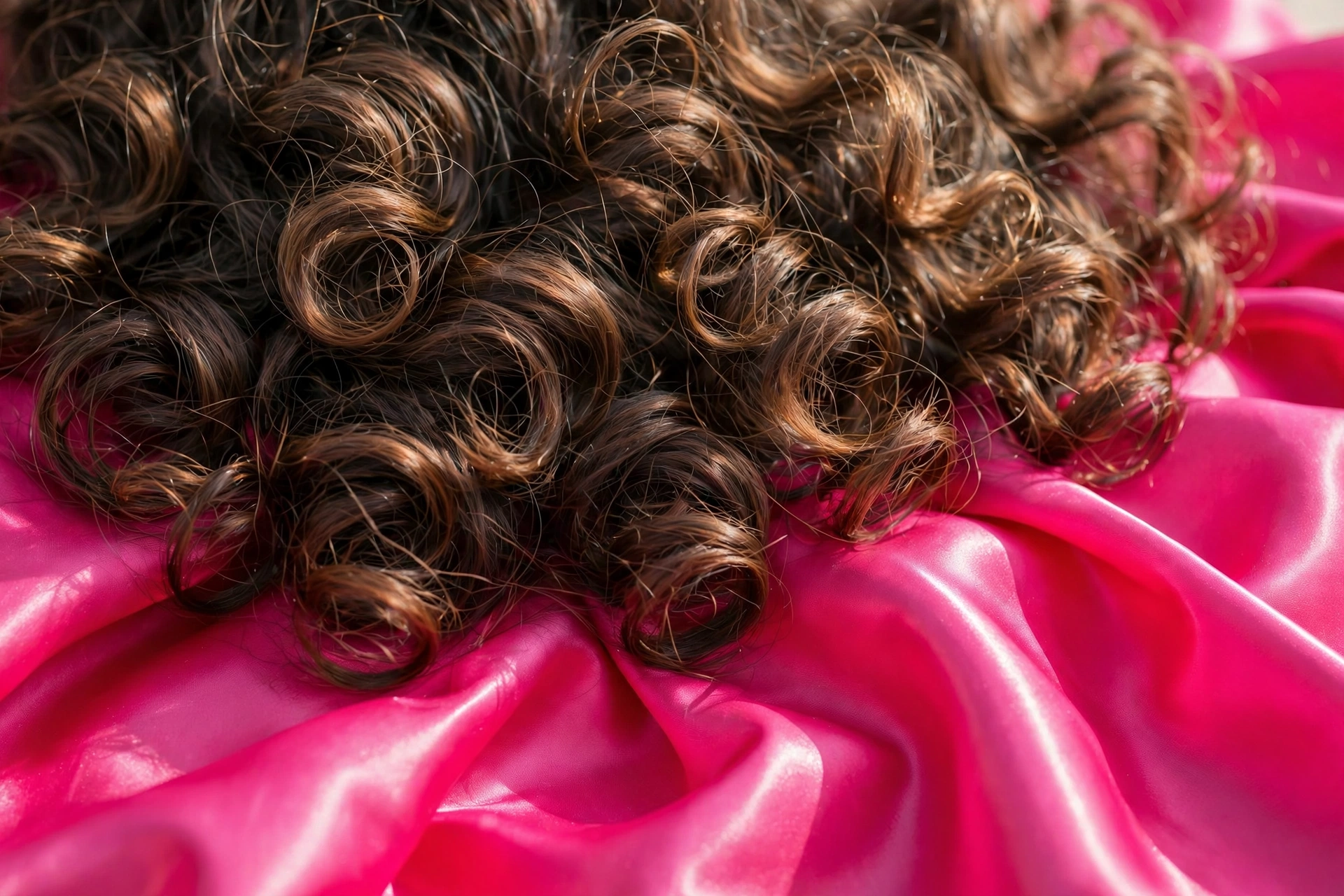
Less mechanical breakage. Hair breaks when it catches and pulls. A smooth surface catches less. This matters most for long hair, fragile bleached hair, and tight curl patterns that knot easily.
Less frizz. Frizz is raised cuticles plus flyaways. Friction raises cuticles. Satin raises fewer of them. The effect is visible by morning, not dramatic in week one.
Style preservation. Pineapples, twists, braids, and blowouts last longer on satin because nothing roughs them up overnight. This is satin’s most practical win: fewer restyles, less heat reapplication, less cumulative damage.
Moisture retention. Leave-in products and natural oils stay on the hair shaft instead of migrating into a cotton pillowcase. Color-treated hair, which is porous and dries fast, benefits here.
What satin cannot do for your hair
This is where most seller content goes quiet, so let’s be loud about it.
It will not repair damage. Split ends, chemical breakage, heat damage: satin cannot mend any of it. It only stops adding new damage. If your ends are fried, a trim does what no pillowcase can.
It will not make hair grow. Nothing you sleep on changes your growth rate. Satin reduces breakage, so you keep more length, and kept length looks like growth. That distinction matters.
It will not fix your scalp. Dandruff, shedding, and thinning need a dermatologist or trichologist, not a fabric. Satin’s smooth face is gentler on irritated scalps, but gentler is not treatment.
It will not clear acne. Dermatologists are consistent on this: a pillowcase cannot cause acne, but a dirty one can aggravate it. Wash satin pillowcases every two to three nights. The fabric choice is secondary to the washing habit.
It will not erase wrinkles. On skin, the evidence is modest. Dermatologist Dr. Toral notes satin is unlikely to reverse or prevent true deeper wrinkles. Less friction means less morning creasing, which is real and visible, but it is not skincare.
satin vs silk pillowcase comparison covers the skin claims in more depth if you want the full picture.
Satin vs silk for hair: the honest version
Here is the confusion, stated plainly: silk is a fiber, satin is a weave. A “satin bonnet” is almost always polyester satin. A “silk bonnet” is silk fiber, often woven as satin too. You are comparing a cheap synthetic weave against an expensive protein fiber.
Silk has a slight edge. It is naturally breathable, less static-prone, and its protein structure is gentler on a microscopic level. Polyester satin wins on price by a mile and matches silk on the two things that matter most: low friction and low moisture absorption.
The practical difference is small. That is not my opinion alone; hair-care reviewers who have tested both keep landing in the same place. Buy the polyester satin bonnet, pocket the difference, and spend the savings on a decent leave-in. If you sleep hot or hate static, silk earns its premium. Otherwise it doesn’t.
One trap to avoid: “silk satin” on a label with a polyester price. Read the fiber content, not the marketing words. Our satin vs silk guide has a full label decoder.
Bonnet, pillowcase, or scrunchie?
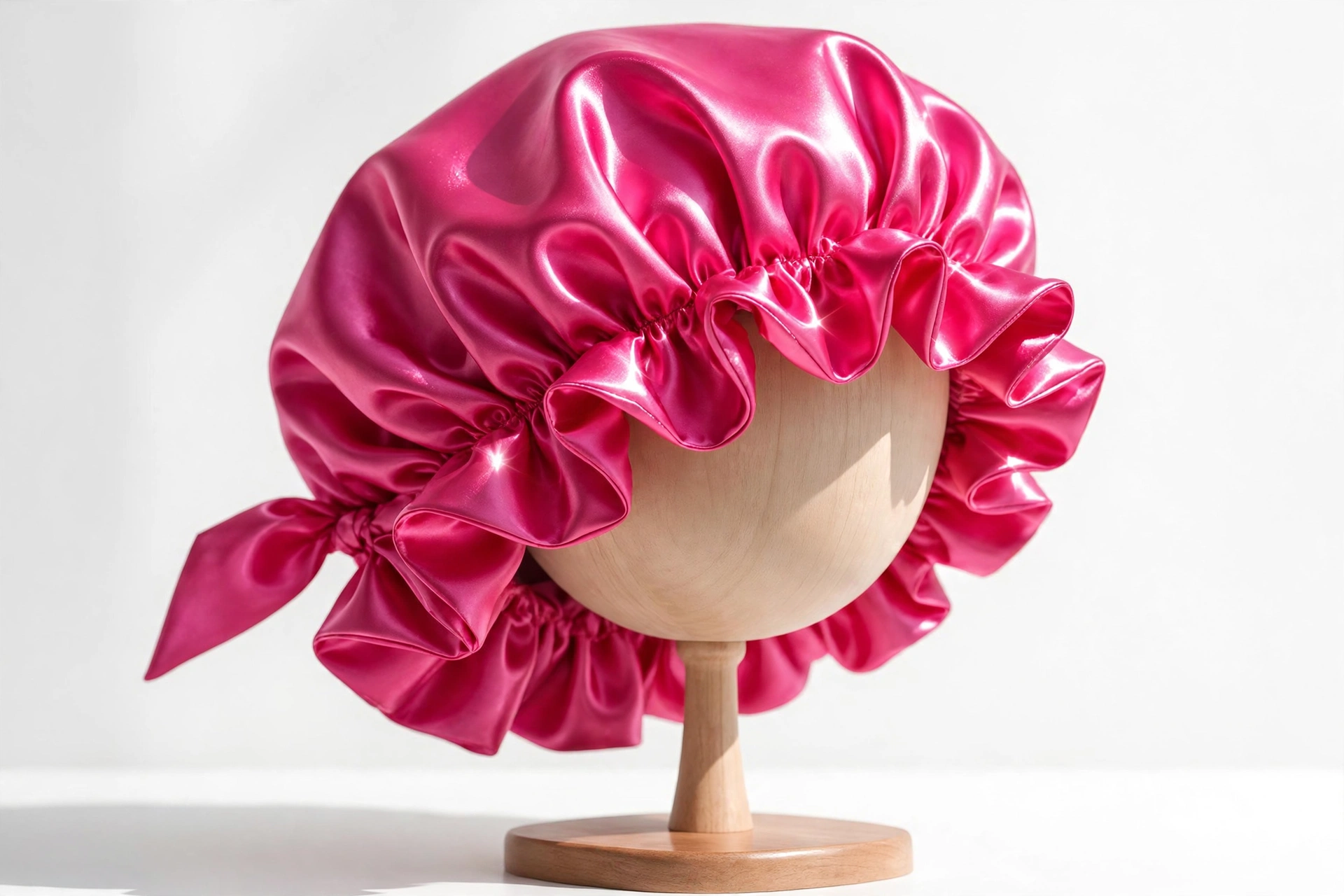
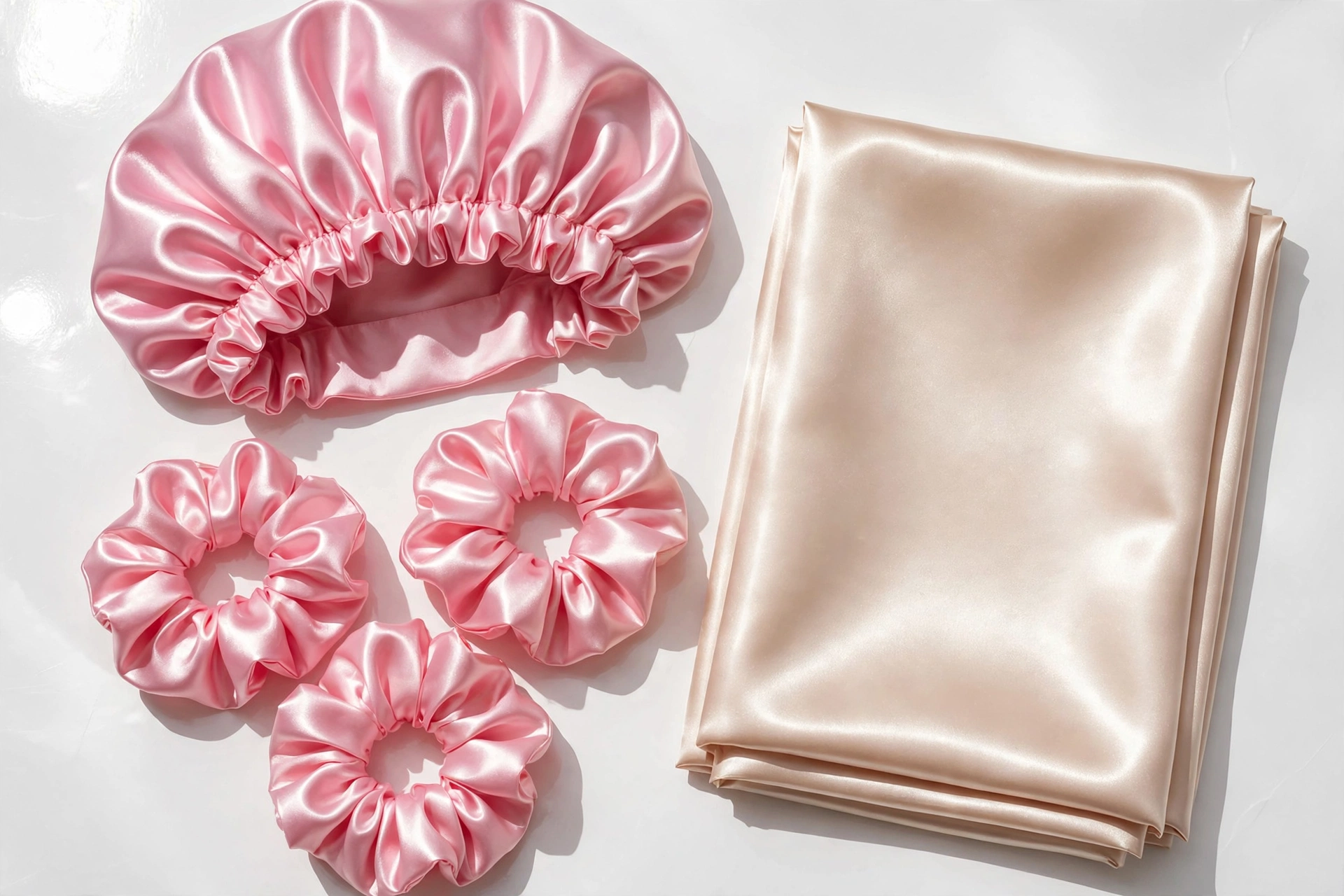
Bonnets give full coverage. Every strand stays inside, which is why protective styles last longest under one. The known problem is slipping: bonnets slide off mid-sleep, and a tight band trades slippage for edge damage. An adjustable band or a drawstring style solves most of it. Wide-band and XL sizes exist for long, braided, or loc’d hair. Details are in the satin bonnet guide.
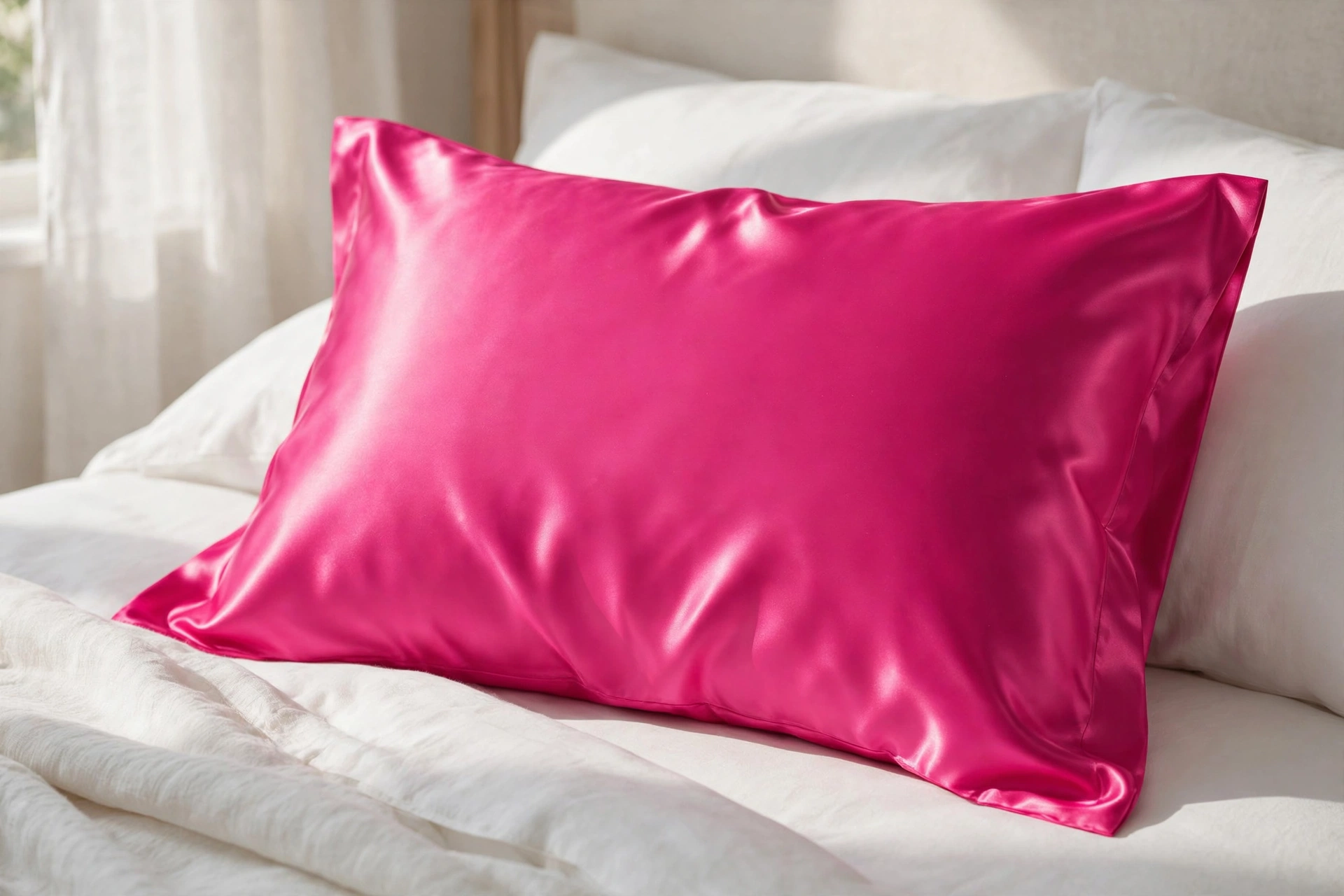
Pillowcases protect only the hair that touches the pillow, but they stay put and need no fitting. Many people use a pillowcase as the backup for nights the bonnet comes off. If you buy one satin hair product, make it the pillowcase: it also helps skin and requires zero learning curve. The satin pillowcase buying guide covers what to look for.
Scrunchies work through friction reduction plus pressure distribution. A satin scrunchie grips with less pulling than a plain elastic, and the smooth surface avoids the tie dents and snapped strands of rubber bands. Silk has a slight edge here too, satin is the budget pick. Neither fixes a too-tight ponytail: loosen the style first.
Which hair types benefit most?
Curly and coily hair. Friction is the enemy, and curls create the most of it. This group sees the biggest change: fewer tangles, better curl definition in the morning, less breakage at the crown.
Fine hair. Static and tie dents are the main complaints. Satin scrunchies and pillowcases help; expect some static from polyester satin in dry weather.
Thick hair that goes to bed damp. Damp hair plus cotton equals frizz and mildew risk in the pillow. Satin’s low absorption keeps the moisture in the hair, not the bedding. Still: damp is not wet. Towel-dry first.
Color-treated hair. Porous, dry, fragile. Satin keeps conditioning treatments on the hair and reduces the friction that lifts color. It will not stop fading from washing, sun, or heat.
Straight, low-maintenance hair. The benefit is real but subtle: less morning frizz, fewer tangles. A pillowcase is plenty; a bonnet is overkill for most.
How to buy satin hair products without getting fooled
Check the fiber, not the word “satin.” Polyester satin is the default and it works. If you are paying silk prices, the label must say silk (mulberry silk if you want the good stuff) with a momme weight. “Satin” alone on a label tells you the weave, nothing about the fiber.
Feel for the back. Real satin weave has a shiny face and a dull back. If both sides shine equally, be suspicious.
Watch the elastic. Bonnets with latex elastic bands irritate latex-sensitive skin. Look for spandex or adjustable drawstrings instead.
OEKO-TEX Standard 100 on a label means the fabric was tested for harmful substances. It is a safety certification, not a sustainability one, but for something that touches your hair and skin nightly, it is worth having.
Price anchor. A decent polyester satin bonnet or pillowcase costs little. If someone charges silk money for “premium satin” with no fiber content listed, walk away.
FAQs
Is satin good for curly hair? Yes. Curly and coily hair tangles and snaps more than straight hair because of friction, and satin’s smooth face is the direct fix. A bonnet gives full coverage; a pillowcase is the low-effort alternative. Expect fewer tangles and better morning definition, not a curl-pattern change.
Does satin help hair grow? No product makes hair grow faster. Satin reduces breakage, so you retain more length, which looks like growth over months. The mechanism is kept length, not faster growth.
Is silk or satin better for hair? Silk has a slight edge in breathability and static, but most of the benefit comes from the smooth weave, which polyester satin also has. The practical difference is small. Polyester satin is the value pick; silk is the upgrade for hot sleepers.
Can a satin pillowcase cause acne? It cannot cause acne, but any dirty pillowcase can aggravate it. Wash satin pillowcases every two to three nights. Fabric choice matters less than washing frequency.
Do I need a bonnet if I have a satin pillowcase? Not necessarily. A pillowcase protects the hair touching the pillow and never slips off. A bonnet protects everything and preserves styles longer. Many people use the pillowcase as backup for nights the bonnet slides off.
Is polyester satin bad for hair? No. It provides the low friction and low moisture absorption that do the work. Its downsides are static and less breathability than silk, both manageable. Most satin hair products are polyester, and they work.
Can satin damage hair? The fabric itself, no. A too-tight bonnet band can damage edges through tension, and sleeping with soaking-wet hair under any cover invites breakage. Loosen the band, towel-dry first.
How often should I wash satin hair products? Pillowcases every two to three nights, bonnets weekly, scrunchies when visibly dirty. Product buildup on the fabric transfers back to hair, undoing the benefit.
The trust note
Every comparison in this guide is independent. No silk seller funded it, which matters because most satin-vs-silk content online is written by companies selling silk. The friction and moisture numbers come from published textile data, cited where used. If you spot an error, say so: corrections go in fast, and the article date updates when they do.