


Is Satin Breathable? The Honest Answer Depends on the Fiber
Ask a shop assistant if satin breathes and you will get a one word answer. That answer will be wrong half the time. Satin is not one cloth with one fixed behavior in heat. It is a weave, and the fiber woven into it decides how it handles air and sweat.
That is why two satin blouses can feel like different garments on the same hot afternoon. One lets heat escape. The other clings and stays damp. The label tells the story, if you know which line to read. This guide explains what breathable means, why the weave matters, and how each satin fiber behaves in warm weather.
What does breathable actually mean for a fabric?
Breathable means a fabric lets moisture vapor pass through it and lets heat leave the body, instead of trapping both against the skin in a warm, damp layer that feels sticky, heavy, and hot on a summer day for hours while you sit still in a closed room.
That short definition hides two different jobs. Air permeability is air moving through gaps in the cloth. Moisture vapor transmission is sweat vapor moving through the cloth, often by a slower path through fibers and finishes. A cloth can do one job well and the other poorly. A loose cloth can pass air while holding vapor in its fibers.
For a wearer, both jobs matter. Air movement cools the skin and clears the warm pocket under a garment. Vapor movement stops sweat from pooling. When both fail, warm air sits still and dampness stays put. When both work, a garment feels cooler.
Watch out for labels that use breathable as a promise with no test behind it. A maker can call a cloth breathable because air passes through it in a lab, or because it wicks sweat along fiber surfaces, or because it feels light in the hand. Check the fiber, the weight, and the fit, because those facts predict comfort better than a marketing word.
Why does the satin weave itself change airflow?
The satin weave changes airflow because its long floats cover the surface with few gaps, so air has fewer open paths through the cloth than it finds in a loose plain weave made from the same yarn in the same weight.
The George Washington University Museum and The Textile Museum describes satin weave as warp yarns floating long distances over weft yarns before crossing under. The Museum of Fine Arts, Boston, materials database gives the same picture in numbers, with each weft strand floating over 3 to 12 warp strands then under a single strand. Those long floats are why satin shines. They also close up the cloth.
That does not make every satin airtight. Yarn thickness, thread count, and finish all open or close the cloth further. A light satin with fine yarns and a loose set will pass more air than a heavy satin packed tight for evening wear. A backed or lined satin adds a second layer that cuts airflow again. The making guide on this site explains yarn, loom, and finish in plain steps.
Think of the weave as a starting point, not a verdict. Satin starts denser than an open weave. The fiber then decides whether vapor can move through the fibers, and the cut decides whether air can move under the cloth. A loose satin dress with room under the arms will feel cooler than a tight one in the same cloth.
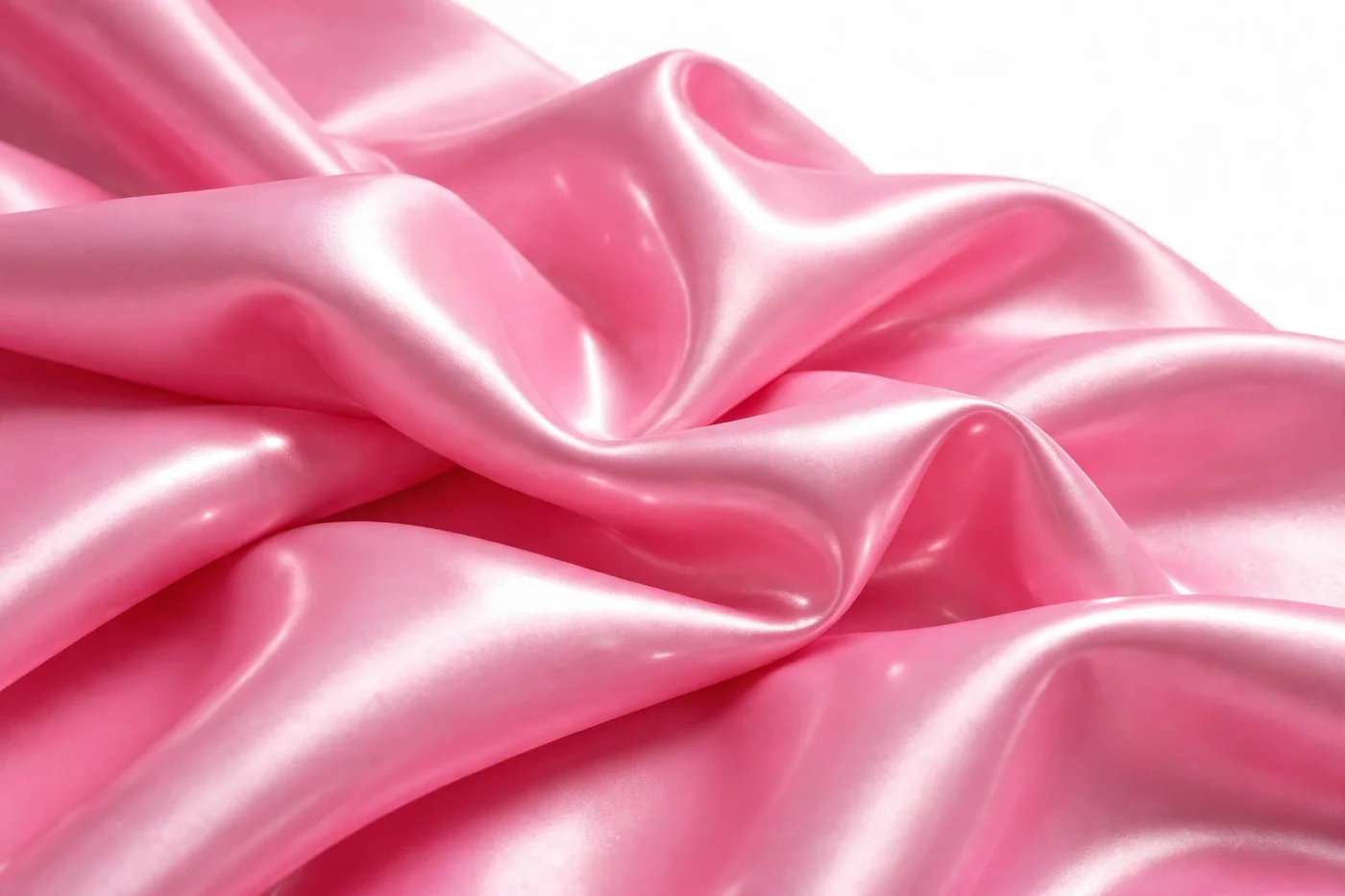
Is silk satin breathable?
Yes, silk satin breathes well for a satin, because silk fiber takes up moisture vapor and releases it, while the light, smooth cloth drapes away from the skin and lets air move under it on a warm day with ease.
Silk has a long record as a warm weather fiber, and the reason sits in the fiber itself. Silk absorbs vapor into its structure, which helps move dampness away from the skin. It also feels cool at first touch, because it does not hold heat in a thick, still layer. In a satin weave, that fiber behavior softens the weave penalty. The cloth is still denser than plain weave silk, so it will not breathe like a silk voile. It will still beat a polyester satin on the same body, in the same cut, on the same day.
The limits matter too. Silk satin shows water marks, and sweat marks can stay visible after a hot day. It needs gentler washing, and it costs more than polyester satin. For a pillowcase or a nightdress, those tradeoffs often pay off, because the cloth sits against skin for hours. For a jacket worn for an hour at an evening event, they may not matter.
Buy silk satin for heat when the piece is light, unlined, and cut with room to move. Skip it when the piece is backed, boned, or worn under a coat, because those layers cancel the fiber advantage. Check the label for 100 percent silk, and check the back of the cloth.
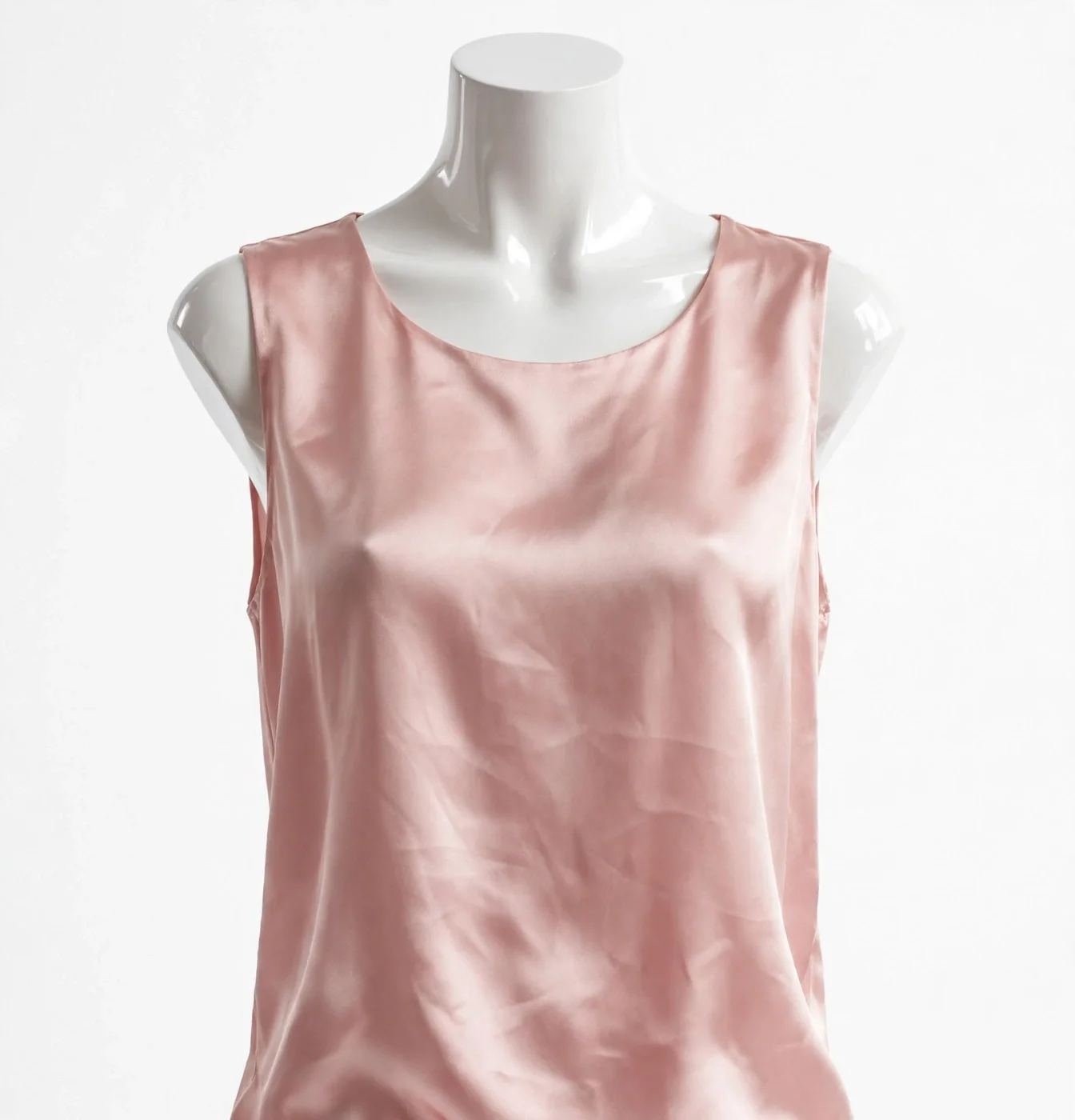
Is polyester satin breathable?
No, plain polyester satin is a poor choice for hot weather, because polyester fiber takes up very little moisture, so sweat stays on the skin or in the gaps of the cloth instead of moving through the fiber itself at all.
A peer reviewed study of polyester comfort puts the point plainly. It says comfort depends on air permeability, moisture management, and heat transfer together, and it reports polyester fiber moisture content of about 0.4 percent, with untreated polyester fabrics that do not perspire and that promote sweating at raised temperatures more than cotton. The same study notes that treatments can raise moisture content, which is why some modern polyester satins feel better than cheap, untreated ones. It rarely turns polyester satin into a cool weather cloth.
In practice, polyester satin feels warm for three reasons that stack up. The fiber resists vapor. The weave closes the cloth. The smooth face clings when damp, so the warm layer stays glued to the skin. On a cool evening, that stack feels fine. In a hot room, it feels stuffy fast, and dampness lingers after you stop moving.
That does not make polyester satin useless. It dries fast once you take it off, it resists wrinkles, and it costs far less than silk satin. For short wear, costumes, table covers, and cool weather events, those wins count. For a full day in heat, sleep, or exercise, pick another fiber. If you must buy it for warm weather, choose the lightest weight, a loose cut, no lining, and a wicking finish named on the label.
What about cotton sateen, rayon satin, and nylon satin?
Cotton sateen breathes best of this group, rayon satin sits in the middle with good vapor uptake but a tendency to stay damp in heavy weights, and nylon satin behaves much like polyester satin, with low vapor uptake and a warm feel in heat.
Cotton sateen deserves a clear note first, because its name confuses shoppers. Sateen uses the satin weave structure, but with cotton yarns, and usually with the weft yarns on the face. Cotton fiber takes up moisture, so cotton sateen handles sweat better than polyester satin and feels less clammy. It still has the satin weave penalty, so it breathes less than a cotton percale in the same weight. For sheets, that middle position often wins, because cotton sateen feels smooth and cool enough for sleep without the price or care demands of silk satin.
Rayon satin, often sold as viscose satin, takes up vapor well, which helps in the first hour of wear. It can feel cool and fluid at first touch. The catch is drying. Rayon holds moisture longer than cotton in some weights, and a damp rayon satin can feel heavy once sweat builds up. It also wrinkles. For a dress worn for a few hours in mild heat, rayon satin works. For a long, sweaty day, cotton sateen or silk satin will feel steadier.
Nylon satin is strong and light, and it dries fast, but its vapor uptake is low, so it traps heat like polyester satin. It suits linings, dancewear, and pieces where strength matters more than airflow. It does not suit sleep or hot weather daywear. Acetate satin, found in linings, sits near nylon, with low vapor uptake and a warm feel.
| Satin type | Moisture behavior | Airflow feel | Best warm weather use | Watch out for |
|---|---|---|---|---|
| Silk satin | Takes up vapor and releases it | Good for a satin, light drape | Nightwear, pillowcases, light dresses | Water marks, gentle washing, price |
| Polyester satin | Very low uptake, sweat stays on skin | Poor, dense and clingy when damp | Short cool evening wear, costumes | Heat buildup, damp cling, odor after long wear |
| Cotton sateen | Takes up moisture well | Fair, smoother than percale but less open | Sheets, day dresses, shirts | Less shine than silk satin, wrinkles |
| Rayon satin | Good uptake, slow drying in heavy weights | Fair to good at first, heavy when damp | Light dresses for a few hours | Damp weight, wrinkling, wash care |
| Nylon satin | Low uptake, dries fast off the body | Poor in heat, strong and light | Linings, dancewear, short wear | Heat trapping, static, warm linings |
Does a satin pillowcase breathe better than a satin dress?
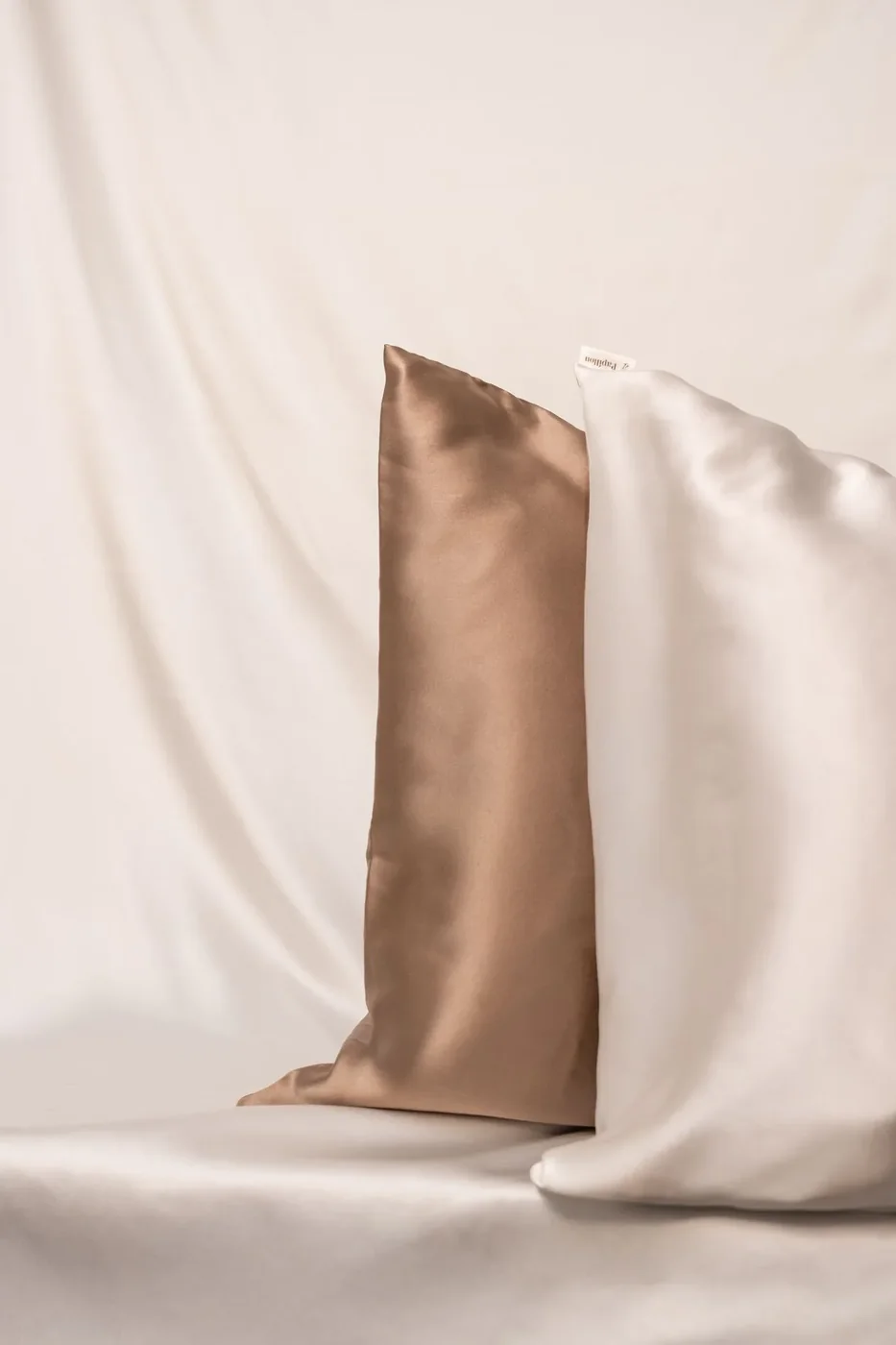
Yes, a satin pillowcase usually feels cooler than a satin dress in the same fiber, because it covers less skin, carries no lining, and sits against hair and a pillow instead of wrapping a warm torso all night long on a hot summer night.
Fit and coverage explain most of the gap. A dress wraps the torso, the arms, and often the back, and it traps a warm layer all around the body. A pillowcase touches one side of the head for hours, with air free to move around the other sides. Many dresses add a lining, a facing, or a slip, and each layer cuts airflow. A pillowcase has one layer, plus the pillow inside it. A foam pillow that holds heat will warm it from inside, while a cooler pillow lets the case do its job.
Hair adds a second twist. Satin pillowcases are sold for hair care, and the smooth face cuts friction, which helps hair slide instead of catching. That smooth face does not change vapor behavior much. A silk satin pillowcase will still handle head sweat better than a polyester satin one. If you wake with a damp neck in summer, switch fiber first, then weight, then pillow fill.
How can you test breathability before you buy?
You can test breathability at home with four plain checks, and together they predict comfort better than any single claim on a hang tag, a label, or a product page for a satin garment in a shop and spend your money with care.
First, read the fiber line and the weight. A 100 percent silk or cotton sateen piece starts ahead of a 100 percent polyester piece. A blended piece needs a closer look, because a small share of cotton in a polyester satin will not fix the vapor problem. A heavy satin blocks more air than a light satin in the same fiber.
Second, hold the cloth to light and blow through it. Hold a single layer up to a lamp and look for an even, dense surface with few gaps. Then blow through it from a few inches away. Air should pass, but a dense satin will resist more than plain weave cotton. This rough check works best for comparing two pieces side by side.
Third, check the back, the lining, and the seams. Turn the piece inside out. A lined bodice, a bonded facing, or a second layer at the back will cut airflow even when the face cloth breathes well. Tight openings trap air inside the garment, so check the neck, arms, and hem.
Fourth, wear it at home for an hour before the event. Walk around, sit down, stand up, and check where dampness gathers: underarms, back, and waistband. If the cloth clings and stays damp after you cool down, it will feel worse at an event. Keep the tags on until this home test passes.
How do you make satin feel cooler in summer?
You make satin feel cooler by cutting layers, opening airflow, and picking a fiber that moves vapor, because no single trick fixes a dense, lined, polyester satin garment in a long heat wave outdoors on the hottest days with no shade.
Start with the cut. Choose a loose shape with room under the arms and at the waist, and a neckline that lets warm air rise out. A sleeveless satin top will feel cooler than a long sleeve satin blouse in the same cloth, because more skin meets moving air. A loose skirt will vent better than a tight pencil shape.
Next, cut the layers. Skip the slip if the dress does not need it. Skip a lined jacket over a satin top on a hot day. Wear a single satin layer next to skin, and let any outer layer be open at the front.
Then, manage sweat before it builds up. Change out of a damp satin piece when you get home, and hang it where air moves, because a damp satin left in a bag will hold odor and marks. Wash satin by its fiber care label, and dry it flat or on a hanger away from direct heat. For sleep, pair a silk satin or cotton sateen pillowcase with a cooler pillow.
When should you skip satin and pick something else?
Skip satin for long, sweaty work, for workouts, and for hot days when you cannot change clothes, because its dense weave and smooth face trap heat and dampness when your body needs airflow most of all in summer and long days.
Workouts are the clearest case. A satin top will cling, warm up, and stay damp, while a knit made for sport will move sweat and air by design. The same logic applies to a long outdoor shift, a summer hike, or errands in a heat wave. In those settings, satin is the wrong tool, even in silk, because the weave still limits air and the face still clings when wet.
Formal heat is a closer call. A silk satin dress for a two hour evening event in a cool room can work, and a cotton sateen shirt for a summer lunch can work too. A polyester satin suit for a full day wedding in August is a harder sell, because heat builds hour by hour. If you must wear satin for a formal hot day, pick silk satin or cotton sateen, keep the cut loose and unlined, and plan a change of clothes for the trip home.
Sleep is the middle case that trips many buyers. A satin pillowcase in silk or cotton sateen suits most sleepers, even in summer, because it covers little skin and room air moves around it. A full polyester satin sheet set wraps the whole body for hours. If you sleep hot, skip it, and spend first on the pillowcase fiber, then on sheets in cotton sateen or plain weave cotton.
Frequently asked questions
Is all satin hot to wear?
No. Silk satin and cotton sateen feel cooler than polyester satin and nylon satin, and a light, loose, unlined piece feels cooler than a heavy, lined piece in the same fiber. The weave adds warmth, but fiber and cut decide how much you feel.
Is silk satin cooler than polyester satin?
Yes, in warm weather. Silk fiber takes up vapor and releases it, while polyester fiber takes up very little, so sweat stays on the skin in polyester satin. The gap shows up fastest in a full day of wear or in sleep.
Does satin breathe better than cotton?
It depends on which cotton and which satin you mean. A plain weave cotton percale breathes better than any satin in the same weight, because its open structure passes more air. Cotton sateen breathes less than percale but more than polyester satin, because its cotton fiber handles vapor well.
Is a satin pillowcase good for hot sleepers?
A silk satin or cotton sateen pillowcase suits many hot sleepers, because it covers little skin and has no lining. A polyester satin pillowcase traps more heat, and a heat holding pillow underneath makes it worse. Pick fiber first, then pillow fill.
Can a finish make polyester satin breathable?
A wicking finish can help polyester satin move liquid sweat along fiber surfaces, and it can improve comfort for short wear. It rarely matches silk satin or cotton sateen over a full day, and finishes fade with washing, so expect the gain to shrink over time.
Is satin good for summer dresses?
Light silk satin and cotton sateen dresses work well for summer events, when the cut is loose and unlined and the day is not too long. Heavy polyester satin dresses feel hot and clingy in summer heat, and lined dresses trap more heat than their face cloth suggests.
Does satin lining make a jacket hotter?
Yes, in most cases. A satin lining adds a dense second layer, and acetate or polyester satin linings take up little vapor, so heat builds inside the jacket. An unlined jacket, or one lined in plain weave cotton or mesh, will feel cooler.
How do I choose satin for a wedding in summer?
Choose silk satin or cotton sateen in a light weight, with a loose, unlined cut, and test it at home for an hour before the day. Avoid heavy polyester satin and lined styles for a long summer wedding, and plan a change of clothes for the trip home if the venue has no cool room.


