Duchess Satin: The Complete Guide
What is duchess satin, exactly?
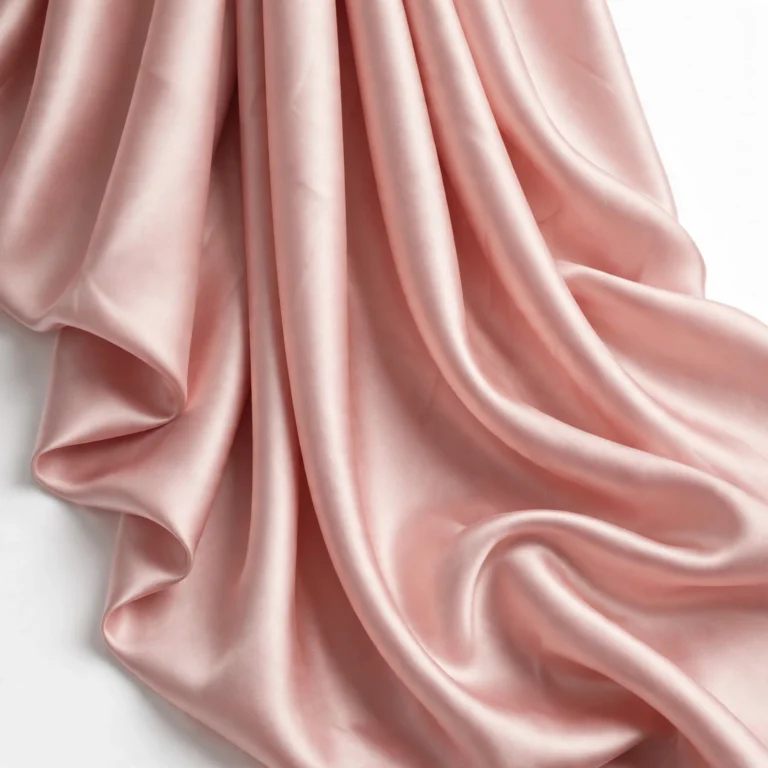
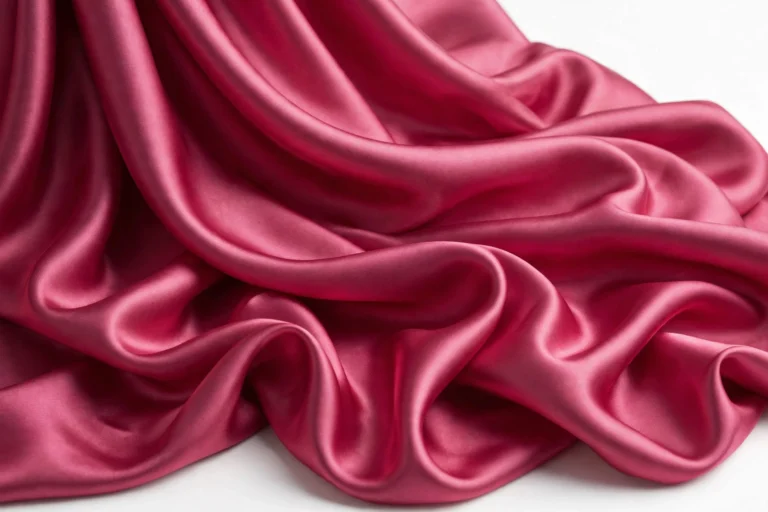
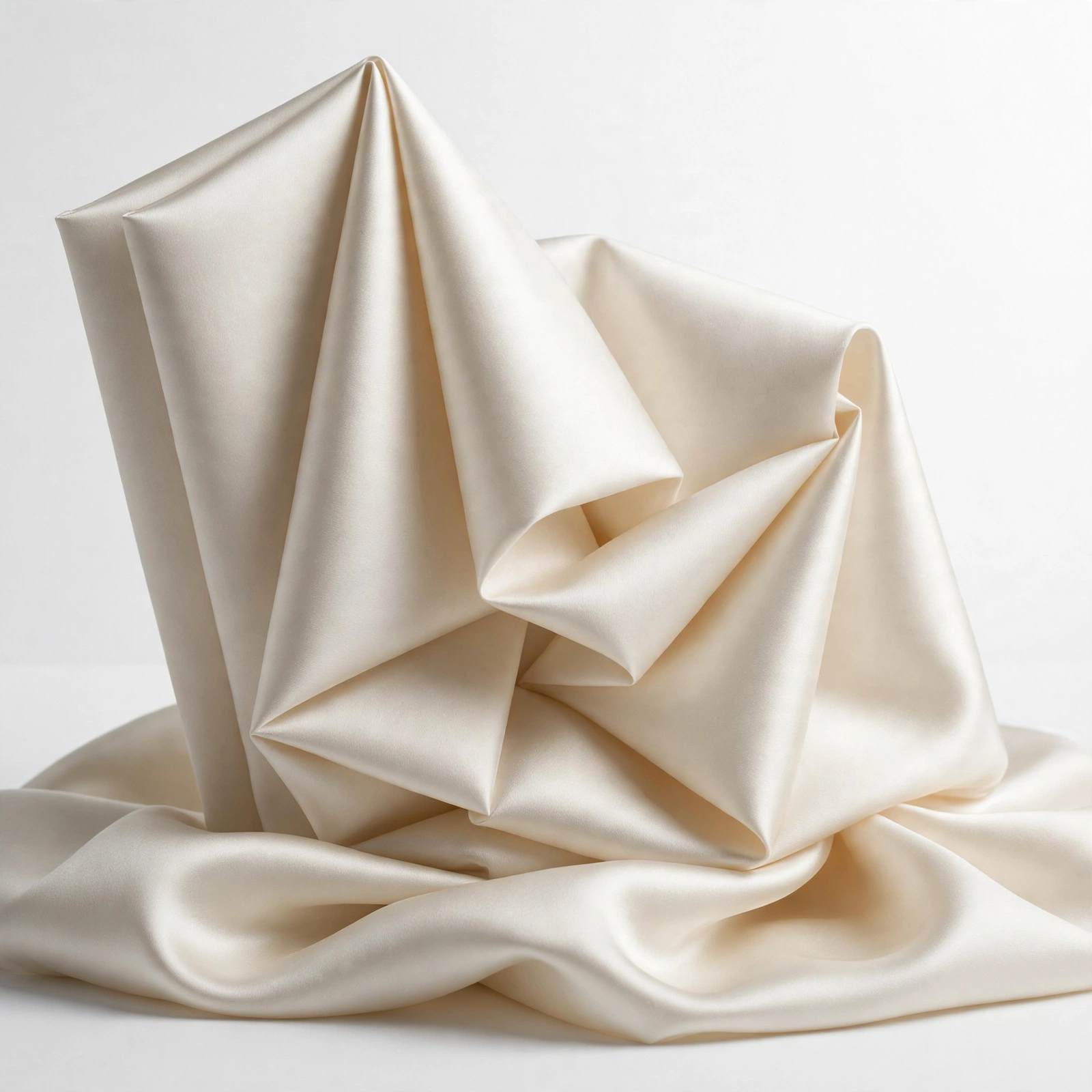
Duchess satin is a heavy, structured satin woven from very fine yarns with at least seven floating yarns per weave repeat. The fine weave and long floats produce a pearly, low-luster sheen instead of a wet mirror gloss. It holds its shape, resists wrinkles well, and stays nearly opaque. It was originally a French silk; most of what you buy today is polyester.
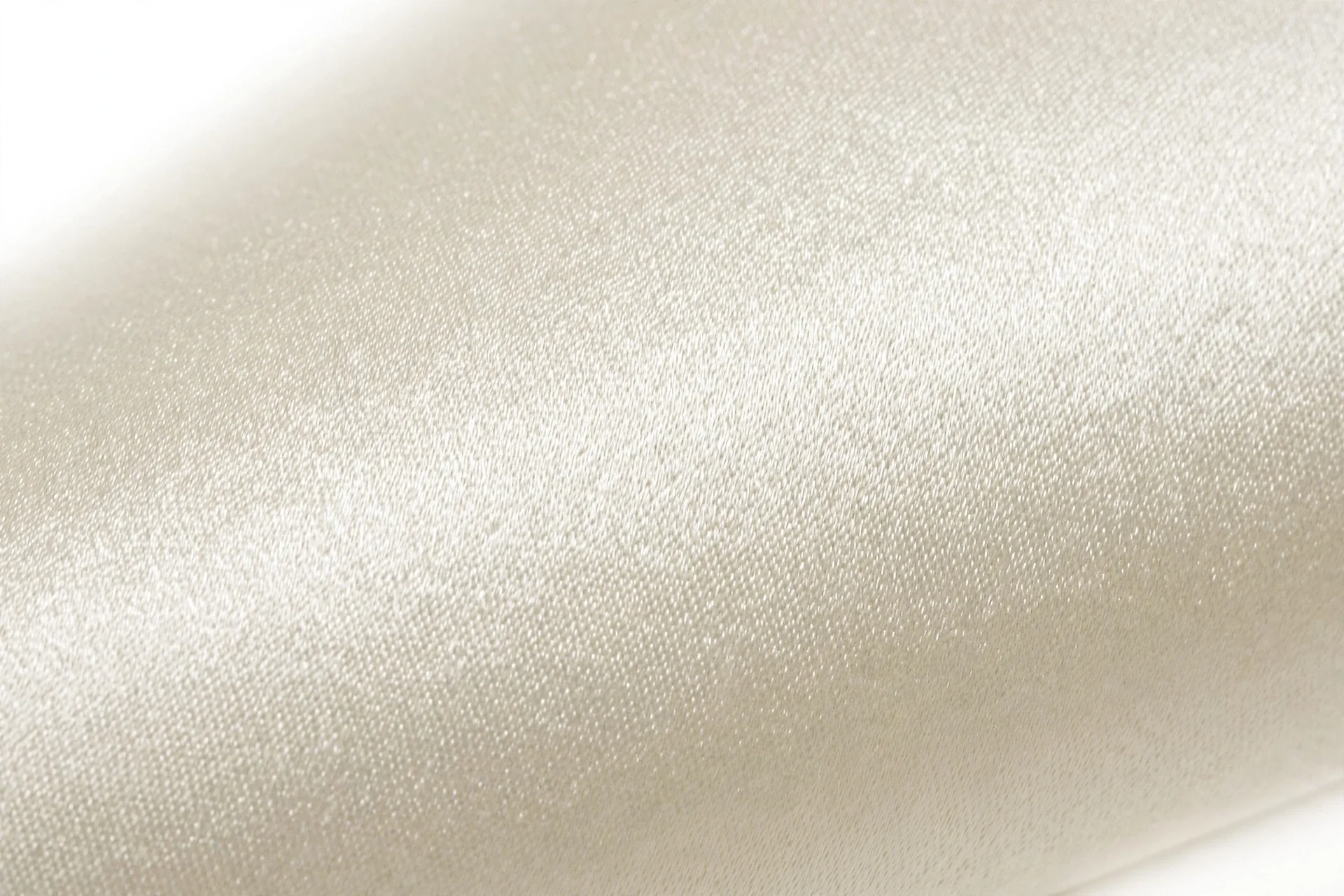
The mechanism is in the floats. A basic five-harness satin lets each yarn float over four crossing yarns before locking in. Duchess pushes that further: seven or more floats, woven from finer threads packed at a higher thread count. More yarn face, less interlacing, a denser and smoother surface. The reflection off that surface is what people call pearly. Charmeuse gives you a liquid mirror because its long floats sit on a light, fluid base. Duchess gives you the same long floats on a heavy, tight base, so the light comes back soft and controlled instead of glaring. That is the whole personality of the fabric in one sentence: shine with manners.
The tight packing does three things at once. It makes the cloth nearly opaque, because there is little open space for light to pass through. It gives the fabric body, because dense interlacing plus fine yarns equals a heavy, stable sheet. And it spreads crease pressure across more yarns, which is why a folded skirt springs back instead of holding a line. If you want the theory behind the weave family, how the satin weave works goes deeper.
Duchess, charmeuse, crepe-back, or bridal satin: which one do you actually need?
These are all satin weaves, but they behave like different fabrics on the body and under the needle. Picking wrong is the most common reason a satin project disappoints. Charmeuse is the fluid one, duchess is the architectural one, crepe-back is the two-faced one, and “bridal satin” is a label, not a weave. It usually means a heavy polyester satin, sometimes duchess, sometimes something lighter wearing the name.
| Duchess satin | Charmeuse | Crepe-back satin | Generic “bridal satin” | |
|---|---|---|---|---|
| Shine | Pearly, low luster | High gloss, liquid | Satin face, matte crepe reverse | Varies by batch |
| Weight | Heavy, 175-215 GSM poly | Light, very fluid | Medium, substantial | Usually medium-heavy |
| Structure | Holds its own shape | Clings, follows the body | Soft structured folds | Inconsistent |
| Wrinkle resistance | Good | Poor, creases fast | Better than charmeuse | Hit or miss |
| Opacity | Nearly opaque | Often semi-sheer | Opaque | Often opaque |
| Best for | Gowns, corsetry, tailored pieces | Bias slips, lingerie, flowing cuts | Reversible garments, tailored daywear | Budget bridal, decor |
My honest read: buy duchess when the design needs architecture. A-line skirts that stand away from the body, bodices that stay put, pleats that keep their memory. Buy charmeuse when the design needs movement. Buy crepe-back when you want options. And treat “bridal satin” as a vibe description until the label gives you fiber and weight. The wider family gets its own treatment in the complete guide to satin types.
Polyester duchess or silk duchesse: does the fiber change the fabric?
Same weave, different animal. The weave sets the structure; the fiber sets the hand, the care, and the price you pay.
Polyester duchess is what nearly every retail listing sells. It lands in a weight band of about 175 to 215 GSM, washes easily, resists creasing better than any natural fiber version, and holds a press through a long event. The tradeoffs: a slightly stiffer hand, and the sheen can read a touch more synthetic in harsh light. For a dress worn once or a bridesmaid lineup that has to survive a dance floor, polyester is the sane choice, not the cheap one.
Silk duchesse (spelled with the French ending in couture circles) is the original. Around 140 GSM in the classic silk weight, it keeps the structure of the weave but adds silk’s softness, breathability, and a sheen that looks lit from within rather than coated on. It wrinkles more readily than poly, needs dry cleaning, and costs multiples of the polyester price. This is the fabric behind the famous gowns: Queen Elizabeth II’s 1947 Norman Hartnell wedding dress was ivory duchess satin, heavily beaded, and Sarah Ferguson’s 1986 gown followed the same tradition.
One practical note. Blends exist, and they are often the sweet spot: some of silk’s hand with some of polyester’s forgiveness. If a listing just says “duchess satin” with no fiber named, assume polyester. Sellers who paid for silk always say so.
How heavy should duchess satin feel in your hands?
This is the fastest way to separate real duchess from a lighter satin wearing the name. Retail polyester duchess listings consistently cluster between 175 and 215 GSM. Pick up the fabric and let it fall over your hand: it should drape in slow, rounded folds with visible body, not flutter or collapse. Squeeze a handful and release. It should spring back with minimal creasing.
Hold it to the light. True duchess is nearly opaque; you should not read your fingers through it. If light passes easily, you are holding a lighter satin, whatever the label claims. Check the sheen at an angle. The surface should glow softly like the inside of a shell, not flash like patent leather. That pearly quality comes from the fine, densely packed yarns scattering light just enough to kill the glare.
Silk duchesse sits lighter, around 140 GSM, and feels it: still structured, but with more give and a softer hand. Do not mistake the lighter weight for lower quality. In silk, that weight is the classic couture standard.
Buy swatches before committing to yardage. Duchess varies more between mills than most fabrics, and a swatch tells you the true hand, sheen, and opacity in your own light. Pin it to a hanger overnight and watch how it settles. Gravity reveals what a folded sample hides.
What is duchess satin best for?
Duchess earns its reputation in garments that have to hold a shape for hours. The heavy, stable weave is doing structural work that lighter satins cannot.
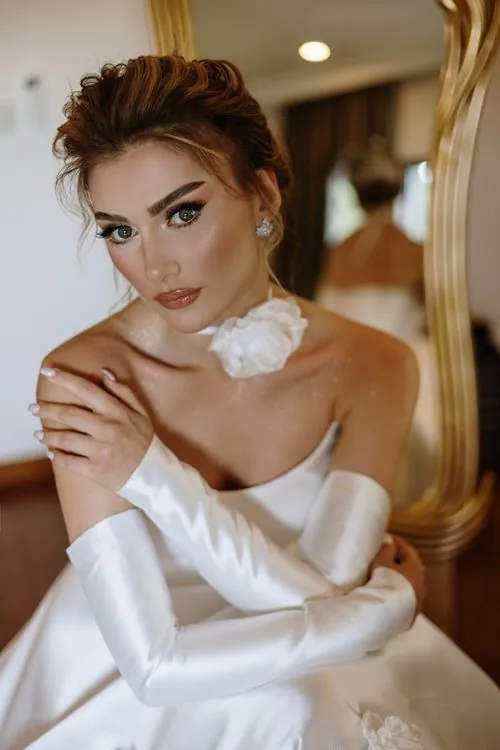
Wedding gowns. This is the fabric’s home turf. A duchess bodice stays molded to the torso without constant adjustment, the skirt holds pleats and sculptural folds, and the near-opacity means no lining battles. The wrinkle resistance matters here more than anywhere: a bride sits, stands, hugs, and dances, and the dress still photographs clean at midnight. Royal precedent runs deep, from Elizabeth II’s beaded Hartnell gown to generations of couture bridal since.
Structured eveningwear. Ball gowns, architectural cocktail dresses, anything with a defined silhouette. The fabric’s body does half the tailoring for you.
Bridesmaid dresses. Same logic as the bridal gown, scaled to a group: consistent structure across different body types, crease resistance through a long day, and a sheen that photographs without hot spots.
Corsetry and boned bodices. Duchess pairs beautifully with boning and interfacing because it does not fight the structure; it carries it. The weave is tight enough that boning channels stay put and the surface stays smooth over the foundation underneath.
Where it does not belong: anything that needs to flow. Slip dresses, bias-cut skirts, scarves, and lingerie want charmeuse’s fluidity. Cut a bias slip in duchess and it will hang like a lampshade. For gown-length drama with more movement, our satin dress guide covers which satin suits which silhouette.
Is duchess satin hard to sew?
Moderate difficulty, and here is the surprise: it is easier to sew than most lighter satins. Charmeuse slithers under the needle and shifts while you cut. Duchess has enough weight and body to stay where you put it. Beginners with a few woven garments behind them can handle it; total first-timers should practice seams on scraps first.
The rolling edges. Cut duchess and the raw edges want to curl toward the satin face. Press the edges flat before you cut, and finish every raw edge promptly: overlock, bind, or staystitch. Do not leave cut pieces sitting around unfinished; the curling gets worse with handling.
Hemming honesty. An invisible hem on duchess is genuinely difficult. The fabric is thick enough that even a careful hand stitch picking up a single thread can leave a faint ridge on the face. Many experienced sewists switch to interfaced hems or fusible hems on this fabric and accept the tradeoff. Test your hemming method on a scrap and check it in daylight before committing.
Interfacing is your friend. The fabric takes fusible interfacing well, and you should use it anywhere the design needs crispness: waistbands, collars, cuffs, bodice fronts, plackets. A strip of fusible inside a hem also stops the rolling cold. Match the interfacing weight to the fabric; too heavy and the garment turns to cardboard.
Needles, pins, and thread. A sharp microtex or universal needle in 80/12 or 90/14 handles the dense weave without snagging. Pin only inside seam allowances, because pinholes show on the satin face. Use a slightly longer stitch length than you would for quilting cotton, and press seams open with a press cloth rather than mashing them flat. The full satin sewing playbook lives in how to sew satin.
How do you wash and care for duchess satin?
Care follows the fiber, not the weave. Identify your fiber first, then treat accordingly.
Polyester duchess. The easy one. Machine wash cool on a gentle cycle, inside out, in a mesh bag if the garment has beading or delicate closures. Skip the dryer or use the lowest heat; hanging to dry is safer and the fabric’s wrinkle resistance does most of the work. Press on the wrong side with a press cloth on a moderate iron setting. Never press the satin face directly: a hot iron flattens the floats and leaves a shiny patch that does not recover.
Silk duchesse. Dry clean, full stop. Water can leave marks on silk satin, and the dense weave shows them. Between wearings, air the garment out and spot-treat only if you must. Store on padded hangers or rolled in acid-free tissue; sharp folds pressed into storage will need professional steaming to release.
Both fibers. Store duchess rolled rather than folded when you can, since fold lines are the one crease this fabric remembers. Keep it away from rough surfaces and Velcro; the fine yarns snag more easily than the heavy hand suggests. The per-fiber details live in how to wash satin.
Duchess satin vs “bridal satin”: are they the same thing?
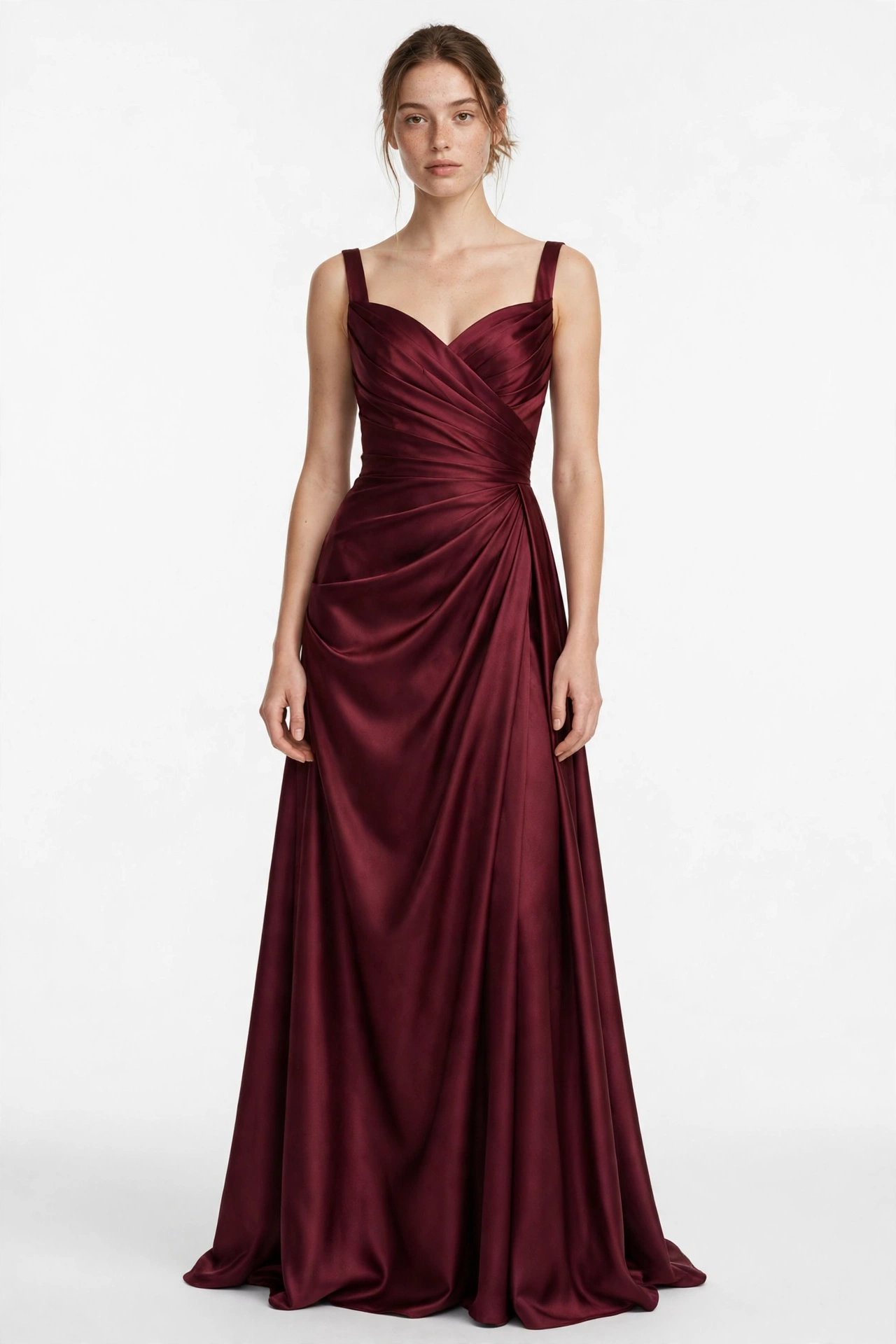
Usually, when a listing says “bridal satin,” it means a heavy polyester satin suitable for wedding garments. Sometimes that fabric is genuine duchess: fine weave, high thread count, long floats, the pearly sheen. Sometimes it is a lighter, looser satin with a shinier face riding on the bridal name. The terms get used interchangeably in retail, which is exactly why the label matters more than the headline.
True duchess has a technical definition underneath the marketing: a satin weave with very fine yarns, high thread count, and extended floats, historically seven or more per repeat. That construction is what produces the weight, the opacity, and the subdued luster. “Bridal satin” has no such definition. It is a use-case label, like “evening fabric.”
So read every listing like a detective. Check the fiber content: if it is not stated, assume polyester. Check the weight: genuine duchess listings usually state something in the 175 to 215 GSM range for polyester. Check for the words “no stretch,” which duchess should be. And be wary of product photos showing a wet, mirror-like gloss; that shine belongs to lighter satins, and a true duchess photo shows soft, pearly highlights instead.
None of this means “bridal satin” is a scam label. Plenty of good heavy satins sell under that name and sew up beautifully. It just means the name alone does not guarantee the duchess construction. Verify with weight, fiber, and a swatch.
What should you check before buying duchess satin?
Run this checklist before the fabric meets your scissors. Read the fiber content first: polyester for easy care and crease resistance, silk for hand feel and couture drape, and treat an unnamed fiber as polyester. Weigh it in your hand against the 175 to 215 GSM band; noticeably lighter usually means a different satin wearing the name. Hold it to the light and confirm near-opacity. Scrunch a corner and release it; it should spring back with faint creasing at most. Tilt it under a lamp and look for the pearly, controlled sheen rather than a harsh mirror flash. Finally, order a swatch and live with it for a day. Wash a corner if you plan to machine wash the finished garment, press it, and see how it behaves. Fabric that passes the swatch test rarely surprises you at the cutting table.
Frequently asked questions
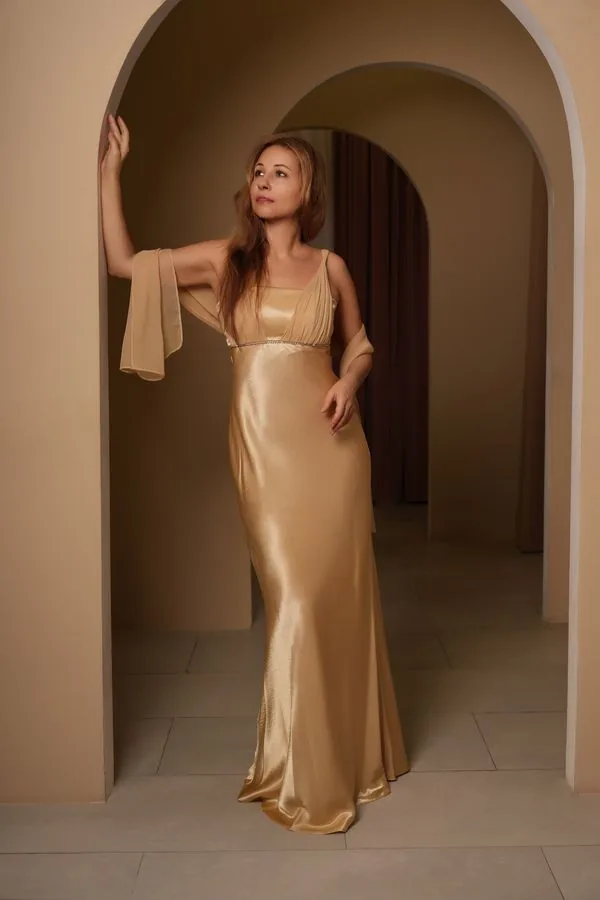
Is duchess satin shiny? It has a shine, but a restrained one. Expect a pearly, low-luster glow rather than the wet mirror gloss of charmeuse. The fine, densely packed yarns soften the reflection. If you want maximum shine, duchess is the wrong satin; if you want glow without glare, it is exactly right.
Does duchess satin stretch? No. Woven duchess has no mechanical stretch, and most versions contain no elastane. Fit has to come from the pattern: darts, seams, and closures. Do not buy it hoping it will give.
Is duchess satin good for wedding dresses? It is the classic wedding dress satin. The structure holds bodices and sculpted skirts, the near-opacity simplifies lining, and the wrinkle resistance keeps the gown photogenic through a long day. Royal and couture bridal history backs it up.
Can you iron duchess satin? Yes, on the wrong side with a press cloth. Polyester duchess tolerates a moderate iron; silk duchesse wants lower heat and benefits from a dry cleaner for anything serious. Never press the satin face directly, since a hot iron crushes the floats and leaves a permanent shiny patch.
Does duchess satin wrinkle? It resists wrinkles better than most satins, thanks to the dense weave and heavier weight. Day-to-day creasing is minimal. Sharp fold lines from long storage are the exception; those usually need steaming to release.
What is the difference between duchess satin and silk satin? Duchess describes the weave construction: heavy, fine-threaded, long floats, structured. Silk describes the fiber. Silk duchesse is both at once, the original couture version. Polyester duchess is the same weave idea in a synthetic fiber with easier care.
Is duchess satin see-through? Practically never. The high thread count and tight weave make it nearly opaque, even in light colors like ivory and champagne. That said, check your specific fabric against the light before cutting; quality varies between mills.
Can a beginner sew duchess satin? A careful beginner can, and it is more forgiving than charmeuse because the weight keeps it from shifting under the needle. The real challenges are hemming invisibly and managing the rolling cut edges. Practice both on scraps, interface where the pattern calls for stability, and you will be fine.