Satin Bonnets: The Complete Guide
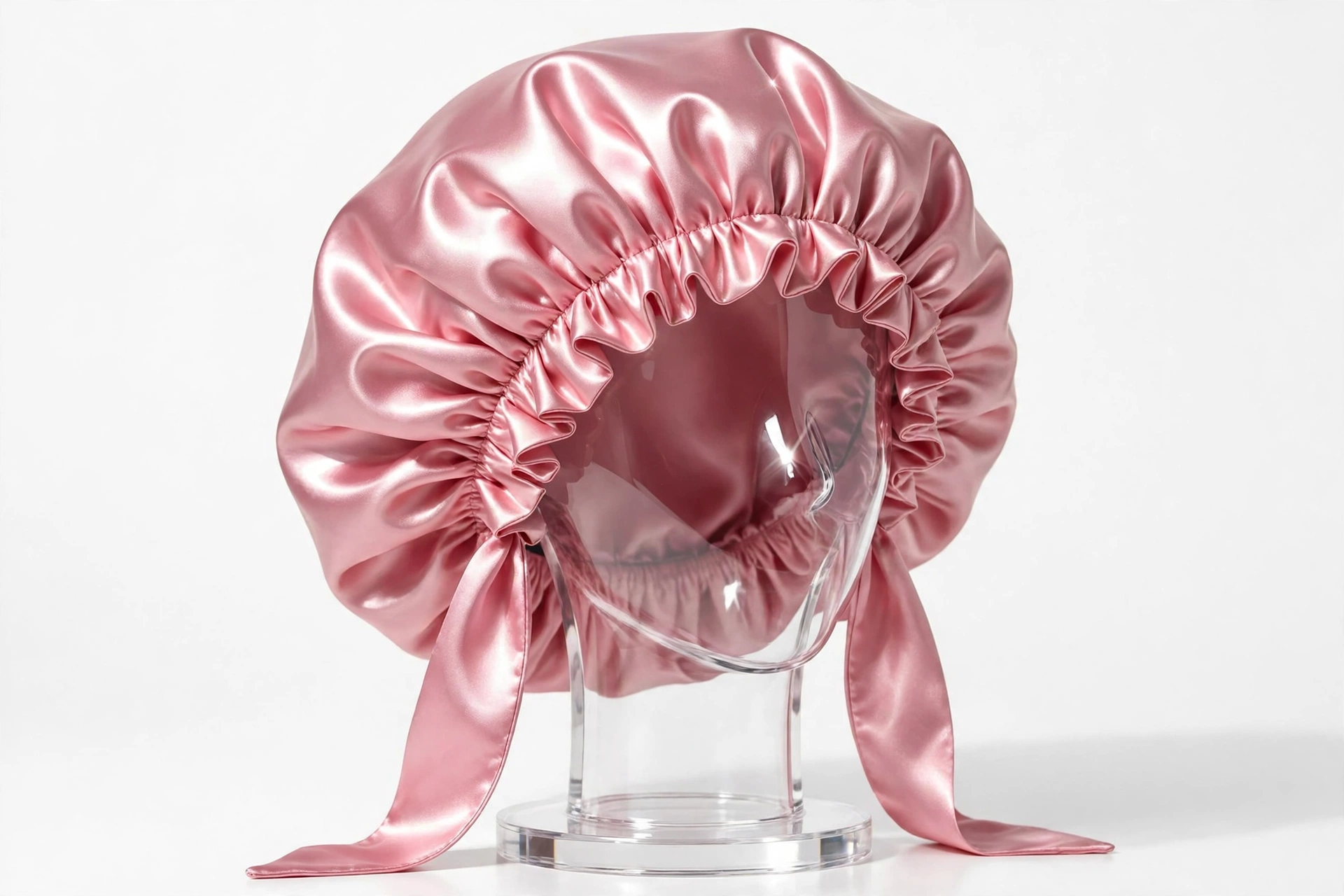
The satin bonnet is the hardest-working satin product per dollar. A few dollars of fabric, worn eight hours a night, doing exactly one job: keeping hair from rubbing itself to pieces against a cotton pillowcase while you sleep.
This guide covers what bonnets actually do, who benefits most, how to buy the right one, and how to care for it.
Do satin bonnets work?
Yes, for the job they are designed to do. The mechanism is the same as the pillowcase: the smooth satin face drastically reduces friction. Hair gathered inside a bonnet is not dragging across cotton with every turn of the head. Less dragging means less mechanical breakage, fewer tangles, less frizz, and better-preserved styles (twist-outs, braid-outs, silk presses) by morning.
The bonnet has one advantage over the pillowcase: it also holds the hair in place. A pillowcase protects the hair that happens to stay on it. A bonnet protects all of it, gathered and contained.
Who benefits most: curly, coily, and long hair; anyone preserving a style overnight; anyone whose morning routine starts with detangling. Straight short hair benefits least, though the friction reduction is still real.
why the smooth face protects hair
Silk vs polyester satin bonnets
Polyester satin is the standard bonnet material and the right choice for most people. The friction benefit is the whole product, and polyester delivers it at a price where replacing the bonnet yearly is trivial. It does not breathe well, but a bonnet is not bedding; most wearers never notice.
Silk satin bonnets exist at luxury prices. They breathe better and feel nicer, with marginally less static. The practical difference for most hair is small. Buy silk if the luxury matters to you, not because the hair outcome transforms.
“Satin-lined” caps and wraps split the difference: a structured outer with a satin interior. Good for daytime or for sleepers who find full bonnets uncomfortable.
Avoid bonnets lined with cotton or with a rough elastic band sewn against the hairline. The elastic edge is where cheap bonnets fail: it should be wide, soft, and covered in satin, not a thin rubber cord digging into the forehead.
silk vs polyester satin, honestly
How to choose the right size and fit
Bonnets fail on fit more than on fabric. Measure around your hairline where the band will sit, then check the seller’s size chart. The categories:
- Standard/medium: fits most short to medium hair and contained long hair.
- Large/XL: long, thick, or voluminous hair; locs; braids.
- Kids: smaller band, shallower cap.
The band should sit snug without pressure. Too tight and it leaves a mark and slides off at 2am; too loose and it migrates off the pillow entirely. Adjustable bands and tie closures solve most fit problems and are worth seeking out.
For very long hair, look for extra-long “pineapple” style bonnets that let the length hang inside rather than compressing it into a ball.
What to check before buying
Double-layer vs single. Double-layer satin bonnets last longer and protect better; single-layer is lighter and cooler. Either works; double is the safer buy.
Band quality. Wide, soft, satin-covered elastic. This is the part that touches your skin all night. Cheap thin elastic is the number one complaint in bonnet reviews.
Reversible. Many bonnets are reversible with a different color inside. Nice to have, not essential.
Stitching. Turn it inside out. Seams should be enclosed or flat, with no rough edges against the hair.
Fiber honesty. “Silk bonnet” at polyester prices is polyester. Read the fiber content.
which satin types suit bonnets
How to wash a satin bonnet
Hand wash cool with a mild detergent, squeeze gently, roll in a towel, and air dry. A bonnet is small; the whole job takes five minutes. Machine washing in a mesh bag on delicate works for polyester bonnets, but hand washing doubles the lifespan of the elastic, which is what actually wears out.
Wash weekly. It sits against your hair and scalp all night.
Never wring a bonnet. Twisting stretches the elastic and stresses the seams.
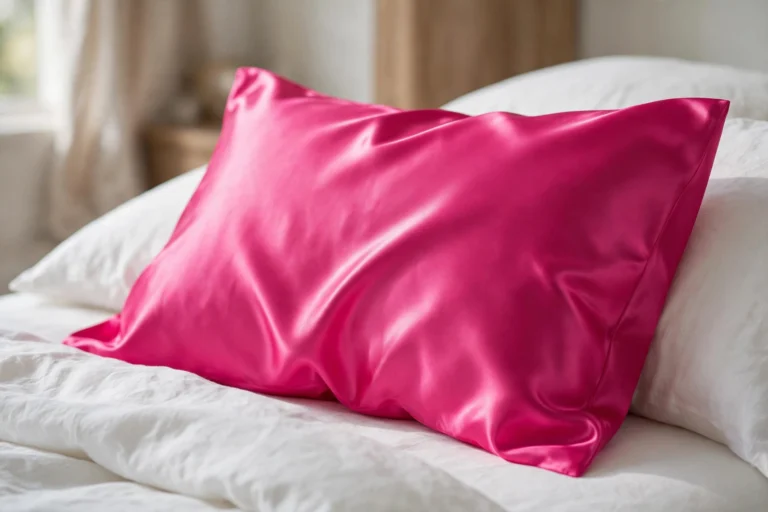
Satin bonnet vs pillowcase: do you need both?
They solve the same problem two ways. The bonnet contains and protects; the pillowcase reduces friction for whatever touches it. Together they are the full system, and this is the combination most people with curly or coily hair settle on.
If you buy one first, buy the bonnet. It protects more hair per dollar than anything else in this guide.
the satin pillowcase buying guide
Frequently asked questions
Do satin bonnets cause hair loss?
No, but a too-tight band causes traction and breakage at the hairline. Fit matters more than fabric here. If the band leaves a deep mark, size up.
Can you sleep in a satin bonnet every night?
Yes. That is what it is for. Wash it weekly.
Are silk bonnets better than satin bonnets?
“Better” is doing a lot of work. Silk breathes better and feels nicer; polyester satin matches it on the actual job (friction reduction) at a fraction of the price. Most buyers should save the money.
How long does a satin bonnet last?
The fabric outlasts the elastic. Expect six to twelve months of nightly use before the band loosens. Hand washing extends it.
Do bonnets work for straight hair?
They reduce friction and preserve blowouts, but the dramatic difference shows on textured and long hair. Straight short hair gains the least.
Why does my bonnet slip off at night?
The band is too loose, too tight (rebounding off), or the wrong size for your hair volume. Try an adjustable band or a tie closure.
Why trust this guide? It names the one real mechanism (friction), prices the luxury option honestly, and puts fit, the actual failure point, ahead of fabric marketing. No bonnet was sold in the making of this page.