Satin Pillowcases: The Complete Buying Guide
The satin pillowcase is the most bought satin product in the world and the most mythologized. Sellers promise younger skin, perfect curls, and the sleep of the just. The honest version is less magical but more useful: a satin pillowcase is a low-friction sleeping surface, and that one property explains everything it really does.
This guide covers what pillowcases actually do (with the marketing separated from the mechanism), the three materials worth comparing, a buying checklist, and care.
Are satin pillowcases good for hair and skin?
Here is the honest answer, mechanism first.
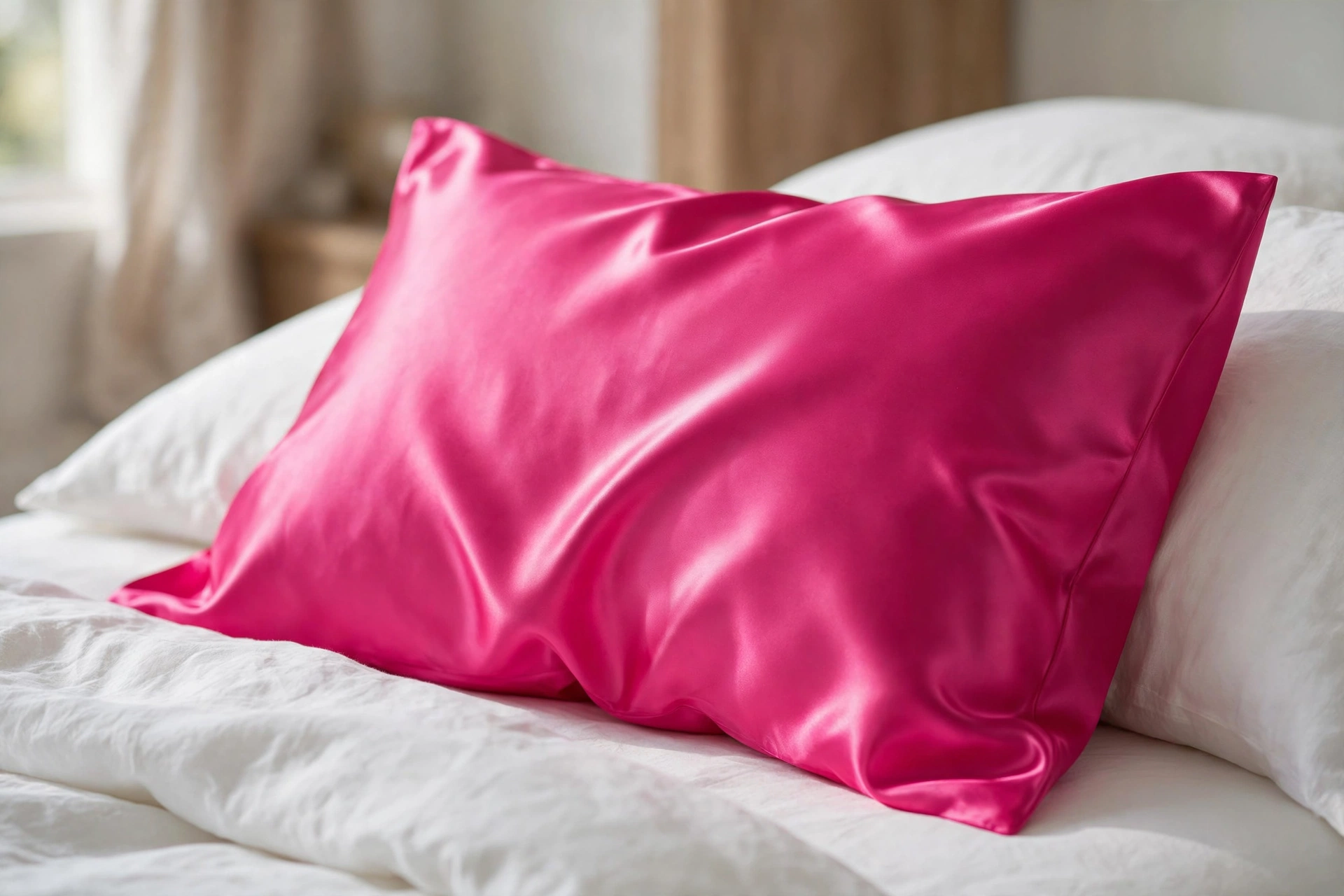
A satin pillowcase reduces friction between your head and the pillow. Less friction means less tugging on hair as you move in sleep, which means less mechanical breakage and less frizz by morning, especially for curly, coily, and long hair. For skin, the smooth surface means less dragging and fewer sleep creases pressed into the face overnight.
What it does not do: there is no good independent evidence that satin pillowcases prevent wrinkles long-term, clear acne, or change skin aging. Those claims come from sellers, not studies. Moisture claims (“satin doesn’t absorb your skincare”) are plausible for polyester satin, which absorbs almost no water, but the real-world difference versus cotton is modest.
So buy the friction benefit, which is real and noticeable from the first night. Discount the miracle claims, which are marketing.
why the smooth face reduces friction
Silk vs polyester satin vs cotton sateen
Three materials dominate pillowcase listings, and the choice matters more than the brand.
Silk satin (mulberry silk, charmeuse weave) is the luxury option. It breathes, regulates temperature, and absorbs some moisture without feeling damp. It is also expensive, needs delicate care, and water-spots. Worth it if you sleep hot or want the best hand-feel.
Polyester satin is the budget option and the honest value pick for most people. The friction benefit, the whole reason to buy, is nearly identical to silk. It sleeps warmer, feels less breathable, and can build static. At a tenth of the price, most sleepers will not feel cheated.
Cotton sateen is the third option hiding in plain sight. It is not as slick as satin, but it breathes like cotton, washes like a dream, and softens with age. If you want your pillowcase to feel like good bedding rather than a slide, sateen wins.
| Silk satin | Polyester satin | Cotton sateen | |
|---|---|---|---|
| Friction | Very low | Very low | Low-medium |
| Breathability | Excellent | Poor | Excellent |
| Temperature | Cool, regulating | Warm | Neutral-cool |
| Care | Hand wash / delicate | Machine gentle | Machine normal |
| Durability | Delicate, snags | Very durable | Pills slowly |
| Price | High | Low | Medium |
| Best for | Hot sleepers, luxury | Budget, kids, first try | Bedding feel lovers |
the full silk vs polyester satin comparison
What to check before buying
Fiber content first. “Satin pillowcase” alone means polyester. “Silk satin” should state mulberry silk and a momme weight. If a listing says “silk” at a polyester price, it is polyester.
Momme for silk (19-25 is the sweet spot). Below 19 momme, silk pillowcases feel thin and wear fast. Above 25, you pay for durability most sleepers do not need. Sellers who hide the momme are telling you something.
Envelope vs zipper closure. Envelope closures keep the pillow hidden and cost less. Hidden zippers keep the case from gaping and look cleaner. Avoid exposed zippers; the teeth snag the satin face.
Charmeuse vs plain satin. For pillowcases the difference is minor, but charmeuse (lighter, more fluid) drapes better over the pillow. Most good silk cases are charmeuse.
Size it right. A standard pillow in a king case slides around all night. Match the case to the pillow: standard, queen, or king.
One side or two? Double-sided satin costs more and both sides show wear. A satin face with a cotton back gives you the glide where your face lands and breathability underneath, often at a lower price.
Which pillowcase should you buy?
- Best overall value: polyester satin, envelope closure, from a seller with real reviews. Gets you the friction benefit for the least money.
- Best luxury: 22-momme mulberry silk charmeuse with a hidden zipper. Cool, breathable, beautiful.
- Best for hot sleepers: silk satin or cotton sateen. Skip polyester; you will feel the warmth by 3am.
- Best for curly and coily hair: silk or polyester satin, both sides satin, so the hair glides whichever way you turn.
- Best for kids: polyester satin. It survives the washing machine and the price of replacement is trivial.
- Skip: anything labeled “satin” with no fiber content, “silk” at suspicious prices, or exposed zippers.
charmeuse and other satin types
How to wash a satin pillowcase
Pillowcases get washed weekly, so pick a method you will actually follow.
Polyester satin: machine wash cool and gentle, inside out, in a mesh bag. Skip fabric softener; it dulls the shine. Tumble low or line dry.
Silk satin: hand wash cool with a pH-neutral detergent, or machine delicate in a mesh bag. Dry flat away from sun. Never wring.
Cotton sateen: machine wash warm like sheets. Tumble medium. It softens with every wash.
Wash pillowcases separately from anything with zippers, hooks, or velcro. One stray hook in the drum will snag the satin face, and the damage shows.
the full per-fiber washing guide
Frequently asked questions
Do satin pillowcases help with acne?
No good evidence says so. They do not harbor less bacteria in any proven way. What they do is reduce friction, which can mean less irritation for sensitive skin. Keep expectations there.
Are satin pillowcases good for curly hair?
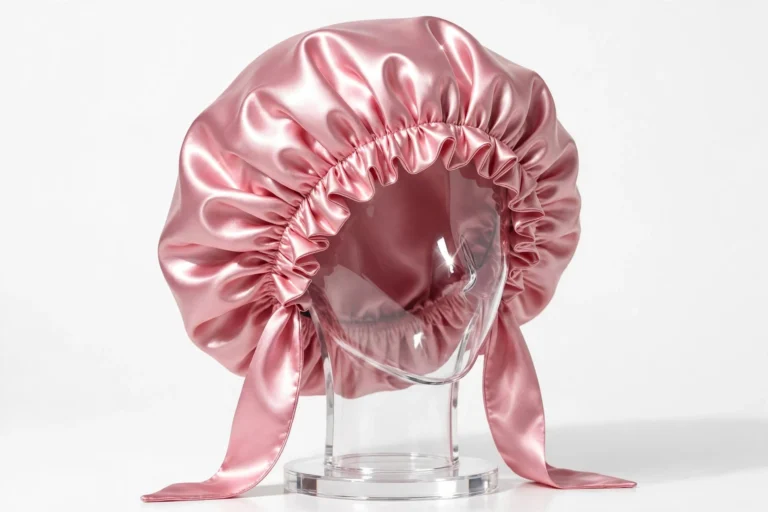
Yes, this is the strongest use case. Less friction means fewer tangles, less breakage, and better-preserved curl pattern overnight. Many curly-haired sleepers pair the pillowcase with a satin bonnet for full protection.
Satin or silk pillowcase, which is better?
“Satin” usually means polyester satin here. Silk wins on breathability and feel; polyester wins on price and durability. The friction benefit is close enough that budget should decide for most people.
How often should you wash a satin pillowcase?
Weekly, like any pillowcase. It sits against your face for eight hours a night.
Do satin pillowcases make you sweat?
Polyester satin can, because it does not breathe. If you sleep hot, choose silk satin or cotton sateen instead.
Why is my satin pillowcase pilling?
True satin rarely pills; pilling suggests a spun-fiber fabric (like sateen) or a low-quality knit sold as “satin.” Check the label.
Why trust this guide? It separates the one proven benefit (friction) from the marketing claims (wrinkles, acne, miracles) and names where evidence is thin. No pillowcase was sold in the making of this page.